Introduction: Your Wins Are a Budget, Not a Score
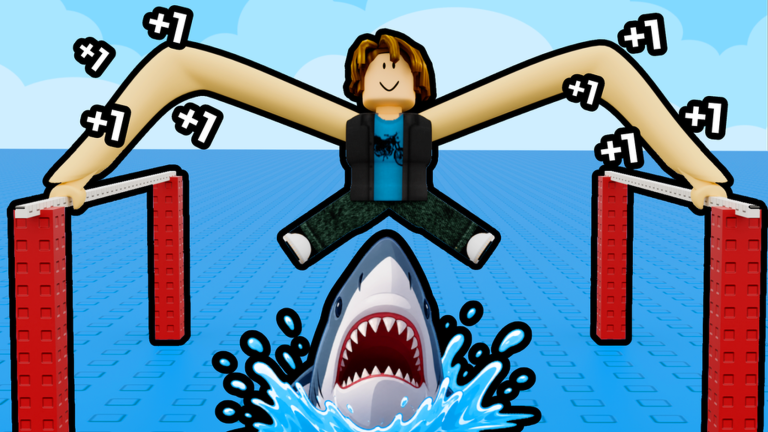
1 Long Arm Toy Escape! is a Roblox experience where you hold M1 and move your mouse to angle your arms, train Long, push through the toy factory, and escape to earn Wins. Those Wins then feed a visible upgrade system, and that is where the real economy lives. In October 2026 the fan-maintained planner and tier references give players a way to compare real upgrade multipliers instead of guessing, so this guide treats your account like a wallet: every purchase, every rebirth, and every stage run is either income or expense.
How the In-Game Economy Actually Works
The loop is simple: train Long, reach further, escape, earn Wins, improve visible upgrades, then decide whether to reset for rebirth recovery. Two upgrade families drive your output. The training bars are reported across nine tiers, x1 through x9, and the hands are reported from x1.25 up to x2.2. Both sit alongside a rebirth system that resets your arm length but returns permanent growth advantages, which is why the community planner asks you to enter your own observed gain rather than trusting a made-up number.
Because the fan wiki explicitly warns against invented requirements and fake prices, treat any upgrade list that shows exact Win costs without evidence as unverified. Your safest pricing source is what the game displays to you directly plus the reported multiplier bands above.
Best Ways to Farm Wins Efficiently
- Stage 1 as your income floor: Stage 1 is where most players leak time. The dedicated Stage 1 Troubleshooter separates insufficient reach from aiming, camera, and hazard-timing problems, so before buying anything, confirm that a failure is a reach problem. Reaching a gate you can already clear is free Wins with zero upgrade cost.
- Short training bursts between runs: Hold M1 and angle the mouse to train Long in measured sessions, then immediately convert that reach into an escape. Training that never converts into a run is unpaid time.
- World 1 Boss awareness: The World 1 Boss watch tracks what the official listing actually said about schedule and rewards. Until reward details are confirmed, do not budget Wins around an assumed boss payout.
- Repeat completed routes: Players have documented full clears of every stage and a complete World 1 run on video, which means repeatable routes exist. Memorize one clean path rather than improvising each attempt.
Trading and Market Timing: Where to Spend Wins
There is no player auction house here, so your trading happens against the upgrade vendor and against your own future self. The core decision is allocation between training bars and hands. Bars scale from x1 up to x9, a wide ceiling, while hands top out much lower at x2.2. That asymmetry argues for prioritizing bar tiers early, when each tier multiplies a larger share of your total output, and saving hands purchases for later, when raw reach is already high and the smaller multiplier still moves you past specific gates.
Timing matters as much as allocation. Enter your observed gain into the Long Target and Rebirth Planner, compare the estimated actions, runs, and multiplier savings, and only rebirth when the projected recovery beats your current growth curve. Rebirthing one run too early throws away reachable stage income; rebirthing one run too late means farming at a rate your multipliers have already outgrown.
Assets That Hold Value
Permanent rebirth multipliers are your only compounding asset, because arm length itself resets. Verified bar and hand multipliers are the next tier of value: they are stable, reported, and comparable across the tier list, so they remain useful references even after patches. Stage knowledge and route memory also appreciate, since a memorized shortcut keeps paying on every future run.
Common Scams and Pitfalls to Avoid
- Fake prices: Any tier list that invents Win costs is guessing. Compare multipliers, not fabricated numbers.
- Unverified links: Stick to the verified Roblox experience page and the creator group. Unverified Trello or Discord links are explicitly flagged as risk by the community wiki.
- Misdiagnosing failures: Buying an upgrade to fix an aiming or hazard-timing mistake wastes Wins. Confirm reach is the bottleneck first.
- Optimizing on unknowns: If boss schedules or reward details remain officially unconfirmed, do not build a spending plan around them.
Frequently Asked Questions
Q: Which upgrade gives more value in 1 Long Arm Toy Escape!, training bars or hands?
Reported values show training bars ranging from x1 to x9 while hands only reach x1.25 to x2.2, so bars offer the larger ceiling. Early on, pushing a bar tier usually moves your output more than a hand purchase, and hands work best as finishing boosts once your base reach is already strong.
Q: When should I rebirth instead of buying another upgrade?
Use the Long Target and Rebirth Planner with your own observed gain. If the projected multiplier savings from a rebirth outweigh the runs you would earn at your current rate, rebirth. If your growth curve is still climbing, spend Wins on upgrades and delay the reset.
Q: Why do I fail Stage 1 even after upgrading?
Because most Stage 1 failures are not reach problems. The Stage 1 Troubleshooter splits failures into insufficient reach, aiming, camera angle, and hazard timing. Fix the control issue first, since upgrading cannot correct a mistimed swing.
Conclusion
Economy mastery in 1 Long Arm Toy Escape! comes down to converting training into escapes, spending Wins where multipliers are largest, and rebirthing only when the planner math supports it. Keep verified multipliers as your reference, ignore invented prices and unverified links, and every run in October 2026 will push you closer to the next escape.
Active 1 Long Arm Toy Escape! Codes (October 2026)
No verified active codes are available right now for 1 Long Arm Toy Escape!.