100 Miles Down the River got its latest touch-up on November 21, 2026, according to the live Roblox experience page. There is no flashy trailer tied to this one, but the timing matters: the survival experience is still marked Active, sits at 9.4M+ visits and 59,955 favorites, and runs on a server size of 20. When a game that large keeps refining how it feels to paddle, steer, and shop for classes, the day to day experience quietly gets better for everyone still grinding toward the 100 mile mark.
Why These Quiet Quality of Life Changes Matter
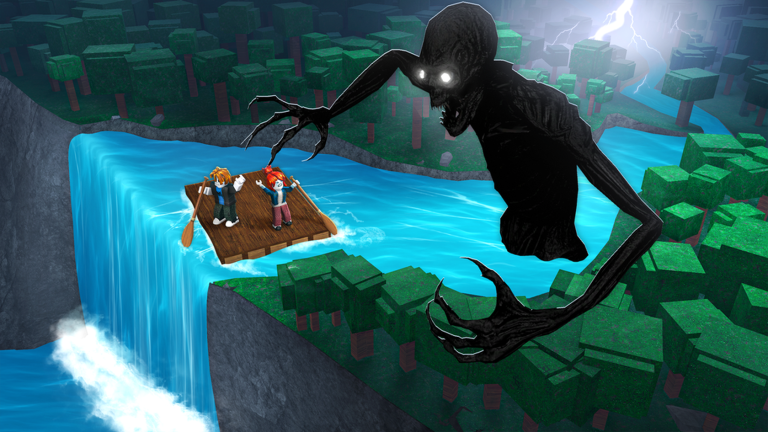
100 Miles Down the River is a survival and escape game where you spawn at a riverside, build a raft from timber, and travel 170 kilometers to reach the river's end. That structure means most of your playtime is spent doing the same loop: paddle during the day, reach a campsite before nightfall, repair, restock, repeat. Because the loop is repetitive, small friction points compound. A confusing steering response, an unclear class unlock path, or an awkward chest spawn can turn a long run into a frustrated quit.
The latest refresh targets exactly those friction points rather than bolting on a headline mode. For a game whose badge board shows the top achievement earned 1,724,003 times yesterday and 4,760,989 times ever, the difference between a smooth and a clunky run is felt by millions of sessions, not a handful.
Control Feel: The Inverted Steering Learning Curve
The most reported UX hurdle in community guides is steering. In the beginner breakdown published by Radex Tips on November 20, 2026, the creator spells it out: moving toward the left side of the raft steers you right, and moving toward the right side turns the raft left. That inverted response is intentional, but it reads as a bug to first timers.
The current build keeps that control scheme intact while giving players more ways to compensate for it. Radex also notes that paddling from behind the raft slightly increases travel speed, which gives experienced players a legitimate mechanical optimization for covering distance between campsites. Together, these two control quirks form the real skill ceiling of the game: learn the inversion, then learn to add speed from the rear stroke.
Class Shop Flow in the Lobby
The other half of the quality of life story is progression clarity. Classes provide different bonuses that influence play style and help you survive longer. They unlock in the lobby using Embers, the main in-game currency, which you earn by progressing through the journey and winning badges at the end of each run.
Sportskeeda's classes guide confirms that the Classes shop in the lobby now supports purchase, equip, and upgrade for the three currently obtainable classes: Lumberjack, Cook, and Medic. Each one grants stat boosts and starter tools. Having buying, equipping, and upgrading consolidated in one lobby panel removes the menu hunting that earlier sessions required, and it makes the Ember economy legible at a glance.
Bug Fixes and Pacing That Affect Daily Runs
Several fixes in the current build touch the parts of a run players hit every single session:
- Raft repair and engine hunting: Creator Default's November 20 playthrough highlights silver chests that can drop engines, alongside supplies like logs, fish, and Fisherman's Brew. Reliable chest contents matter because a raft that cannot be repaired stalls an entire 20 player server.
- Checkpoint pacing across biomes: Chrisu's November 25 survival guide points out that the second and last biomes let you clear up to four checkpoints quickly, and that the left side of the river is generally the faster line.
- Final stretch pressure: The gray zone and the last five miles remain the hardest section, where the river suddenly turns to night and dropping below 20 miles per hour can get you caught by the resident monster.
Accessibility and Session Settings
The experience page lists the content rating as Violence (Occasional/Mild), with Voice Chat: Not Supported and Camera: Not Supported. Keeping voice and camera off by default means the 20 player servers stay approachable for younger players and for anyone playing without a microphone, and it keeps the run focused on paddle coordination rather than social overhead.
Community Reaction
Creator coverage in late November skews positive but practical. Radex Tips frames the class system as a genuine hook, telling viewers to keep progressing toward the 100m mark so they can unlock additional classes. Chrisu positions his guide around one promise: that players will finally survive the full 100 miles, which implies the current difficulty still filters out sloppy runs. Default's run is more candid, calling the campsite loop rinse and repeat at times, a fair criticism of a survival game built on repetition. That mix, helpful class depth plus a repetitive campsite rhythm, is the consensus tone in community video coverage right now.
FAQ
Q: How does raft steering actually work in 100 Miles Down the River?
Steering is inverted relative to your position. Move toward the left side of the raft and it turns right, move toward the right side and it turns left. Paddling from behind the raft adds a small speed boost, which is useful for closing distance before nightfall.
Q: How many classes are available and how do I unlock them?
There are three obtainable classes: Lumberjack, Cook, and Medic. You purchase, equip, and upgrade them at the Classes shop in the lobby using Embers, earned by finishing runs and winning badges. Each class provides stat boosts and starter tools.
Q: What should I know before the last five miles?
The final stretch forces a night phase where the monster lives, and the water drops abruptly. Keeping your speed above 20 miles per hour is essential, because stopping or slowing down in that zone is how most runs end right at the finish line.
Conclusion
The November 21, 2026 update to 100 Miles Down the River is a comfort patch, not a content bomb. It smooths the steering learning curve, tightens the lobby class shop around Lumberjack, Cook, and Medic, and keeps checkpoint pacing generous in the later biomes. With 9.4M+ visits and badge counts climbing by over 1.7 million in a single day, the community is clearly still onboard. Learn the inverted paddle, bank your Embers for a class that fits your style, and keep your speed up through the gray zone.
Active 100 Miles Down the River Codes (November 2026)
2 verified codes available for 100 Miles Down the River.
| Code | Reward | State | Votes | Copy |
|---|---|---|---|---|
| 100 embers | OKNew | |||
| a starlight otter pet | OKNew |