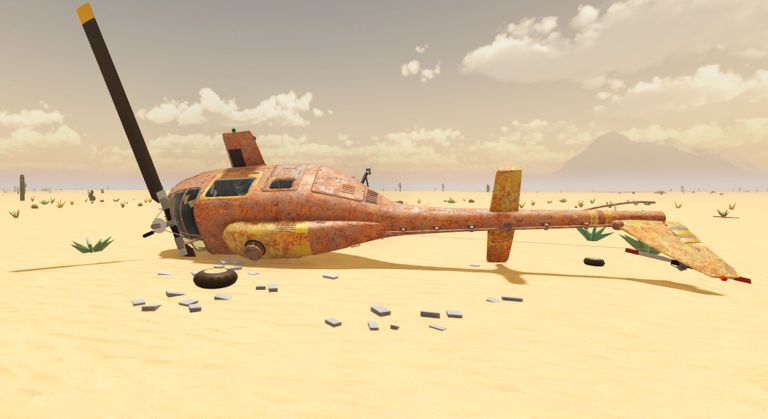
A Long Flight [EARLY ACCESS: What This Update Actually Changes
A Long Flight is still in early access, and October 2026 is shaping up as a patch focused on polish rather than a headline feature drop. The latest round of changes is less about new content and more about the quality of life and UX improvements that decide whether a long session stays enjoyable. For players waiting on an early access build, the path in is the early access interest form, which is how Meta routes enrolled testers toward new Quest features.
The rollout itself is staggered. Features tied to the Public Test Channel began appearing the week of May 4, 2026, and a second wave of enhancements started pushing the week of July 20th, 2026, gradually reaching Meta Quest 3, Meta Quest 3S, Meta Quest Pro, and Meta Quest 2 headsets. That timing matters for anyone judging stability on an older headset.
Why Quality of Life Updates Matter Without Headline Features
Early access games live or die on friction. A new map is exciting once; a crash in hour three is remembered every session. The current update leans into that logic. The release notes describe ongoing general enhancements for a smoother user experience, alongside bug fixes that have resolved various issues to enhance stability and performance. None of that reads flashy in a changelog, but it is the kind of work that removes the small irritations players hit every time they launch.
For a flight title where setup, navigation, and menu time sit between you and the runway, those tweaks compound quickly.
Interface Improvements You Will Notice First
The Navigator layer is where the interface work shows up most. The update lets you rearrange your apps to put your favorites first, and it adds folders so you can group them together. Getting into that mode is simple: long press any app in your Library to get started.
What this means in practice for A Long Flight sessions:
- You can pin the game to the front of your Library instead of hunting through a full list every time.
- Folders let you keep flight tools, social apps, and media in separate stacks, so the quick switch back into a session is one gesture.
- Long press as the entry point keeps the reorganization out of the way until you actually want it.
There are also Updates to VR Home in this cycle, which changes the space you land in before you launch the game. If your home scene is the first thing you see, even small layout and behavior changes there set the tone for the whole session.
Bug Fixes That Affect Daily Play
App Crash Recovery is the headline stability item here. A title in early access is exactly where crashes cost the most, because a lost session can mean lost progress or a reset of your in-flight setup. Recovery features give you a path back into the app instead of starting cold from the system menu.
Beyond that, the release notes list improvements and bug fixes covering general enhancements for a smoother user experience, with fixes aimed at stability and performance across the headset lineup. The gradual push across Meta Quest 3, 3S, Pro, and Quest 2 means not every player sees the same build at the same moment, so performance impressions will vary by device for a few weeks.
Accessibility and Ease of Access Additions
Two accessibility-adjacent items stand out in this update. First, the early access interest form gives a clear enrollment path instead of an open-ended waitlist mystery, which helps players know whether they are actually in the test group. Second, the folder and rearrange tools lower the interaction cost for anyone who struggles with dense menus: fewer items to scan, larger grouped targets, and a single long press to begin.
For players managing motion comfort, longer setup time before launch is its own accessibility issue. Anything that shortens the route from headset on to game running is a real quality of life win.
Player Sentiment on the Changes
Sentiment on this cycle is best read against expectations rather than hype. Early access players generally treat stability patches as necessary maintenance: welcome when they remove crashes and stutter, but rarely a reason to celebrate loudly. The staggered rollout across four Quest models is the point most likely to divide opinion, since Quest 2 owners may wait longer for the same fixes.
Without a specific forum or Reddit thread attached to this build, the honest read is cautious optimism. Players who filed the early access interest form are watching for crash recovery first, and interface polish second.
FAQ
Q: How do I get into the A Long Flight early access build?
You start with the early access interest form. That form is how Meta routes you toward early access and Public Test Channel features, and enrollment is what determines when the new enhancements reach your account.
Q: When are these updates rolling out to headsets?
One wave of features began the week of May 4, 2026 for Public Test Channel enrollees. A second wave of enhancements started the week of July 20th, 2026 and is being gradually pushed to Meta Quest 3, Meta Quest 3S, Meta Quest Pro, and Meta Quest 2.
Q: What interface changes will I notice right away?
You can rearrange your apps to put your favorites first and create folders to group them, starting with a long press on any app in your Library. Updates to VR Home also change the environment you see before launching the game.
Conclusion
The October 2026 cycle for A Long Flight [EARLY ACCESS] is a quiet one by design. App Crash Recovery, the Navigator folder and rearrange tools, updates to VR Home, and a steady stream of general bug fixes for stability and performance are the substance. For an early access title, that is the right priority: make the daily loop smoother, cut the crashes, and let the bigger content land on a foundation that holds. If you are enrolled, expect a gradual rollout across your Quest model and judge the build on how many sessions you can finish without a restart.
Active A Long Flight [EARLY ACCESS Codes (October 2026)
No verified active codes are available right now for A Long Flight [EARLY ACCESS.