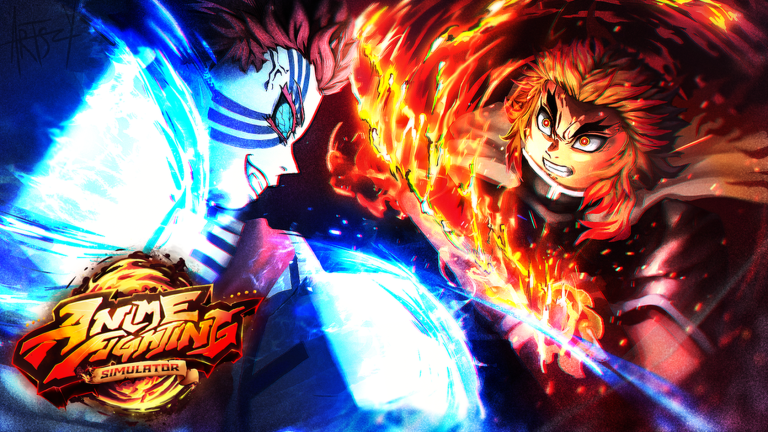
Anime Fighting Simulator stands as a long-running pillar within the Roblox RPG landscape, defined by its relentless training loops and anime-inspired progression. While the core gameplay of stat grinding and quest completion remains central, the true engine driving its sustained presence is not the code, but the community that surrounds it. This review assesses the game as it exists in September 2026, focusing specifically on the health and activity of its social ecosystem, from Discord servers to in-game interaction, and how this communal fabric impacts the overall experience.
Discord and Social Media Activity Level
The game's social heartbeat is most prominently felt outside of Roblox itself. Research from community trackers like Rock Paper Shotgun, Eurogamer, and Dexerto consistently points to a vibrant, active community centered around external platforms. The official Discord server is a primary hub, not just for announcements from developer Boss Studio, but for player-driven strategy discussion, trade coordination, and code sharing. This level of activity is a double-edged sword: it provides essential support and a sense of belonging for dedicated players, but it also creates a necessary companion experience that the game's own tools do not fully replicate. The constant updates on fan sites and gaming outlets about new codes and events, even when none are currently redeemable, demonstrate that community interest remains high, with players closely monitoring every potential development.
In-Game Social Features Quality
Within the Roblox client, Anime Fighting Simulator offers a more limited social suite. The primary interactions are asynchronous and functional. Players can see each other's stats and equipped traits in the shared world, and the champion slot system allows for showcasing progression milestones. However, direct cooperative play is minimal. There are no integrated guild systems, clan structures, or organized party mechanics for tackling content together. The chat serves as a basic communication tool, but it is often dominated by trade requests or global announcements rather than strategic cooperation. The social experience in-game is more about parallel grinding in a shared space than collaborative adventure, placing the burden of meaningful interaction onto external platforms.
Trading Economy Health
The trading economy is a complex, community-managed ecosystem that exists in a legal gray area. The game does not provide an official, secure trading system. Instead, all trades are conducted through the chat or via trust-based arrangements brokered on Discord. This leads to a decentralized but inherently risky market. The value of items like Trait Rerolls, Cursed Points, and high-tier resources fluctuates based on community consensus and scarcity, often influenced by the release of new codes. The health of this economy is entirely dependent on player trust and the moderation of external communities. While it facilitates engagement, the lack of in-game infrastructure makes it vulnerable to scams and price manipulation, requiring participants to exercise constant caution.
Toxicity and Moderation Issues
Moderation within the game appears to be a basic, filter-based system. Reports suggest that while outright offensive language may be caught, the chat can still become a venue for toxic behavior, including spam, solicitation, and heated arguments over trade values. The true moderation power resides with the moderators in the official Discord server, where rules are more explicitly enforced and community guidelines are clearer. The in-game experience, therefore, lacks a robust safety net. For younger or less experienced players, navigating the unmoderated trade offers and boastful chat can be an unwelcoming initial experience, making the external, moderated spaces feel essential rather than supplementary.
Content Creator Ecosystem
The game benefits from a persistent content creator presence. YouTube is populated with guides, code lists, and gameplay showcases. The very existence of videos detailing "all working codes" for specific months, even when the code slate is momentarily empty, indicates a dedicated audience. These creators serve as de facto community leaders and information brokers, explaining complex systems like trait rerolls, stat requirements for Dimension 3, and optimal grinding paths. Their work extends the game's visibility and provides accessible entry points for new players, forming a critical pillar of the social ecosystem that bridges the gap between developer updates and player understanding.
Is the Community Welcoming to Newcomers?
The community's welcoming nature is conditional. On platforms like Discord, veteran players often share detailed advice on stat allocation, trait builds, and the importance of patience in the grind. The culture values the shared struggle of progression. However, the steep learning curve and the immediate encounter with a massive, code-dependent economy can be daunting. Newcomers who bypass external resources may feel permanently behind. Those who engage with the community directly, however, will find a wealth of knowledge and often patient guidance. The community is welcoming to those who show initiative and respect its established norms, but it is not automatically accessible to passive players.
FAQ
Q: How does the code redemption system work in Anime Fighting Simulator, and where do new codes come from?
Once available, codes are entered via a dedicated in-game menu. They are typically released by the developer, Boss Studio, during major updates, milestones, or maintenance periods. The most reliable sources for these codes are the game's official Discord server and announcements on the game's Roblox page. Our live database tracks these releases, but at present, there are none to redeem for this title. When new codes drop, they will appear in the live list below.
Q: Why is there no trading system built into the game, and how does that affect the player experience?
The absence of a secure, in-game trading system is a significant design choice that pushes all item exchange into the hands of the community. This fosters a lively external market on platforms like Discord but creates major risks for players. It means every trade is based on trust, leading to potential scams and requiring players to use third-party verification. This system significantly shapes the social dynamic, forcing players to be more cautious and reliant on community reputation.
Q: What is the role of Trait Rerolls and how do they influence community interaction?
Trait Rerolls are a highly sought-after resource that allows players to re-roll their character's passive traits in hopes of obtaining more powerful bonuses. They are rare and often distributed through limited-time codes. Their scarcity and impact on power level make them a central focus of the trading economy and community discussion. Guides on optimal trait builds and the debate over whether to trade or hoard rerolls are constant topics, driving much of the strategic interaction between players.
Verdict
Anime Fighting Simulator in September 2026 is less a self-contained game and more a shared social project. Its in-game mechanics, while deep with multiple currencies and progression tracks like the Dimension 3 update and champion slots, are designed to be discussed, optimized, and supplemented by an active external community. The social ecosystem is its greatest strength and its most significant hurdle. For players who enjoy diving into Discord servers, following content creators, and navigating a trust-based economy, it offers a rich, engaging hobby. For those seeking a straightforward, solitary RPG experience, the pressure to engage externally and the lack of robust in-game social tools may prove discouraging. The grind is softened and made meaningful by the community, but that community demands participation on its own terms. The game thrives not despite its reliance on external codes and social platforms, but because of the dedicated culture that has grown around them.
Active Anime Fighting Simulator Codes (October 2026)
No verified active codes yet for Anime Fighting Simulator; 28 unverified codes are being tracked.