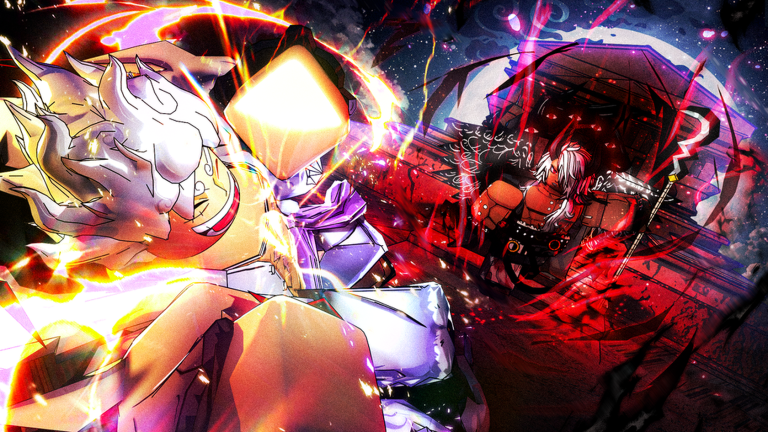
Anime RNG Defense is Roblox's mix of luck-driven rolling and classic tower defense, and the JJK (Jujutsu Kaisen) update has given the game a full renewal. You pull anime-inspired units, place them along enemy paths, and survive escalating waves to earn Crystals, Boxes, and progression items. What makes this game different from a standard tower defense is that the rolling layer and the defense layer are shared: everyone in a server pulls from the same pool of units, and a wave is cleared by the combined placement of every player on the map. That makes group play a real system to learn, not just a background detail. This guide covers the social and multiplayer side of Anime RNG Defense, how to find or form a group, how roles split across a map, and how code redemption fits into your account growth. One important note for September 2026: there are currently none to redeem, so the live list on this page is the place to watch as the developer drops new ones.
How Multiplayer Works in Anime RNG Defense
When you join a public server, you and the other players deploy units onto the same map and defend the same enemy path together. Each player has their own placement budget, upgrade queue, and Crystal income, but the wave outcome is collective. If a teammate leaves a choke point uncovered, your side of the lane suffers for it. If a teammate stacks an area-of-effect unit over a bend in the path, everyone benefits.
The JJK update raised the stakes on this design. New maps and enemies inspired by Jujutsu Kaisen arrive with different pathing and enemy types, and some of them punish lazy placement. Enemies with splash damage will happily shred a cluster of units that a solo player might have gotten away with, while curse-themed waves reward teams that layer multiple status effects at once. The Anime RNG Defense Trello board publishes the matchup tables, status effect definitions, and RNG pity timer details that explain exactly why a given wave is hard.
How to Find or Form a Group
The simplest route is the in-game server browser. Look for servers that already have three or four players in them, since a half-full defense is far easier to stabilize than an empty one. Beyond that, the official Trello board is the hub for community links, and the game's social channels and creator coverage of the JJK update are where pickup groups tend to form after a patch.
Before you join, check the Trello for the current unit stats and drop rates. A group where everyone understands which units are worth upgrading saves you from the common problem of a teammate burning Crystals on rolls while the map is falling apart. Fifteen minutes of reading pays for itself in the first wave.
Role Division and Team Composition
Even an informal group benefits from a loose division of labor. These are the roles that show up most often:
- Choke point holder. This player covers bends, tunnels, and spawn exits with area-of-effect units. Placement is everything here, so spread units out to avoid splash damage wipes.
- Boss and single-target specialist. High single-target damage units, such as Mythic Cleave/Dismantle, belong here. Bleed stacks from that unit shred high-health targets, so this player should be positioned where bosses linger rather than where fodder spawns.
- Summon and lane filler. Legendary units like Shadow Summoner spawn allied units that buy time on open stretches of path. They are excellent for filling gaps the rest of the team is not covering.
- Economy lead. One player focusing on upgrades and team slot expansion keeps the whole server scaling. A fully upgraded common unit can outperform an unupgraded Legendary in the early waves, so upgrade discipline beats roll spam every time.
You will rarely assign these roles out loud in a public server, but you can read them from what teammates place in the first minute and then fill whatever is missing.
Cooperative Mechanics Worth Knowing
Status effect stacking is the strongest cooperative mechanic in the game. When two players apply bleed or burn to the same target, the combined pressure removes bosses far faster than raw damage. Build a team around layered effects rather than a single hyper-carry, and coordinate so that different players cover different effects.
The pity system is the opposite kind of mechanic: it is personal. After a set number of rolls without a Mythic or Legendary, your odds improve, and that counter belongs to you alone. Playing in a group does not advance it. Track your own roll count on the Trello so you time big spending sessions instead of trickling Crystals away a few rolls at a time.
Solo Alternatives for Group Content
Not every session needs a team. The first maps are deliberately forgiving and are designed to teach wave management, and the starter units you receive are enough to clear those early stages on your own. Solo play is the fastest way to learn placement rules, upgrade priorities, and how enemies actually move before you rely on others.
Solo runs are also where you test team ideas. Experiment with a bleed-heavy loadout, then a summon-heavy one, then compare which holds a lane longer. Bring whatever survives to a group and your contribution rises immediately.
How Code Redemption Works
Codes are a free accelerator for new accounts, and the process is the same whenever a new one appears:
- Open the in-game menu and find the redemption button, usually shown as a gift icon.
- Type the code carefully, since entries are case-sensitive, and confirm it.
- Claim the reward, then decide immediately where it goes: Boxes for new units, or Crystals for rolls and upgrades.
- Check the live list on this page afterward, since redemption windows are short.
The developer releases codes to mark updates, milestones, and community events, which is why they cluster around patches like the JJK update. Codes expire because rewards are rotated on purpose, keeping old promotions from devaluing the roll economy. This page is monitored and updates the moment codes drop, and there are currently none to redeem.
FAQ
Q: Does playing in a group advance my RNG pity timer in Anime RNG Defense?
No. The pity counter tracks your own rolls only. Teammates pulling units do not move your odds, so keep a personal count and plan your big spending around it.
Q: Which units should a boss-focused player place in a JJK update wave?
High single-target damage units like Mythic Cleave/Dismantle are the pick, because their bleed stacks scale against high-health targets. Position them where bosses slow down rather than at the spawn door.
Q: Where do I look up unit stats, drop rates, and status effect rules?
The official Anime RNG Defense Trello board. It documents unit stats, drop rates, status effects, pity timers, and matchup tables for the JJK update, and it is the fastest way to avoid spending Crystals on a unit you did not need.
Conclusion
Group play is where Anime RNG Defense stops being a slot machine and starts being a strategy game. Read the Trello, fill the role your server is missing, stack status effects on purpose, and keep your pity count honest. If you are grinding solo, use the early maps to sharpen placement and upgrades before you join a heavier server. Check back here for code drops as they arrive, and build a defense that holds when the waves get ugly.
Active Anime RNG Defense Codes (October 2026)
No verified active codes yet for Anime RNG Defense; 30 unverified codes are being tracked.