Introduction: A Review Measured by Its Community
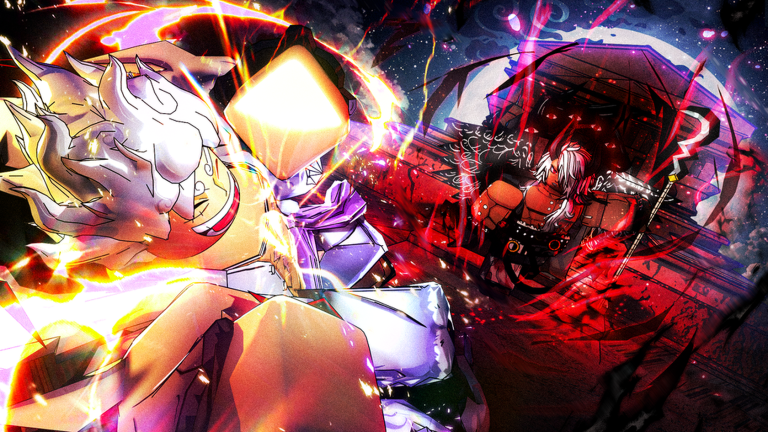
Anime RNG Defense, the anime themed tower defense built by BestBunny on Roblox, has quietly grown into one of the more durable entries in the genre. Independent code trackers put the game past 28.9 million visits and roughly 73,800 favorites, a loyalty signal that is hard to fake. This review deliberately looks past raw wave clearing and asks a different question: how healthy is the social world around the game? We are grading the Discord and social media activity level, the quality of in game social features, the health of the economy, moderation, the content creator ecosystem, and how newcomers are actually treated. The Jujutsu Kaisen update, which introduced units such as Mythic Cleave/Dismantle and the legendary Shadow Summoner, is the backdrop against which all of this plays out.
Discord and Social Media Activity Level
Discord is the nerve center of Anime RNG Defense. Channels are organized around update announcements, strategy talk, and support, and the server sits alongside an official Trello board that developers and dedicated community members maintain. That Trello is unusually substantive for a Roblox title: it carries unit stats, drop rates, RNG pity timers, status effect explanations, and a Game Mechanics column that spells out how systems actually function. Social reach extends well beyond Discord. A Threads post from the samloverblog account and consistent YouTube coverage of the JJK update both point to a multi platform presence that stays warm between patches rather than going silent the moment an event ends.
In-Game Social Features Quality
Inside the game itself, the social layer is thinner. Anime RNG Defense is cooperative by design, so you are matching with other players to defend maps against incoming waves, and success depends on placing units with complementary traits and covering each other's weak lanes. That creates organic coordination, but the game leans on external channels for the deeper conversations about team composition and roll planning. In practice this means the social features are functional rather than rich: you get reliable co op play, and the theorycrafting happens on Discord and Trello. Players who want in game clan systems, messaging, or ranked ladders will not find them here.
Trading Economy Health
There is no player to player trading for units or items. Progression runs entirely through your own account: you roll characters, level them with Talent Scrolls, and bank Crystals, Luck Potions, Super Luck Potions, Money Potions, and Universe Luck boosts earned through play or through periodic code drops. The upside is that the economy stays developer controlled, so there is no black market, no price manipulation, and no pressure to trade down into a scam. The downside is that social exchange is limited to shared runs instead of transactions. The economy is stable and low friction, but it offers little for players who treat trading as a core part of the fun. One caveat worth stating plainly: there are currently none to redeem, so no rewards can be claimed through codes for Anime RNG Defense at this moment. This page is monitored and updates the moment codes drop.
Toxicity and Moderation Issues
The evidence points to a moderated environment rather than a chaotic one. The Trello board and Discord are actively curated, which gives players a structured place to raise problems instead of shouting into a void, and the cooperative format removes the zero sum friction that breeds hostility in PvP games. Nothing in the research surfaced any pattern of serious toxicity. As with any live service Roblox title, isolated friction will happen, but the presence of maintained official channels gives the community a clear reporting path.
Content Creator Ecosystem
Creators are doing heavy lifting here. YouTube videos covering the JJK update ran through July 2026, and independent guides from GameRant in August and TechWiser as recently as late September 2026 keep search traffic flowing to the game. Blogs like Earnaldo maintain daily checked pages for the game's reward drops. This density of coverage matters for retention: new players discover the game through creator content, then migrate to Discord and Trello for the long haul. The creator ecosystem is one of the healthiest parts of Anime RNG Defense.
Is the Community Welcoming to Newcomers?
Yes, with a caveat. The Trello board explains core mechanics, pity guarantees on rolls, unit rankings, and placement basics in plain terms, which shortens the learning curve considerably. Discord members answer questions openly. The caveat is the grind: Mythic tier units like Cleave/Dismantle require patience, and free players will feel the wall before the pity system kicks in. Free players can soften that with earned potions and scrolls, but anyone expecting instant top tier rosters should temper expectations.
Strengths and Weaknesses
- Strength: a maintained Trello with real drop rate and pity data
- Strength: consistent creator coverage across YouTube, Threads, and guide sites
- Strength: stable, scam free economy with no trading manipulation
- Weakness: shallow in game social tooling for coordination
- Weakness: slow early progression for free players
- Weakness: code cadence is irregular and rewards expire quickly
Q: Does Anime RNG Defense have a player trading system?
No. Units and items are bound to your own account, and progression comes from rolling, leveling with Talent Scrolls, and spending Crystals. There is no marketplace and no player driven pricing.
Q: Where does BestBunny release Anime RNG Defense codes?
Codes are announced through the game's official Discord and Trello board, and creators mirror them on YouTube and Threads. There are currently none to redeem, and when new ones arrive they will appear in the live list below.
Q: What does the Trello board actually tell you about unit pulls?
It documents drop rates, RNG pity timers, unit stats, traits, and status effects, so you can see exactly how close you are to a guaranteed Mythic and which units are worth building first.
Verdict
Anime RNG Defense is best for solo friendly players who enjoy roll based progression, want transparent data on drop rates, and are happy doing their theorycrafting on Discord and Trello rather than inside the game. It is a weaker fit for players who want trading, competitive ladders, or rich in game social systems. The JJK update gave the community a genuine reason to regroup, the moderation structure holds up, and the creator pipeline keeps the game visible. The progression pace for free players is the honest weak point. On balance, the social ecosystem is strong enough that the game remains worth your time in September 2026.
Active Anime RNG Defense Codes (October 2026)
No verified active codes yet for Anime RNG Defense; 30 unverified codes are being tracked.