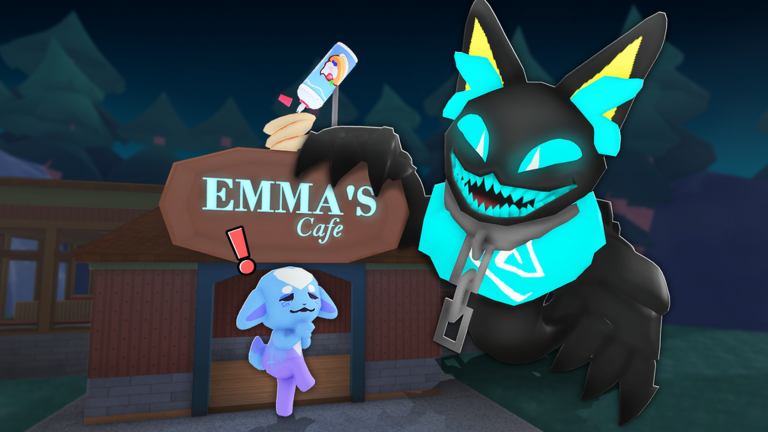
Anomaly Cafe is a co-op mascot horror survival experience set inside Emma's Cafe, where up to 24 players take customer orders, run cafe jobs, and keep the floor alive while anomalies appear without warning. The build is still in alpha, and the team aims for updates roughly every two weeks, treating that cadence as guidance rather than a fixed calendar. That cadence matters for this guide: every couple of weeks the job list, recipes, and anomaly pool can shift, which is exactly why resource management in Anomaly Cafe is a group skill and not a solo scoreboard. This article breaks down the multiplayer and social side of the game, from how lobbies are built to how stations, upkeep roles, and recipes are divided during a live shift. Codes also feed into long-term play, since the developer attaches them to alpha milestones and community events. There are currently none to redeem, so no rewards can be claimed yet for Anomaly Cafe, and this page is monitored and updates the moment codes drop so the live list fills in as soon as something publishes.
How the Social Layer of Emma's Cafe Works
The core social unit in Anomaly Cafe is the shift itself. A lobby can hold 24 players, and every player occupies a service role at the same time, so the cafe either functions as a coordinated floor or falls apart as a queue of failed orders. Independent coverage describes the game as a co-op cafe horror survival title built around four overlapping systems: serving customers, cafe jobs such as cooking and daily duties, anomaly awareness, and team strategy covering items, equipment, and shared survival tactics. There is also documentation for shifts, which is how pressure builds across a run, plus separate game mode and difficulty listings, so players are not all facing an identical floor setup.
The resource pool that matters is not currency first, it is attention and coverage. Orders stack up, stations need milk and espresso for drink recipes, blending equipment needs to be free for milkshakes, and maintenance tasks need hands before a small fault turns into a service halt. When a group spreads those jobs across the lobby instead of clustering on one counter, the cafe survives far longer.
Finding and Forming a Group
Because the experience is alpha, most groups form informally rather than through a ranked matchmaking tool. The practical routes are:
- Joining a public 24-player lobby and reading what the floor already covers before picking an open station.
- Playing with friends in a private lobby so roles can be assigned before the first order lands, which is the fastest way to practice full service cycles without queue chaos.
- Using the developer community and creator-owned sources linked from the official experience page to coordinate group sessions and check which build is currently live.
- Watching recorded shifts from the community to see how experienced groups pace service, then replicating that pacing in your own lobby.
The independent wikis consistently advise rechecking the current build whenever an anomaly or objective changes, and that applies to group play too. A roster that worked last update may be missing a new job or a reworked anomaly entirely.
Role Division and Team Composition
Strong Anomaly Cafe lobbies split into three job clusters rather than letting everyone serve:
- Front of house: order intake, drink recipes, and delivery. This cluster owns the latte brewing station, where milk and espresso handling decides whether a drink comes out correctly the first time, and the blender for milkshakes.
- Back of house and maintenance: visible maintenance tasks, protecting stations and routes, assigning upkeep, and recovering the cafe after an interruption.
- Anomaly watch: players who keep a baseline of the room, compare views, and confirm cues such as flickering lights, off details, and environmental changes before calling a real event instead of a false alarm.
Composition tip: never put your only anomaly reader on a high-touch station. The moment they are buried in an order queue, the floor loses its early warning system. Rotate a second player into watch duty so coverage survives mistakes.
Cooperative Mechanics and Shared Resources
There is no documented trading system between players, so cooperation happens through shared physical resources instead. Equipment such as brewing stations, blenders, and prep counters is limited and must be claimed openly. Routes between counter and table need to stay clear so delivery does not collide with an escape path during an event. The standard recovery pattern used by experienced groups is to pause service, follow live danger feedback, keep routes open, coordinate who moves, then restart the floor in a known order rather than a scramble.
Recipe knowledge is the other shared resource. Learning the full recipe set, including the latte and the milkshake with their specific ingredient and blending steps, removes the most common source of internal friction, because failed items eat time that the group needs for anomaly response.
Solo Alternatives When You Queue Alone
Solo players can still contribute in a 24-player lobby by picking self-contained jobs. Maintenance tasks, route clearing, and anomaly watching are all doable alone because they rely on observation rather than handoffs. Solo players should also master one recipe line completely instead of spreading across every drink, and keep a mental list of observed anomaly cues so they can flag events without needing a teammate to confirm. If the lobby already has a full front of house, slot into back of house and treat every shift as a coverage exercise.
Q: How many players can work a shift in Anomaly Cafe?
Anomaly Cafe supports up to 24 players in a single lobby, and the entire group shares the same Emma's Cafe floor at the same time.
Q: Which recipes should a new group learn first?
Start with the latte, which requires correct milk and espresso handling at the brewing station, and the milkshake, which needs a specific blending sequence. Both appear frequently in customer orders.
Q: Does Anomaly Cafe have a trading system for items?
No trading system is documented. Cooperation happens through shared stations, equipment, clear routes, and assigned upkeep roles rather than player-to-player trades.
Conclusion
Anomaly Cafe rewards groups that treat Emma's Cafe as a system of stations, routes, and watch duties instead of a pile of individual orders. Split your 24-player lobby into front of house, maintenance, and anomaly watch, keep brewing and blending equipment claimed openly, and recheck the current alpha build whenever an update lands. Play the official experience, coordinate with your friends, and check back here for code status, since this page updates the moment new ones release.
Active Anomaly Cafe Codes (November 2026)
No verified active codes yet for Anomaly Cafe; 6 unverified codes are being tracked.
| Code | Reward | State | Votes | Copy |
|---|---|---|---|---|
| 200 Bells | Check | |||
| 444 Bells | Check | |||
| 300 Bells | Check | |||
| Ghostly King Skin | Check | |||
| Check | ||||
| Check |