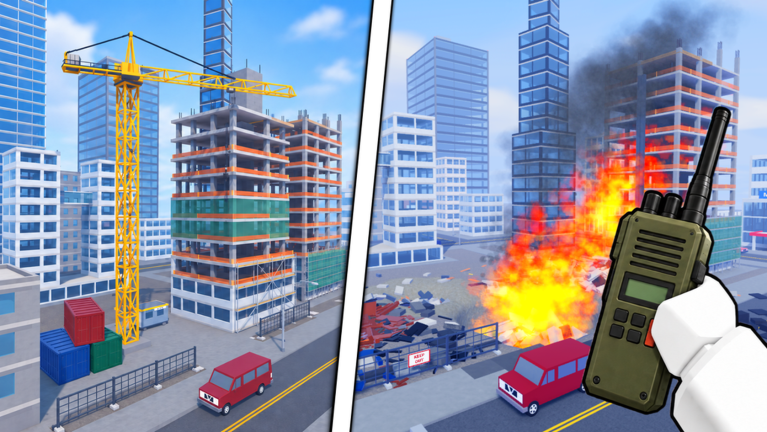
Blow Up The City: A Phenomenon of Destruction and Milestones
In the ever-evolving world of Roblox, games that blend chaos and strategy often capture the imagination of millions. One such title, Blow Up The City, has recently become a focal point for players obsessed with achieving record-breaking feats. As we dive into September 2026, the community is abuzz with discussions about player milestones and server records that could redefine the game's landscape. This article explores the current state of these achievements, why they matter, and what they signal for the future of this explosive Roblox experience.
Unpacking the Milestone Fever in Blow Up The City
While official announcements are still pending, player-driven milestones have taken center stage in Blow Up The City. The game's core mechanic revolves around destroying urban environments using a variety of tools and strategies, and players have been pushing the boundaries of what's possible. For instance, community forums and social media threads highlight unofficial records such as the highest number of structures destroyed in a single session or the fastest completion of city-wide demolition challenges. These milestones, though not yet verified by developers, showcase the intense engagement and competitive spirit within the player base. In September 2026, the anticipation for an official leaderboard or recognition system has never been higher, as players eagerly await validation for their efforts.
The concept of server records adds another layer to this excitement. In multiplayer modes, players can collaborate or compete to achieve collective goals, such as total destruction across a shared map. Anecdotes from gaming sessions suggest that top servers have managed to clear over 90 percent of a city's infrastructure in record time, a feat that would typically require coordinated teamwork and optimized gameplay. This trend underscores how Blow Up The City fosters a sense of community achievement, where individual efforts contribute to larger, server-wide accomplishments. As September progresses, players are not just playing for fun; they are striving to etch their names into the game's unofficial history books.
The Growth Trajectory: From Niche Game to Milestone Magnet
Blow Up The City's rise in popularity can be traced back to its unique premise and regular updates that keep the gameplay fresh. Initially launched as a simple destruction simulator, it has evolved with new maps, tools, and events that encourage players to set and break records. Over the past year, the game has seen a steady increase in active players, driven by viral moments and community challenges. In September 2026, this growth is evident in the number of concurrent users participating in milestone-focused activities. Developers have hinted at tracking player engagement metrics, which could lead to in-game rewards or events tied to these metrics. The focus on milestones reflects a broader trend in Roblox games, where player achievements serve as benchmarks for success and catalysts for further development.
This growth trajectory is not just about numbers; it's about the depth of player involvement. Players are now experimenting with advanced techniques, such as timing explosions for maximum damage or utilizing rare items to enhance destruction capabilities. These strategies are shared through tutorials and streams, creating a knowledge ecosystem that propels the community forward. As milestones become more challenging, the game's appeal broadens, attracting both casual players and dedicated gamers seeking to master the art of demolition. In this context, server records act as milestones that measure not only individual skill but also the health and vibrancy of the game's community.
Developer Response and Community Engagement
Although specific developer announcements regarding player milestones in Blow Up The City are not yet available, the development team has a history of acknowledging community efforts. In past updates, they have introduced limited-time events that reward players for reaching collective goals, such as total destruction points accumulated across all servers. This approach fosters a collaborative environment where players feel valued for their contributions. In September 2026, the community is optimistic that similar recognition will be extended to server records and milestone achievements. Developer posts on social media platforms have been subtle, with hints about upcoming features that could highlight top performers or introduce new leaderboards.
The potential for rewards is a significant motivator. Players speculate that hitting certain milestones might unlock exclusive items, badges, or even early access to new content. This speculation fuels further engagement, as players grind to achieve these records in hopes of gaining an edge. Moreover, the developer's responsive design philosophy, where updates are influenced by player feedback, means that milestones could shape future game mechanics. For example, if server records show a preference for large-scale destruction, developers might introduce more expansive maps or powerful tools to cater to this playstyle. This symbiotic relationship between players and creators is a hallmark of successful Roblox games, and Blow Up The City is no exception.
What Player Milestones Signal for the Game's Future
The emphasis on milestones and records in Blow Up The City is more than just a passing trend; it indicates a strategic direction for the game's evolution. As players strive for higher achievements, developers are likely to design content that challenges and rewards these efforts. This could lead to the introduction of new game modes, such as timed destruction races or team-based competitions where server records are officially tracked. In September 2026, the focus on milestones suggests that Blow Up The City is moving towards a more competitive and community-driven model, which could enhance its longevity and appeal.
Furthermore, milestones often serve as a barometer for player satisfaction. High engagement in setting records implies that the core gameplay is compelling and that players are invested in the long-term success of the game. This data, even if informal, can guide developers in prioritizing features that align with player interests. For instance, if players are obsessed with achieving the highest destruction score in a single session, developers might refine physics engines or add new destruction tools to make these feats more attainable yet challenging. In essence, milestones are not just endpoints; they are stepping stones that shape the game's roadmap and keep the community excited for what's next.
Comparing Blow Up The City to Similar Roblox Titles
In the crowded Roblox marketplace, Blow Up The City stands out for its focus on destructive creativity, but it shares similarities with other games that emphasize player milestones. Titles like City Destroyer and Urban Chaos Simulator also feature destruction mechanics and competitive elements. However, Blow Up The City differentiates itself through its emphasis on server-wide records and community events, which foster a stronger sense of collaboration. While some games prioritize individual high scores, Blow Up The City's milestone system encourages players to work together, making achievements feel more collective and rewarding.
Another point of comparison is the developer's approach to updates. Unlike games that focus solely on cosmetic changes, Blow Up The City integrates milestone-driven content, ensuring that player achievements directly influence game development. This strategy is similar to successful titles like Build to Survive, where community milestones unlock new features. In September 2026, this model positions Blow Up The City as a leader in player-centric game design, setting a benchmark for other Roblox games to follow. By prioritizing milestones, the game not only retains its existing player base but also attracts newcomers looking for a dynamic and engaging experience.
Frequently Asked Questions
Q: What are the current unofficial server records in Blow Up The City as of September 2026?
A: While no official records have been announced, community discussions indicate that top servers have achieved destruction rates exceeding 90 percent of city structures in single sessions, with players sharing clips and stats on forums to validate these claims.
Q: How do player milestones affect gameplay updates in Blow Up The City?
A: Player milestones often influence developer decisions, as high engagement in certain achievements can lead to the introduction of new tools, maps, or events tailored to community preferences, though specific details for September 2026 updates are yet to be confirmed.
Q: Are there any planned community events tied to server records in Blow Up The City?
A: Developers have hinted at upcoming events that may recognize server-wide achievements, such as special destruction challenges or limited-time modes, but official announcements are pending as of September 2026.
Conclusion: The Unstoppable Momentum of Player Milestones
As September 2026 unfolds, Blow Up The City continues to captivate players with its blend of destruction and community-driven milestones. The focus on server records and player achievements is more than just a gaming trend; it reflects a deeper connection between the game and its audience. While official confirmations are awaited, the grassroots movement of tracking and celebrating milestones demonstrates the passion and dedication within the community. For players, every explosion and every record broken is a step towards shaping the future of this beloved Roblox title. Stay tuned for more updates, as the journey of Blow Up The City is far from over, and the best milestones are yet to come.
Active Blow Up The City Codes (September 2026)
No verified active codes are available right now for Blow Up The City.