The Meta Shakeup Nobody Saw Coming
Bug Evolution, the survival growth simulator from Corgi Crew that officially launched on Roblox on October 9, 2026, has stacked up ten million visits in under three weeks and completely rewritten how competitive players approach the early and mid game. In this meta shift analysis we look at what the leveling meta looked like before Bug Evolution exploded, which mechanics now decide who reaches the Cave Area first, and which strategies are quietly dying in the process.
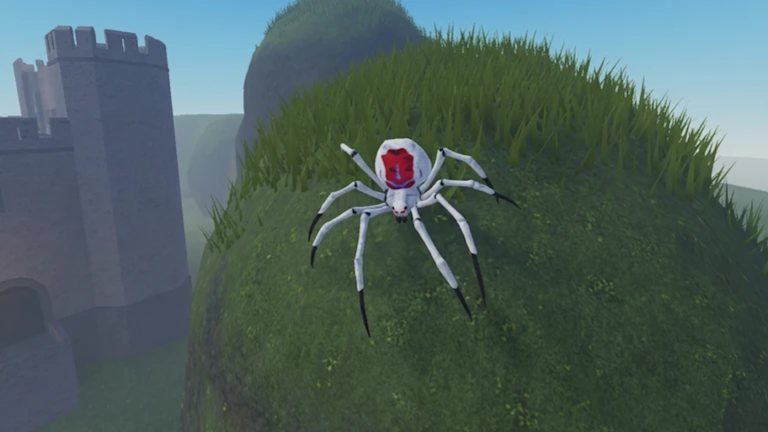
The core loop is simple on paper: you hatch as a helpless spider, vacuum up glowing XP orbs, finish quests, and evolve along a branching Bug Tree that spans 37 unique insect forms across 7 tiers. What is not simple is the fact that a huge chunk of the player base is still stuck spinning their legs at Level 5 while a Level 60 dragonfly farms them for sport. That gap between the informed and the uninformed is exactly where the meta shifted.
What The Meta Looked Like Before
At launch, most new players did the same thing. They picked a grounded starter bug, wandered into the first open field, grabbed whatever orbs were within reach, and fought anything that looked at them. The unofficial rule of thumb was simple: bigger is better, so players rushed toward the heaviest forms on the Bug Tree as fast as possible.
That instinct turned out to be a trap. Size in Bug Evolution carries a movement penalty that catches new players completely off guard. A heavy form that cannot disengage gets swarmed, loses resources and XP to aggressive players, and gets dragged right back to the bottom of the biome it came from. The old meta rewarded raw size, and it punished almost everyone who followed it.
The Numbers Behind The New Leveling Route
The modern leveling route is built around three hard milestones and one upgrade priority:
- Level 20: farm glowing XP orbs in the Sunny Meadow, the starter biome designed for fresh spawns.
- Level 40: move to the Sand Area and eat sugar blocks, which fund the mid game far faster than orbs alone.
- Level 60: grind the Cave Area, where the biggest XP returns and the most dangerous rivals live.
Alongside those gates sits the single most influential build decision in the current patch: Bite Speed upgrades first at every level milestone. Players who dump early points elsewhere consistently fall behind, because faster bites mean faster orb and food throughput, which means hitting the next biome gate before the surrounding players do.
Starting bug choice compounds the effect. Flying bugs such as the Horsefly dominate the opening stretch, because flight neutralizes the size penalty that wrecks grounded starters and lets you escape disengagements aerially. Grounded picks that once felt viable now stall out around Level 20 and bleed XP every time a stronger flyer drops in.
Winners And Losers In The Current Patch
Winners: flyer-first accounts with Bite Speed focused upgrade paths, private server grinders who avoid PvP interruptions, and quest completers who stack HUD objectives while they farm. The active HUD quest board, which rotates tasks like eating a set number of beetles or using abilities a set number of times, effectively doubles your XP rate if you clear it passively during normal farming.
Losers: size-rushing builds, grounded starters that cannot disengage, and public server players who lose resources to griefing far more often than they gain them. The inability to escape aerially is now the single most cited reason mid game accounts stall.
Adaptation Tips For Competitive Players
- Spin up a free private server before your first grind session. The XP you keep is XP you would otherwise hand to griefers.
- Pick a flyer like the Horsefly for the Level 1 to 20 stretch in Sunny Meadow.
- Spend every milestone point on Bite Speed before touching defense or size.
- Route your farm to match the gates: orbs to 20, sugar blocks in the Sand Area to 40, Cave Area grinding to 60.
- Keep the HUD quest panel active and clear objectives as they appear rather than ignoring them.
Community Tier List Reactions
The independent coverage of Bug Evolution has converged hard on this route. The April 2026 dated guide from Aprasi, updated November 2, 2026, openly frames its entire leveling section around the private server, flyer pick, biome order, and Bite Speed-first priority, and calls out size penalties and griefing as the two biggest traps new players hit. Video creators covering the game have pushed the same package for weeks, with guide uploads focused explicitly on best upgrades, money fast routes, and tips and tricks rather than on raw size progression. That alignment across an independent written guide and multiple video creators is a strong signal that the community tier list has settled: flyers over grounders, Bite Speed over tank stats, and biome sequencing over random grinding.
FAQ
Q: When did Bug Evolution launch on Roblox and how fast did it grow?
Bug Evolution was officially launched on Roblox on October 9, 2026 by developer Corgi Crew, and it reached ten million visits in under three weeks.
Q: What level gates should I hit in order in Bug Evolution?
Farm glowing XP orbs in Sunny Meadow to Level 20, eat sugar blocks in the Sand Area to Level 40, then grind the Cave Area to Level 60.
Q: Which upgrade should I prioritize first at every level milestone?
Bite Speed upgrades come first at every milestone, because faster bites speed up orb and food collection and let you reach the next biome gate earlier.
Q: Why do grounded bug picks fall behind in the current meta?
Size carries a movement penalty, and grounded forms cannot disengage aerially, so they lose resources and XP to flyers and griefing players far more often.
Conclusion
The Bug Evolution meta has shifted decisively away from size and toward speed, flight, and disciplined biome sequencing. Pick a flyer, lock in Bite Speed at every milestone, clear your HUD quests while you farm, and follow the Sunny Meadow to Sand Area to Cave Area route and you will be the Level 60 dragonfly farming everyone else instead of the spider stuck at Level 5. Keep watching this space as the Bug Tree and its 37 forms continue to evolve through November 2026.
Active Bug Evolution Codes (November 2026)
No verified active codes are available right now for Bug Evolution.