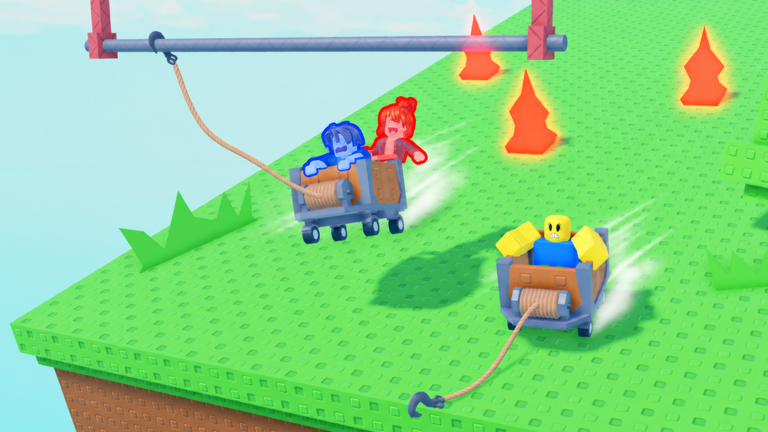
Can You Actually Play Dig For Eggs Without Spending?
Dig For Eggs is a Roblox digging simulator built around one very simple loop: dig down through layers, pull out eggs, hatch those eggs into pets, then reinvest what you earn into better shovels so you can dig deeper and reach rarer egg tiers. It is a tidy fantasy, and the question that matters for most players in October 2026 is whether that loop stays honest when your wallet stays closed.
This review looks at Dig For Eggs strictly as a free-to-play proposition. We are judging the real feel of the progression, where the friction sits, whether the monetization leans on power or on cosmetics, and who gets the most out of the game. The verdict at the end is blunt, but the analysis along the way is grounded in the systems the game actually exposes: shovel upgrades, egg tiers, hatching mechanics, dig routes, and the ongoing codes page that the community wiki maintains.
The Monetization Model in Plain Terms
Like most digging and simulator titles on the platform, Dig For Eggs sells speed and convenience rather than unique content. Nothing in the current documentation suggests that premium currency buys you access to exclusive dig zones or exclusive egg species that free players can never touch. Instead, the pressure points are familiar ones: shovel tiers determine how efficiently you work through a dig route, and hatching speed determines how quickly you convert eggs into pets that boost your output.
That is a reasonably fair shape for a free-to-play game. It means the store competes with your patience rather than with a locked door. A paying player gets to the deeper layers sooner. A free player gets there eventually, provided they pick an efficient route and understand the egg tier data.
What Free Players Get, and Where the Friction Sits
The core of Dig For Eggs is fully open. Digging, egg collection, pet hatching, shovel upgrades, and the layered dig zones all work on earned currency. The beginner walkthrough material for the game covers digging basics, egg tiers, and fast farming tips without ever implying that a purchase is a prerequisite for progress.
The friction instead comes from sequencing. Early shovels chew through shallow layers quickly, but the returns thin out fast. You then face the classic simulator decision: save for the next shovel tier, or spend on hatching to improve your per-run yield. Getting that order wrong is what makes free progression feel stalled, and it is the single most common reason players bounce off games in this genre.
Grind Wall Analysis: Where Free Progression Slogs
The grind wall in Dig For Eggs is not a wall so much as a slope. Dig routes that circle dino-style dig spots are clearly the efficient path, and the guide material even offers a DIY early farm plan for players who want to build a repeatable loop from the start. That is a good sign: the game rewards route knowledge, not just spending.
The weaker spot is the mid-game. Once you have the basic route down, each shovel tier costs meaningfully more than the last while the visual payoff for the run stays roughly the same. Hatching pets is where variance enters, and variance is exactly what makes a free player feel stuck when the rare egg they need refuses to drop. Players who enjoy optimizing will find depth here. Players who want steady, visible weekly progress may find the middle stretch repetitive.
Cosmetic Versus Power Purchases
The fairness question comes down to this: does Dig For Eggs sell power, or does it sell cosmetics? The evidence available points toward convenience and progression acceleration being the real offer, with the shovel and hatching systems acting as the natural places where that acceleration lands. There is no sign of a separate cosmetic layer being the primary draw, which is a mild weakness. A game that offered more visual self-expression would give free players something to chase that paying players cannot buy outright.
On the positive side, the game does not appear to gate rarity itself behind a paywall. The egg rarity chart and hatching mechanics are open systems that every player reads the same way. That keeps the outcome a matter of luck and route efficiency, which is a far healthier model than buying the rare tier directly.
Codes as Free-to-Play Support
Codes are the standard pressure release valve in Roblox simulators, and Dig For Eggs is no exception. The developer releases codes periodically, usually tied to milestones or update moments, and players redeem them through the in-game prompt for a quick injection of resources that shortens the early grind.
Right now there are none to redeem for Dig For Eggs. No rewards can be claimed yet, and this page is monitored so it updates the moment codes drop. When new codes are released, they will appear in the live list automatically, so there is no need to hunt across forums. Codes do expire, typically when a major update lands, which is why community pages track expiry notes so closely.
How Dig For Eggs Compares to Genre Norms
The digging simulator space is crowded, and most entries differ only in theme. Dig For Eggs separates itself with a layered digging structure that has real depth data behind it, plus a pet hatching layer that gives the eggs a purpose beyond collection. Route planning matters, shovel tiers create genuine upgrade decisions, and the hatching loop keeps each dig run feeling consequential.
Compared with genre peers, the update cadence and guide support are solid. The presence of dedicated walkthroughs for dig kits, dino routes, and beginner toys suggests the developer is investing in onboarding rather than abandoning new players to figure it out alone. That matters enormously for free-to-play retention, because the first ten minutes decide whether a non-spending player stays.
Frequently Asked Questions
Q: Can free players actually reach the rare egg tiers in Dig For Eggs?
Yes. Egg rarity and hatching mechanics are open to everyone, and efficient dino-style dig routes let free players work toward rare hatches through repetition and route knowledge rather than purchases. The bottleneck is time and luck, not access.
Q: Do shovel upgrades in Dig For Eggs feel mandatory to buy with Robux?
No. Shovel tiers are progression milestones earned through play. Paying accelerates the climb, but the upgrade path itself is available to every player, and the early tiers are reachable within a normal session.
Q: Are there any Dig For Eggs codes to redeem right now?
There are currently none to redeem. This page is monitored and updates the moment codes drop, and any new release will appear in the live list automatically. Codes do expire, often after an update, so redemption windows can be short.
The Verdict
Dig For Eggs is genuinely playable without spending, and it is fairer than most digging simulators in its class. The entire loop, from digging layers to hatching pets to buying the next shovel tier, runs on earned currency. Route knowledge and egg tier data meaningfully change your output, which gives free players real agency instead of a wall.
The weaknesses are real but not fatal. The mid-game grind flattens out, variance in hatching can make progress feel streaky, and the lack of a strong cosmetic layer means the game leans on acceleration as its main sell. Players who enjoy route optimization, pet collection, and incremental shovel upgrades will get a lot out of it. Players who expect rapid, guaranteed weekly advancement should go in with their expectations tuned down.
Best for: patient simulator fans who like planning dig routes and watching a hatching collection fill out. Not ideal for: players who want visible progress every session without optimizing.
Active Dig For Eggs Codes (October 2026)
No verified active codes are available right now for Dig For Eggs.