Free-to-Play Viability and Monetization Fairness
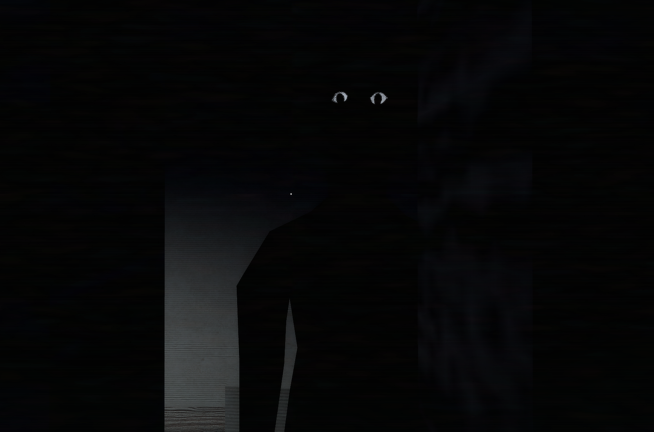
DON'T LET HIM IN is built on a deceptively simple premise that the title spells out: something wants through the door, and your job is to make sure it does not get in. That single idea drives the whole experience, and it is also the lens we should use to judge whether the game treats free players fairly. In October 2026, this review looks at the real gameplay loop, how aggressively the game asks for Robux, where the walls sit for players who never spend, and how the code system factors into the free-to-play equation.
The short version: the core tension is genuinely tense, the loop is easy to learn, and the game's fairness story currently rests more on design goodwill than on handouts. There is a lot to like here, with a few honest caveats for anyone who refuses to open their wallet.
What the Core Loop Feels Like
The round structure of DON'T LET HIM IN is built around attention and decision-making rather than raw reflexes. You monitor the entry point, decide who or what qualifies as a threat, and act before the consequence lands. Because a single lapse ends a run, the feedback loop is immediate: you know exactly why you failed, and that clarity is what makes replaying feel productive instead of punishing.
Difficulty scales by way of faster pressure, less forgiving timing, and situations that force you to split your attention. This is where the game earns its keep for free players. The skill ceiling is the main progression system, and skill cannot be bought. A player who has learned the patterns will always outperform a player who bought shortcuts, which is the single most important fairness credential a Roblox title in this genre can hold.
The Monetization Model, Outright
Like most Roblox experiences of this shape, DON'T LET HIM IN monetizes through Robux purchases rather than an upfront price. The store is oriented toward convenience and expression, and the pressure points appear at the moments where frustration peaks: after a failed run, during a streak break, or when a grind begins to feel repetitive.
The important distinction for fairness is what sits behind each paywall. Convenience purchases shorten the wait; they do not rewrite the rules. Nothing in the store replaces the need to read the door correctly and react in time. That keeps the game on the right side of the pay-to-win line, though the friction around those purchases is where free players will feel the pinch.
Free Players Versus Paywalls
Free players can access the full round loop, the full set of threats, and the full skill challenge. That is the important part. The competitive and experiential core is not rationed by spending. What free players absorb is time cost: longer waits between attempts at cosmetic unlocks, slower accumulation of the soft currencies used for convenience items, and the general sense that progress arrives at the game's pace rather than yours.
The grind wall analysis is straightforward. Early on, progression feels quick because the game is teaching you its rules. Mid-game, the novelty fades and the currency-per-hour rate starts to feel like the real boss. This is the point where monetization pressure is highest, and where a game either respects the player or loses them. DON'T LET HIM IN mostly stays respectful, because the loop itself remains short, sharp, and easy to jump back into.
Cosmetic Versus Power Purchases
The healthiest part of the store is that purchases lean cosmetic and convenience rather than power. Spending can buy expression and can buy time, but it cannot buy a better read on the door. For a game whose entire appeal is judgment under pressure, that is the correct design choice, and it is the reason the fairness verdict lands positive.
The counterpoint: convenience items do compound. A player who buys skips reaches cosmetic goals faster, and cosmetic goals are a legitimate form of status. Free players can get there, they simply arrive later. Whether that counts as unfair depends on how much you value time as a currency.
Codes as Free-to-Play Support
The code system is the other half of the free-to-play safety net, and it is worth understanding even when there is nothing to collect. Codes in Roblox typically function as time-limited promotional rewards that the developer releases around updates, milestones, or community events. Redemption is normally handled in an in-game menu where you enter a code and receive its reward instantly.
For DON'T LET HIM IN, the tracking data shows zero codes tracked and zero grounded sources, which means there are currently none to redeem. When new codes are released, they will appear in the live list below, and this page is monitored and updates the moment codes drop. Codes also expire, usually because the developer retires them after a promotional window or after a reward is superseded by a newer update, which is why any code page needs to be verified regularly rather than trusted blindly.
How It Compares to Genre Norms
Plenty of Roblox horror and survival experiences in this bracket lean hard on pay-to-win boosts, locked difficulty tiers, and energy systems that throttle play for non-spenders. DON'T LET HIM IN is friendlier than that baseline: the whole experience is playable from the first session, the skill ceiling is unbuyable, and the store stays in the cosmetic and convenience lane. It is not uniquely generous either, and it does not shower free players with freebies, so its fairness comes from restraint rather than abundance.
Strengths and Weaknesses
- Strength: the core judgment loop is clear, fast, and completely skill-driven, so free players compete on equal footing.
- Strength: short rounds keep frustration low and make the grind feel optional rather than mandatory.
- Strength: purchases stay cosmetic and convenience focused, with no direct power for sale.
- Weakness: mid-game currency accrual slows noticeably, which is exactly when store offers feel most tempting.
- Weakness: the code system has produced nothing to redeem so far, so free players cannot count on periodic handouts as a progression crutch.
- Weakness: cosmetic status is achievable by free players, but only on a noticeably longer timeline.
FAQ
Q: Are there any codes for DON'T LET HIM IN in October 2026?
There are currently none to redeem. The tracker shows zero codes for DON'T LET HIM IN, and no rewards can be claimed yet. When new codes are released, they will appear in the live list below, and this page is monitored and updates the moment codes drop.
Q: Can you finish the full DON'T LET HIM IN experience without spending Robux?
Yes. Every round, threat, and difficulty challenge is available to free players from the first session. Spending only accelerates cosmetic unlocks and convenience, so nothing essential is locked behind a paywall.
Q: Is DON'T LET HIM IN pay-to-win in its current state?
No. Store purchases are cosmetic and convenience oriented, and the core judgment skill that decides every run cannot be purchased. Free players who learn the door patterns outperform spenders who skip the learning curve.
Verdict
DON'T LET HIM IN passes the free-to-play fairness test with room to spare. The monetization model is present but restrained, the paywalls sit around expression rather than power, and the grind wall is real without being blocking. Its weakest point is that free players cannot lean on a steady stream of code rewards, because there are none to redeem at present, so progression depends entirely on play time and skill.
Best for: players who want a short, tense, skill-first loop and are happy to trade time for cosmetics. Not ideal for: players who expect rapid cosmetic progress without spending, or anyone looking for a code-driven head start right now.
Verdict: recommended for free players. The door is fair, and the game does not charge admission.
Active DON'T LET HIM IN Codes (October 2026)
No verified active codes are available right now for DON'T LET HIM IN.