Why Entry Points Decide Every Run
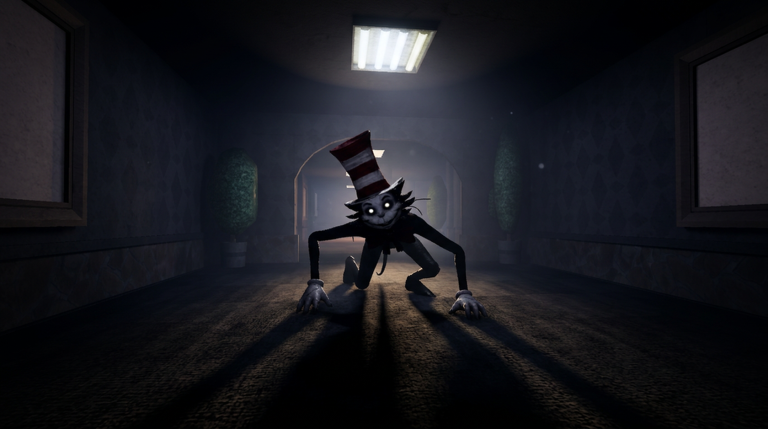
DON'T LET HIM IN is a Roblox horror survival game built around one brutal loop: you and your friends have to keep a monster out of the house. The tension comes from the fact that the monster can reach doors and windows, which means every round is really a fight over which opening gets breached first. Casual teams treat the house like one big safe room. Veteran teams treat it as a set of separate entry points that each need a dedicated defender, a defined rotation, and an agreed fallback plan.
This guide covers the hidden interactions around those entry points, why they change the outcome of a run, how to actually use them with a squad, and the common mistakes that hand the monster an easy win. The angle here is smart play rather than raw reflexes: the players who last the longest are the ones reading the house layout before the monster ever appears.
Hidden Systems Most Teams Never Notice
The Door and Window Split
The single most important hidden system is that doors and windows are not the same threat. The monster can reach doors, and the monster can reach windows, but they present different problems. A door is a single choke point you can watch head-on, while windows give the monster alternate routes around any defender who has committed to the front. Teams that stack everyone on one doorway are quietly leaving the rest of the house unguarded.
Friend Count as a Defense Resource
Because the game is designed around players and their friends keeping the monster out, group size is a mechanic in itself, not just a social detail. Two players produce two coverage zones. Four players produce rotation, meaning one defender can step away to reposition without leaving an opening empty. Solo play strips away that rotation entirely, which is why solo runs fall apart at the exact moment the monster switches targets.
Endings and Jumpscare Routes
Walkthrough footage confirms the game carries multiple endings and multiple jumpscare moments, so a run is not simply survive or fail. Which entry point you give up, and when, shapes which ending you reach. Jumpscares also act as information: they mark where the monster has committed, and veteran players use that signal to shift their defense instead of panicking.
Why These Mechanics Matter More Than Reflexes
A panicked squad loses to a monster that can reach every door and window because panic makes everyone chase the same noise. Once three defenders cluster on one side of the house, the opposite openings become free. Hidden mechanics like these matter because they convert a horror reflex test into a positioning game, and positioning is something you can rehearse before the round even starts.
They also change how you read failure. If a breach happens on an unwatched window while the whole team sat at the front door, that was a setup error, not a skill gap. Recognizing the difference is what separates a veteran caller from a casual one.
How to Actually Use Them: Three Defense Builds
- The Two-Lane Hold. Split the squad across door coverage and window coverage. One player owns the front door and never abandons it. The remaining players rotate between window lines. This build works because it mirrors how the monster reaches the house, through both doors and windows.
- The Rotating Pair. Best for three and four player teams. Two defenders hold the most exposed entry while the other pair sweeps the quieter openings, then swap on a set count. Rotation keeps a defender from being caught mid-reposition by a jumpscare.
- The Solo Bounce. For single players, abandon the idea of holding everything. Hold the door first, since it is the clearest choke point, and only shift to a window when the jumpscare cue tells you the monster has redirected. This build accepts that you cannot cover the whole house alone and plays the information instead.
Running the Build With Friends
Pick a caller before the round starts. The caller decides which entry gets abandoned when pressure spikes, because a defense build only works if everyone moves on the same signal. Call out jumpscare cues as directional information rather than as reactions, and agree on one fallback opening the whole team collapses toward if the house gets overrun.
Common Mistakes That Get You Breached
- Full-team door camping. Leaving windows unwatched hands the monster a free route around your entire setup.
- Chasing noise instead of holding a lane. Defenders who sprint toward every sound abandon their assigned opening and create the exact gap the monster needs.
- Ignoring squad size. Playing a four-player rotation plan with two people online leaves half the house dark from the first second.
- Treating every jumpscare as a fail state. Jumpscare moments are contact information, and veterans use them to reposition rather than to reset.
- Randomly triggering endings. If you are chasing a specific ending, rushing a breach on purpose destroys the defense build you just set up.
FAQ
Q: Can the monster in DON'T LET HIM IN enter through windows, or only the front door?
The monster can reach doors and windows, so windows are a genuine entry route. Any defense build that only watches the front door leaves the rest of the house exposed.
Q: Does DON'T LET HIM IN support co-op, and does it change how you defend?
Yes, the game is designed for players and their friends to keep the monster out of the house. Extra players let you split door and window coverage and rotate defenders, which is impossible on a solo run.
Q: How many endings does DON'T LET HIM IN have, and do my defense choices affect them?
Full walkthrough footage shows the game includes all endings plus its jumpscare moments. Which entry points you defend or give up during a run influences which ending you reach, so a deliberate defense build also gives you better ending control.
Conclusion
DON'T LET HIM IN rewards the squad that treats doors, windows, jumpscare cues, and squad size as systems to manage instead of chaos to survive. Build your defense around the door and window split, rotate defenders when you have the numbers, and read jumpscare moments as directional information. Do that, and you stop reacting to the monster and start controlling where it can get in.
Active DON'T LET HIM IN Codes (October 2026)
No verified active codes are available right now for DON'T LET HIM IN.