Introduction: Reading the Community Behind the Grind
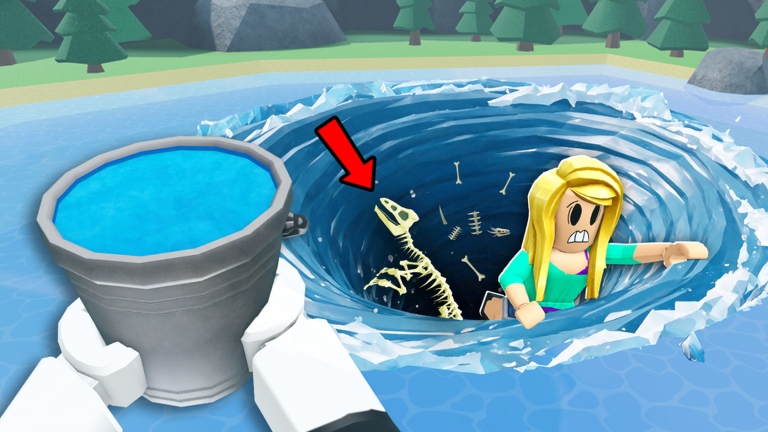
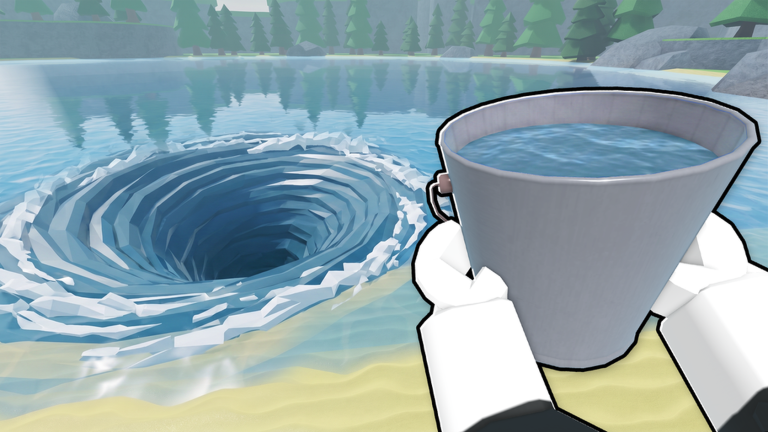
Drain the Lake is an endless co-op incremental game on Roblox built around one very small loop: fill your bucket, walk it to a drain point, earn tokens, spend those tokens on upgrades, then push into deeper water. The official Roblox games API shows the public title as [ENDLESS] Drain the Lake, with live counters of 127,928,369 visits, 326,118 upvotes, 374,143 favorites, and 5,237 players in server when the sources were checked on August 5, 2026. This review is not a straight gameplay breakdown. It looks at the thing that keeps a grind game alive past the first week: the social ecosystem around it, the tools players build for each other, and whether a newcomer is welcomed or left guessing.
Discord and Social Media Activity Level
Social activity here is real but decentralized. The community tracking surface for the game reports a community membership figure in the 165,000 range, with the last update recorded on July 5, 2026, which points to a large, still-talking player base. What stands out more than raw size is how the community organizes itself around shared status pages. Code status, patch watch, and update baselines are all published with dates attached, so players can see when something was last checked rather than trusting an undated screenshot.
One honest warning from the community side: several sources specifically advise avoiding fake Trello boards and impersonation Discord links. Copycat servers are the main social hazard in this ecosystem, not in-game griefing. Treat any unverified invite with suspicion and stick to links surfaced by the official page.
In-Game Social Features Quality
Drain the Lake is cooperative by structure rather than by menu. There is no party finder, no lobby chat system highlighted in any checked source, and no ranked leaderboard loop described. What you get instead is a shared world objective: everyone is draining the same lake and pushing the same depth, so other players working nearby are teammates by default. Seeing a busy server of thousands of concurrent players all pushing toward the phone goal is the social feature. That said, if you want structured co-op with roles and matchmaking, this game does not offer it.
Trading Economy Health
There is no player-to-player trading surface in any of the checked sources. The economy is entirely single-player in design: you earn tokens from drains, you spend them on bucket capacity, token gain, and depth readiness, and nobody can sell you an advantage. That makes the economy extremely stable, since nothing can be inflated or duped. It also means the social economy is thin, because there is no reason to interact with another player beyond sharing space. The community trades information instead of items, through planners, tier lists, and route notes.
Toxicity and Moderation Issues
The core loop leaves almost nothing to fight over. There is no scarce loot, no kill credit, and no competitive resource, so the usual friction points in Roblox games simply do not exist. The main moderation concern is off-platform: unverified patch notes and copied reward lists can mislead players into wasting tokens on a build that was never confirmed. Community guidance is explicit here. A video title, a comment, or a reposted list is a lead, not proof, and it should never decide your Skill Tree path or your depth push until you confirm it in game. Detailed patch notes remain unverified, which is the closest thing this game has to a recurring community complaint.
Content Creator Ecosystem
Coverage exists but is shallow. There are YouTube videos chasing secret content and code reveals, which is standard for Roblox search traffic, yet the same sources confirm no verified public code has been found in official description checks as of August 5, 2026. Creator output around Drain the Lake is therefore mostly speculation and early-loop demonstration rather than deep endgame documentation. Players relying on creators will get the fill-drain basics quickly and very little on late depth strategy.
Is the Community Welcoming to Newcomers?
Yes, and unusually so, because the tooling is built for beginners. The wiki walks a new player through four steps in order: check code status, learn the starter loop, fix the slowest step of your cycle, then push depth only when the route is stable. An upgrade planner lets you pick your current goal and receive a source-safe next purchase, and a tier list ranks bucket capacity and token gain as top priorities with depth pushing rated one tier below. New players are handed a plan instead of a wall of numbers. The friction is only that there is currently no starting bonus mechanic, so the first few hours are the slowest part of the experience.
FAQ
Q: Does Drain the Lake have a code system at all?
A: Yes, the game's code status is actively monitored by community sources, but there are currently none to redeem. As of the August 5, 2026 source check, the official description exposed no redeemable string, and this page is monitored so it updates the moment codes drop.
Q: What is the Skill Tree actually for?
A: It is your specialization layer. You choose between improving bucket capacity, which raises water carried per trip, and token gain, which compounds across repeated runs. Both feed the same goal of making your route stable before you push into deeper water.
Q: What is the phone goal?
A: It is the concrete endgame target confirmed on the official Roblox page baseline. Depth pushing is rated a high-priority path, but community guidance says it should follow stable bucket and token income rather than replace it on the way to the phone.
Verdict
Drain the Lake's real strength is not the bucket. It is the ecosystem: dated status pages, a beginner route guide, an upgrade planner, tier lists, and a community that openly flags unverified claims. The loop of fill, drain, upgrade, go deeper is honest and endlessly repeatable, the token economy cannot be bought out, and the shared world objective makes a full server feel cooperative without any forced interaction. Weaknesses are equally clear: no player trading, no structured co-op tools, unverified patch notes, a slow start with no catch-up bonus, and a repetitive single-objective design that will bore anyone wanting varied tasks.
Final verdict: recommended for patient grinders, route optimizers, and players who want a fair token economy with strong community tooling. Skip it if you want trading, matchmaking, or fast early momentum. As a social-first incremental, it holds up in October 2026.
Active Drain the Lake Codes (November 2026)
No verified active codes are available right now for Drain the Lake.