Community and social ecosystem assessment
Dream Car Collection is a Roblox idle-collector built around one very simple, very addictive loop: buy a lucky crate, place it, open a car, then park that car on your lot so money keeps rolling in even after you log off. That single sentence explains why the game attracts a chatty, invested player base. Progress is visible, shareable, and screenshot friendly, which is exactly the kind of design that fuels clubs, servers, and screenshot trading talk.
This review looks at the game through the community lens rather than a pure feature checklist. Where does the player base actually gather, how healthy is the car economy, is the atmosphere friendly to newcomers, and how much pressure does the crate luck system put on free players? The verdict is at the end, but the short version is that the social side is doing more work than the update pipeline.
Discord and social media activity level
The developer maintains a public Discord server, and that server is the main town square for the game. For a crate-and-collect title, an always-on chat channel matters more than a busy forum, because players want to show off pulls and ask whether a car is worth keeping. GameRant has been tracking the game's code releases as recently as September 21, 2026, which tells you the title still gets outside editorial attention alongside its own community chatter.
Social activity skews heavily toward the game's own Discord rather than broad social media. That is normal for a smaller collectathon: the feedback loop between a new crate drop and a server full of people comparing lots is fast, and that speed is what keeps the ecosystem alive between updates.
In-game social features quality
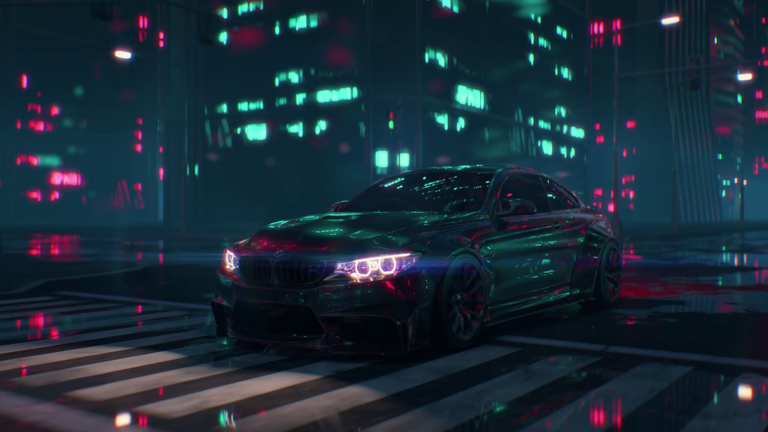
The social surface inside Dream Car Collection is intentionally light. Your lot is your profile: a display of up to 50 or more shiny cars tells any visitor exactly how far your luck and patience have taken you. Because income is generated passively by parked cars, the lot functions as both a scoreboard and a conversation starter.
Where the in-game side is thinner is in structured interaction. There is no deep cooperative mode or competitive racing layer described anywhere in the current material, so most of the social value comes from juxtaposition rather than mechanics. Players compare lots, compare crate outcomes, and compare how fast a lot fills. That works, but it means the game leans on external chat to carry what in-game systems do not.
Trading economy health
The economy is crate luck driven at the supply end and idle income driven at the demand end. Cars come out of lucky crates, so rarity distribution is the spine of value, while parked cars generate the currency that funds the next crate purchase. This creates a clean, self-reinforcing loop, and it also means the economy is only as healthy as the crate odds and the willingness of players to keep buying in.
The risk is straightforward. If the same handful of cars dominate every lot, the trading conversation gets repetitive, and long-tenured players end up with a full lot and nothing to chase. On the plus side, a 50-plus car lot is a big enough canvas that variety remains achievable for a long time, and the passive income floor keeps free players from hitting a total wall.
Toxicity and moderation issues
Nothing in the current record points to a toxicity problem, and the tone of coverage around the game is neutral and mechanics focused. The developer runs an official Discord, which gives moderation a home and gives players a reporting route. A game where the core flex is a decorated lot rather than a kill feed tends to attract collectors, not griefers.
The bigger friction point for players is not other people, it is variance. Crate luck is honest about being luck, but unlucky stretches still feel bad, and that frustration is the thing most likely to spill into chat. Clear odds communication from the developer would go a long way here.
Content creator ecosystem
Crate openings translate extremely well to video, and Dream Car Collection is covered by outlets such as GameRant, whose guides writer Artur Novichenko published a codes article for the game on September 21, 2026. That mix of press coverage plus a Discord full of pull screenshots is a decent foundation for a creator scene, even if the game is not a headline stream title.
The format is predictable in a good way: open a crate, reveal a car, place it, show the lot. Creators can produce short, satisfying clips without needing scripted events, and community members can do the same on a smaller scale. The weakness is that reveal-style content runs dry if new crates do not arrive often.
Is the community welcoming to newcomers?
Yes, with a caveat. A lot filled with shiny cars can look intimidating on day one, but the passive income system means new players are never idle, and there is no punishing early pvp dynamic to survive. The code system also exists specifically as a newcomer boost: promotions are released by the developer and redeemed in-game, easing the first dozen crate purchases.
Codes are the one area where patience is required right now. There are currently none to redeem, and no rewards can be claimed yet for Dream Car Collection. This page is monitored and updates the moment codes drop, and when new codes are released they will appear in the live list below. New players should treat codes as a bonus rather than a starting grant, and should get comfortable with the crate loop itself as the real progression engine. Codes also tend to expire quickly once a promotion ends, which is why tracking a monitored list matters more than saving old strings from forum posts.
Frequently asked questions
Q: Does Dream Car Collection have codes to redeem in September 2026?
There are currently none to redeem. This page is monitored and updates the moment codes drop, and when new codes are released they will appear in the live list below.
Q: How does the lucky crate loop actually work in Dream Car Collection?
You buy a crate, place it, open it to reveal a car, then park that car on your lot. Parked cars keep generating income while you are offline, which funds the next crate. Filling a lot of 50 or more shiny cars is the long-term goal.
Q: Is Dream Car Collection fair to free players?
Free players are not locked out, because passive income accumulates whether you spend or not, and promotions released by the developer provide periodic boosts. The tradeoff is pace: crate luck decides how fast a lot fills, and free players simply run the loop longer to reach the same fills.
Q: Where does the Dream Car Collection community hang out?
The developer's Discord server is the primary hub for showing off lots, comparing crate results, and catching announcements. In-game social features are lighter, so most conversation happens outside the client.
Verdict
Dream Car Collection succeeds as a social idle-collector because its core loop is easy to understand, easy to show off, and generous with offline progress. The lot of 50-plus cars gives players a public identity, the passive income floor keeps free players engaged, and the Discord-centered community gives the game a heartbeat between updates.
The weaknesses are the ones you would expect from a luck-driven design: content is only as fresh as the crate pool, in-game social mechanics are thin compared with the chat that surrounds them, and code promotions arrive on the developer's schedule rather than on yours. For players who like patient collecting and low-pressure chat, this is a comfortable fit. Players who need structured competition, frequent content drops, or a guaranteed progression path should look elsewhere. As of September 2026, the community is the strongest feature, and the crate loop is the reason it exists.
Active Dream Car Collection Codes (September 2026)
No verified active codes yet for Dream Car Collection; 2 unverified codes are being tracked.