Duck Duck: Progression and Content Loop in September 2026
Duck Duck, the chaotic party game from Quack Quack Co., continues to capture attention on Roblox with its simple yet frantic take on tag. As of September 2026, the game has introduced the infection mode update and maintains an active code system, but questions linger about its progression depth, content variety, and ability to keep players engaged over time. This review delves into the current state of Duck Duck, focusing on its core gameplay loop, strengths, weaknesses, progression mechanics, and overall appeal for different player types. With recent data showing over 9.99 million visits and a 92% rating, but only one active code tracked as of early September, we assess whether the game delivers enough for new and returning players.
Core Gameplay Loop: Social Panic and Quick Rounds
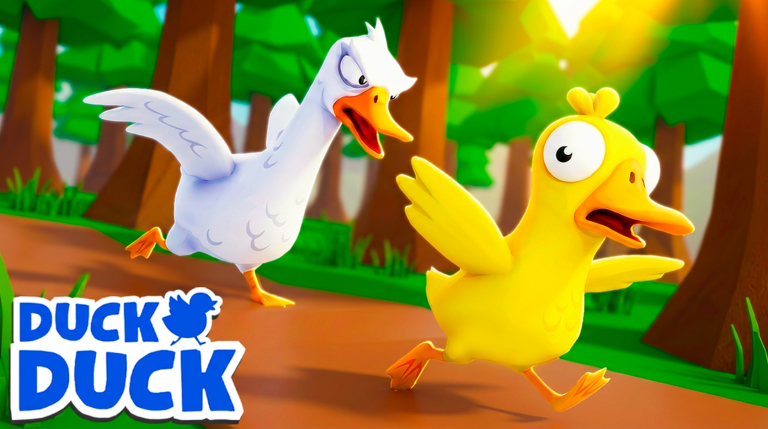
At its heart, Duck Duck revolves around a frantic hot-potato tag system. Players are divided into ducks and at least one goose, with the goose's goal being to tag a duck before a timer runs out to pass the "exploding potato." If the timer expires, the duck holding the potato is eliminated. The gameplay is set across varied maps like ponds and construction sites, but the objective remains consistent: avoid being tagged or left with the potato. Controls are intuitive with floaty movement, making close escapes humorous. Rounds are short, often ending in fiery explosions that trigger laughter and immediate restarts. This loop creates instant tension and strategic passing, but the single-mode design means repetition sets in quickly without social play or updates. The recent infection mode update, introduced in September 2026, adds a twist by likely spreading infection among players, though details are still emerging and may not drastically alter the core experience.
Strengths: Social Chaos and Fair Progression
One of Duck Duck's standout strengths is its social chaos. It thrives in group settings, where betrayals and accidental explosions foster genuine fun and memorable moments. The game is refreshingly fair, with no pay-to-win mechanics. Cosmetics are purely visual and earned through bread currency from matches or daily quests. The daily quest system, launched earlier, provides structured tasks that reward a special egg, adding a layer of progression outside matches without forcing a grind. Additionally, the code system periodically offers bonuses, with developers promising rewards based on community milestones like likes on Roblox. Although only one code was active as of early September 2026, this system keeps the community engaged, with platforms like Discord fostering active discussions. The game's accessibility and short rounds make it ideal for quick, lighthearted sessions.
Weak Points: Limited Content and Stagnation
Despite its fun core, Duck Duck suffers from limited content depth. There is only one primary mode, with infection mode being a recent addition that may not provide substantial new mechanics. Maps vary slightly but lack diversity, leading to novelty wearing off fast. Updates are infrequent; the last major addition was the daily quest system, and the infection mode update in September 2026 seems to offer more of the same. The code system, while active, can be inconsistent, with periods of slow releases affecting player retention. For solo players, the repetition is frustrating, as the game heavily relies on social interaction. The community, though friendly on Discord, is small, with player counts often spiking only during code announcements or updates. This stagnation can hinder long-term engagement, especially for those seeking deep progression or varied gameplay.
Progression and Monetization: A Slow Grind with Fair Monetization
Progression in Duck Duck revolves around earning bread through matches and quests to buy eggs from the shop, which hatch into random cosmetics. The daily quest system provides a steady stream of eggs, and when codes are active, they offer boosts like bonus bread or free eggs. However, as of September 2026, the bread grind can feel slow without these bonuses, and with only one active code tracked, progression feels limited for free-to-play players. The code system, from research, previously offered rewards like Outfit Eggs and bread boosts, but the pace has been uneven. Monetization is handled through optional game passes that provide bread boosts or exclusive emotes, but these are not necessary for core gameplay. Free players are not at a disadvantage, maintaining fairness, but unlocking desired cosmetics takes considerable time. This balance is acceptable for casual play, but may deter players looking for quick unlocks or frequent content drops.
Who the Game Suits Best: Casual Groups, Not Competitive Grinders
Duck Duck is best suited for casual players who enjoy party games with friends. If you have a group to play with, the social chaos and short rounds create engaging and humorous moments. It's ideal for those who don't mind repetition and appreciate simple, fair mechanics without pressure. The game does not demand long sessions, making it good for quick plays between other activities. However, competitive players or those seeking deep progression may find it lacking, as there are no distinct game modes or permanent upgrades beyond cosmetics. Solo gamers might lose interest quickly due to the reliance on social play. For returning players, the infection mode update offers a reason to check back, but without substantial content drops, the retention loop feels thin. Overall, it excels in group settings but struggles to hold attention for extended periods.
Frequently Asked Questions
Q: How does the infection mode update change Duck Duck?
A: The infection mode, introduced in September 2026, adds a new twist to the classic tag gameplay by likely involving spreading infection among players. While specific mechanics are still emerging, it aims to diversify the experience without altering the core hot-potato loop significantly.
Q: What is the role of daily quests in progression?
A: Daily quests provide structured tasks that reward a special egg upon completion, helping players earn bread and cosmetics more steadily. This system adds a layer of progression outside matches, reducing reliance on random drops from gameplay.
Q: How does the code system impact player engagement?
A: The code system periodically releases bonuses like free eggs or bread boosts, often tied to community milestones such as likes. It keeps players engaged by offering extra rewards, but the release pace can be slow, affecting regular progression and retention.
Verdict: Fun in Groups, Limited Solo
Duck Duck remains a solid choice for casual, social gaming in September 2026, thanks to its fair mechanics, humorous chaos, and accessible progression. The infection mode update and code system provide some freshness, but the limited content depth and slow updates mean it struggles to sustain long-term engagement. For players with friends, it delivers memorable moments, but solo gamers or those seeking variety may find it repetitive. Monetization is fair with no pay-to-win pressure, though the bread grind can feel tedious without active codes. Ultimately, Duck Duck is worth playing for light-hearted group sessions, but it falls short as a deep or competitive experience.
Active Duck Duck Codes (October 2026)
1 verified code available for Duck Duck; 4 unverified codes are being tracked.