Introduction to Duck Duck Solo and Group Play in September 2026
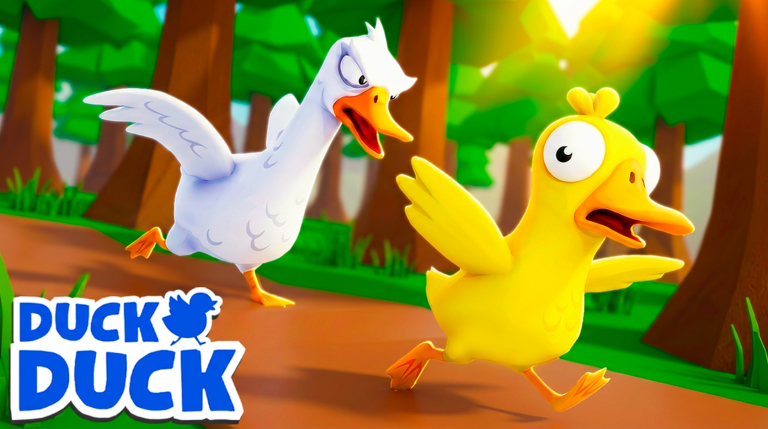
Duck Duck is a fast-paced Roblox tag game by Quack Quack Co., where players alternate between roles as ducklings (runners) and geese (chasers). As of September 2026, the game is approaching a major like milestone at 40,000 likes, promising new rewards for the community. Whether you play alone or with friends, understanding how to optimize your approach can maximize your Bread earnings and help you secure exclusive items like Outfit Eggs. This guide focuses on the differences between solo and group play, offering specific strategies tailored to Duck Duck's mechanics, such as hot potato passing, map navigation, and resource management.
Differences Between Solo and Group Approaches
In Duck Duck, playing solo versus in a group fundamentally changes your strategy. When solo, you rely entirely on individual skills like evasion, prediction, and quick decision-making. There's no backup to pass the hot potato or coordinate distractions, so every move counts. In contrast, group play allows for teamwork, where you can assign roles, communicate passing patterns, and use crowd dynamics to your advantage. The game's core mechanic of passing the hot potato to nearby players becomes more strategic in groups, as you can deliberately target teammates to avoid being caught. Solo play demands higher map awareness to use hiding spots effectively, while group play can leverage numbers to corner geese or create escape routes.
Best Strategies When Playing Alone
As a solo duckling, your priority is survival until the timer runs out. Focus on using the hot potato mechanic by staying near other ducks, even if you don't know them, to have quick passing options. Earn Bread each round and spend it wisely in the Shop on cosmetics that provide subtle advantages, such as Outfit Eggs that offer bread boosts, as noted in the September 2026 updates. Avoid open areas on maps; instead, slide under obstacles and zigzag through corridors to break line of sight with geese. Memorize common hiding spots on popular maps, like behind crates or in tunnels, where geese often overlook. When holding the hot potato, use the 'pass and retreat' technique: pass it to a duck close to you, then immediately move away to avoid being the next target. As a solo goose, predict duck movements by observing patterns, such as ducks running away from you, and cut off their paths by taking alternate routes. Use minimal cosmetics to reduce distractions and practice the element of surprise by pretending to pass hiding spots before doubling back.
How to Adapt When in a Group
Group play in Duck Duck amplifies coordination, especially for the hot potato mechanic. Communicate with friends to designate roles, like one player acting as a decoy to draw the goose away while others pass the potato safely. Use the orange passing range indicator to time passes precisely, ensuring the potato moves away from danger. In groups, ducks can cluster to blend in, making it harder for geese to single out targets, but avoid overcrowding to prevent mass panics. For geese, group play requires predicting passing chains; focus on ducks that are isolated or slower. Earn Bread collectively by completing rounds quickly, and pool insights to unlock like milestones like the 40,000 likes target, which may release new cosmetics. Adapt mid-game by switching roles if the group is struggling; for example, if ducks keep getting caught, switch to more aggressive chasing to reset the dynamic.
Role Suggestions for Team Play
In team play, assign specific roles based on play styles. As ducks, designate a 'runner' to focus on evasion and map navigation, using cosmetics that enhance speed or visibility. Another role could be a 'passer' who prioritizes moving the hot potato to safer ducks, leveraging group communication to avoid the goose. For geese, consider a 'chaser' role focused on direct pursuit, using prediction skills to corner ducks, and a 'floater' who covers multiple areas to cut off escapes. Roles can be fluid; for instance, the passer might switch to runner if they become the hot potato holder. Use the Shop's offerings, like bread boosts from Outfit Eggs, to enhance role effectiveness. Always keep an eye on the like count; reaching milestones like 40,000 likes can unlock new items that complement team strategies, such as exclusive cosmetics that aid coordination.
When to Switch Between Approaches
Not every round suits a fixed approach. In solo play, if you're consistently caught as a duck, consider grouping up or adapting by using more defensive strategies, like hiding near crowded areas. As a solo goose, if ducks are evading you, try learning their patterns from previous rounds or switch to a more patient style. In group play, if coordination fails, revert to individual tactics until the team regroups. Monitor the game's progress toward like milestones; with 40,000 likes on the horizon in September 2026, new rewards might influence your choice. For example, if a milestone unlocks a bread boost item, solo players might save Bread for it, while groups can distribute earnings. Switch based on map layout; linear maps favor aggressive solo play, while complex maps benefit group coordination.
Frequently Asked Questions
Q: How does the hot potato passing work in solo versus group play?
A: In solo play, you must rely on nearby random ducks to pass the hot potato, using the orange circle indicator to gauge range. Timing is critical, as passing too early or late can lead to being caught. In group play, you can coordinate passes with friends, using voice chat or signals to pass strategically, ensuring the potato moves to a safer position within your team.
Q: What are the best Bread-earning strategies for solo players?
A: Solo players earn Bread each round by surviving or catching ducks. Focus on completing rounds quickly to maximize earnings, and invest in Shop items like Outfit Eggs that offer bread boosts, as seen in September 2026 updates. Avoid wasting Bread on purely cosmetic items unless they provide gameplay advantages, such as better visibility on maps.
Q: How can groups leverage like milestones for better play?
A: Groups can coordinate to hit like milestones like 40,000 likes, which may unlock new rewards. Discuss in-game events on platforms like Discord to stay updated, and use milestones as motivation to play together, sharing Bread and cosmetics to enhance team performance. Monitor the game's like count and adapt strategies to earn rewards faster.
Conclusion
Mastering Duck Duck in September 2026 involves optimizing solo and group play to navigate its tag mechanics, earn Bread, and contribute to like milestones. Whether you're a lone duckling evading geese or a coordinated team passing the hot potato, adapting your strategies to the situation is key. With the 40,000 likes target approaching, now is the time to refine your approach and prepare for new rewards. Remember to use the Shop wisely, communicate in groups, and always stay aware of the game's evolving dynamics.
Active Duck Duck Codes (October 2026)
1 verified code available for Duck Duck; 4 unverified codes are being tracked.