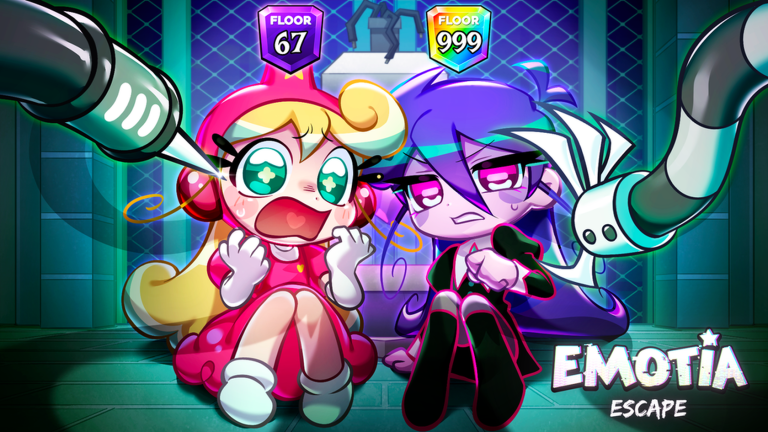
EMOTIA Escape has evolved with the Active Skill Update, introducing the Q key for character active skills and refining co-op dynamics in the Emotion Prison. Whether you are navigating puzzle floors alone or coordinating with a team, optimizing your play style is crucial for surviving Corrupted Emotians and managing resources like morning glories. This guide breaks down the differences between solo and group approaches, offering specific strategies to elevate your gameplay in September 2026.
Differences Between Solo and Group Play in EMOTIA Escape
Solo play in EMOTIA Escape demands self-sufficiency, as you fill all roles simultaneously, from route calling to puzzle checking. In contrast, squad play, which supports up to five players, allows for role specialization and shared resource management. The core Emotion Prison remains the same, but the pressure shifts: solo players must master upgrades and scouting, while squads rely on communication to handle reset points and revive economies. For example, in group play, the route caller can lead through the first door, whereas solo players must adjust their camera and move carefully to avoid triggering extra enemies.
Best Strategies for Solo Players
When playing alone, focus on upgrades that enhance recovery and awareness to compensate for lack of backup. Prioritize movement and defensive upgrades, such as those that reduce damage from Corrupted Emotians or improve puzzle interaction speed. Scout new maps introduced in recent updates slowly, treating each run as a learning opportunity to locate reset points without wasting morning glories. Manage your morning glories conservatively; avoid spending them on revives in early floors, as later stages require them for character unlocks and critical revives at safe zones. Use the Active Skill Update by pressing Q for character-specific abilities, which can help in solo chases or puzzle sequences where timing is key.
Upgrade Optimization for Solo Runs
Since you are the only player, stack upgrades that complement your playstyle. If you often fail at puzzles, choose upgrades that extend puzzle interaction windows. For chase sequences, select speed boosts to outrun Corrupted Emotians in tighter corridors of the Emotion Prison.
Route Scouting on New Maps
With the three new maps added, solo players should initially move at half pace to observe puzzle density and chase patterns. This prevents unexpected resets and helps memorize door orders for future runs, reducing reliance on morning glories for revives.
Adapting to Group Play in EMOTIA Escape
In squad play, communication transforms a chaotic lobby into a coordinated unit. Assign roles before entering any floor to streamline progress. The route caller should track door order and puzzle states, while the puzzle checker verifies tiles and levers to prevent silent mistakes. For larger squads, add a rear guard to watch for Corrupted Emotian spawns during chases. Adapt your strategy by sharing morning glories management; let the route caller decide when revives are worth the cost, ideally at reset points rather than mid-chase.
Role Suggestions for Team Play
Effective role specialization is a hidden mechanic that many overlook. Here are key roles to consider:
- Route Caller: This player leads the team through doors and calls out reset points. They benefit from movement upgrades to stay ahead and make quick decisions during chases.
- Puzzle Checker: Focused on verifying puzzle elements, this role requires defensive upgrades to survive while stationary. They should announce puzzle states every few seconds to avoid errors.
- Rear Guard: For squads of three or more, this player watches for enemy spawns behind the team, allowing others to focus forward.
Assigning these roles prevents the common mistake of rushing the first door without direction, which splits the team and triggers extra enemies.
When to Switch Between Solo and Group Approaches
Switch your approach based on the situation. Solo play is ideal for scouting new maps or practicing puzzle mechanics without team pressure. Group play shines on higher-difficulty floors where role coordination can manage multiple Corrupted Emotians and revive economies efficiently. If your squad struggles with communication, revert to solo strategies like careful resource management until coordination improves. The Active Skill Update's Q key skills can be leveraged in both modes; solo players use them for self-buff, while squads can coordinate skill timing for group advantages.
FAQ
Q: How does the Active Skill Update impact solo versus group play?
In solo play, the Q key active skills provide personal boosts to handle puzzles and chases independently, such as temporary speed increases for escaping Corrupted Emotians. In group play, these skills can be timed to complement teammates, like a route caller using a navigation skill to highlight reset points for the entire squad.
Q: What are the best upgrades for solo players in EMOTIA Escape?
Solo players should prioritize upgrades that aid recovery and puzzle efficiency, such as those reducing knockdown time or extending interaction ranges. For example, defensive upgrades help when you are the only target of Corrupted Emotians, while movement upgrades assist in scouting new maps without relying on teammates.
Q: How should morning glories be managed differently in solo versus group play?
In solo play, conserve morning glories by avoiding early revives and spending them only on essential character unlocks. In group play, the route caller should communicate revival timing to ensure morning glories are used at safe zones or reset points, preventing waste during mid-chase emergencies.
Mastering EMOTIA Escape requires adapting your play style to the mode, whether solo or squad. By leveraging the Active Skill Update, managing morning glories wisely, and defining clear roles in teams, you can overcome the challenges of the Emotion Prison. Remember to scout new maps carefully and avoid common mistakes like rushing puzzles without verification. With these strategies, you will optimize your runs and enjoy a smoother escape experience.
Active EMOTIA Escape Codes (September 2026)
No verified active codes are available right now for EMOTIA Escape.