Why Solo and Squad Play Feel Like Two Different Games
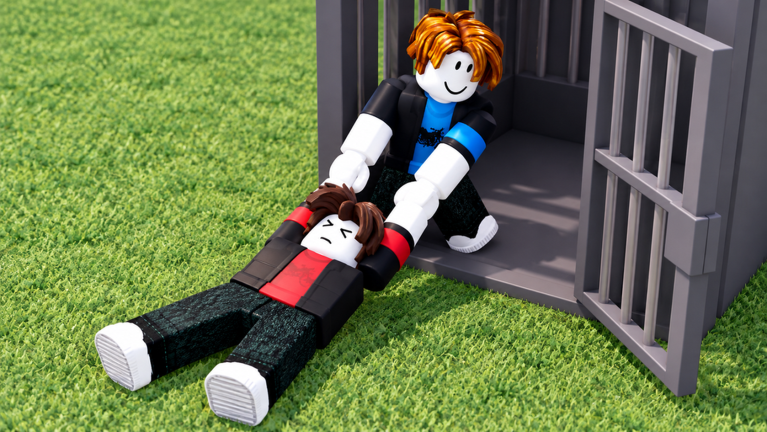
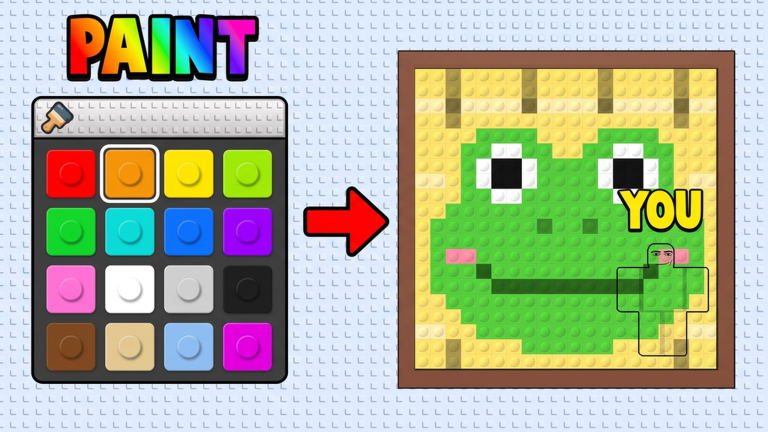
Hide In Pixels is built on one simple tension: one side hides as everyday pixel objects, the other side searches. That single rule set splits into two completely different experiences depending on whether you queue alone or with a squad. Playing solo, you are the only variable you can control, so every decision about where you stand, how still you stay, and when you move is entirely on you. Playing in a group, your survival suddenly depends on coordination, role assignment, and knowing when not to move so a teammate can slip past a searcher.
This guide breaks down how to optimize your play for both situations, and how to tell mid-match which approach the current round is asking for.
The Core Difference: Individual Concealment vs Collective Cover
As a solo hider, your goal is pure concealment. You blend into a cluster of pixel props, pick a spot that a rushing searcher is unlikely to check, and stay perfectly still. There is nobody to blame and nobody to cover, which means you can take riskier positions deep in high-traffic zones because a single mistake only costs you.
As part of a squad, the calculus changes. Hiders grouped in one area create a cluster that a thorough searcher will eventually clear together, wiping the whole team at once. A squad that spreads across the map forces the seeking side to divide attention, which is the real advantage of team play: you are not just hiding, you are consuming the searcher's time.
Best Strategies When Playing Alone
Anchor to Props That Match the Room
When you queue solo, prioritize spots where your pixel object makes sense in context. A lone object sitting in an empty corridor reads as suspicious even to a casual searcher. The same object tucked beside a group of similar props disappears. Always ask whether your placement tells a story the environment supports.
Rotate After Near Misses
Once a searcher has walked past your spot and doubled back, your position is compromised even if they did not tag you. Solo hiders should reposition immediately after any close pass rather than gambling that they will not check again. Veteran solo players treat a near miss as a countdown timer.
Spend Movement Early, Not Late
The final stretch of a round is when searchers sweep systematically. Solo players who stay frozen the whole round often get caught in that final cleanup. Moving early while the searcher is still chasing other targets gives you access to positions that are already cleared and therefore forgotten.
How to Adapt When You Are in a Group
Spread the Load
The single biggest mistake squads make is stacking. Split your team across different sections of the map so a searcher cannot clear more than one of you with a single sweep. Communication helps, but even silent squads that naturally spread out outperform groups that cluster for safety.
Let the Chase Bait Work for You
When a teammate draws a searcher into a chase, that is your window. Searchers tunnel vision hard on moving targets. Quiet squadmates should use that attention spike to settle into spots the searcher just vacated, which are almost never re-checked immediately.
Keep Still When Your Team Needs Silence
As a hider, movement is the loudest signal in the game. If a teammate is currently being hunted, any motion from you risks pulling a second searcher into your zone. Discipline about stillness during a teammate's chase is one of the highest-value habits a squad player can build.
Role Suggestions for Team Play
- Anchor: the most reliable hider on your team takes the hardest-to-reach, highest-value spot and commits to it for the full round.
- Rotator: a mobile player who repositions constantly, absorbs near misses, and drags searchers into wasted routes.
- Bait: the squad member willing to break cover and trigger a chase, opening safe zones for everyone else.
- Cleanup watcher: the quietest player, holding a low-traffic corner and staying absolutely still during the endgame sweep.
When to Switch Approaches Mid-Match
Watch the round flow. If your squad has already lost two members in the opening phase, the remaining players should shift to conservative solo-style hiding, because aggressive spread now just feeds the searchers individual targets. Conversely, if your squad is intact late and the searchers are panicking, that is the moment to play bait-heavy and force chases, since time is on your side.
The same read applies in reverse when playing solo: if the map empties quickly and only you remain, stop rotating and commit to a strong late-round anchor spot.
Frequently Asked Questions
Q: Is solo play or squad play better for winning in Hide In Pixels?
Squads generally hold an advantage because a spread team forces the searching side to divide attention across the map. Solo play rewards smarter individual positioning and better recovery after near misses, but you cannot match the time pressure a full squad applies.
Q: Should hiders in a group stick together for safety?
No. Grouped hiders get cleared in the same sweep. Spreading across separate areas of the map is almost always stronger, since it multiplies the number of routes a searcher must cover before time expires.
Q: How do I recover after a searcher almost finds me?
Reposition right away. A searcher who passes a spot once will usually double back during the endgame cleanup, so staying put after a near miss is one of the most common ways solo and squad players get caught.
Conclusion
Hide In Pixels rewards two skill sets that look nothing alike. Solo play is about reading the environment, positioning convincingly, and recovering fast. Squad play is about spacing, timing, and knowing when to be the quietest player on the map versus when to draw every searcher toward you. Learn both, and you will find yourself making the right call mid-round instead of guessing.
Active Hide In Pixels Codes (October 2026)
No verified active codes are available right now for Hide In Pixels.