Why Group Play Changes Anomaly Hunting
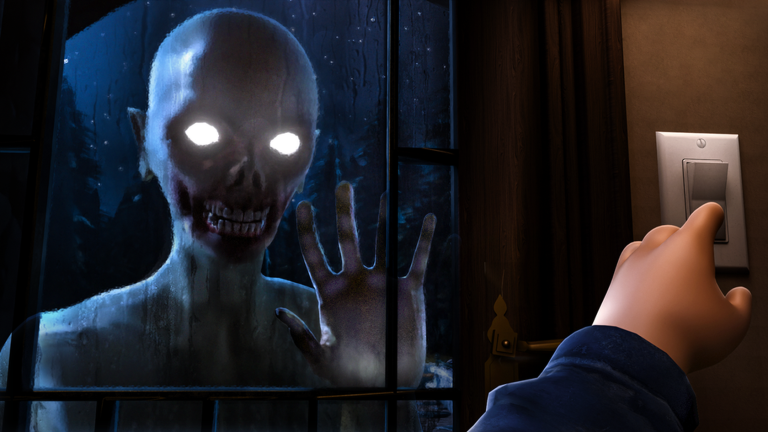
Home Alone drops you inside a house where the ordinary can quietly turn wrong, and the whole loop revolves around noticing it. Guides from Rock Paper Shotgun and IGN both stress the same core idea: you need to be careful about who, and what, you trust. Anomalies are the heartbeat of the experience, with guide lists tracking every anomaly added as recently as July 23, 2026. Playing solo means every flicker, misplaced object, and odd sound lands on your shoulders alone. Playing alongside others splits that observational load, so a session becomes a shared spot-the-difference hunt rather than one person memorizing every room layout. Codes matter here because a fresh redemption can arrive at any time, and this page is monitored and updates the moment codes drop. There are currently none to redeem.
The Social Layer Around Home Alone
Home Alone does not ship a formal clan, guild, or matchmaking panel, so its social layer is mostly built by the people around the game. The official Roblox experience and the creator group are the verified official channels, and a status check from July 26, 2026 confirmed that no creator-owned Trello, Discord, external wiki, or patch-notes page was verified. That means coordination happens in whatever spaces players already share: fan wikis, guide comment threads, and voice calls during a run. Practically, the social game is about comparing what each player saw. One person watches the upstairs hallway, another clocks the kitchen, and the group reconciles notes before anyone commits to a call. Because Anomalies are the detection mechanic, conversation is effectively your scoring system.
Finding and Forming a Group
Since there is no in-game party browser, groups form through the unofficial fan resource ecosystem. The fan-maintained Home Alone wiki describes itself as an unofficial fan-made resource and splits official links from community links so you can tell a verified source from a fan page. Its guide, wiki, update, and tool branches give new groups a shared reference to argue over. A practical starting point is simple: pick a few rooms, agree on a signal for suspicion, and keep a running tally of anomalies each player thinks they spotted. The wiki also notes the resource carries a 16+ marker, which is a useful reminder that voice chat with strangers should stay in public, moderated spaces rather than private invites.
Roles and Team Composition in a Haunted House
There are no locked classes, so roles are assigned by attention. The house naturally splits into zones, and the strongest compositions follow the architecture rather than any stat sheet.
- Zone watcher: one player per floor or wing, focused purely on object placement and lighting shifts.
- Runner: the player who moves between zones to confirm suspicious rooms, since a second look often separates a real anomaly from a texture quirk.
- Note keeper: tracks which anomaly types have already been confirmed, preventing duplicate reports and wasted movement.
- Caller: holds the final decision on whether the group reacts or waits for more evidence.
For a duo, the runner and zone watcher collapse into one person while the other holds notes. For a trio, give the runner to whoever has the steadiest memory of baseline room layouts.
Cooperation Without a Trading System
Home Alone offers no verified trading window or shared inventory, so cooperation is informational rather than economic. What a group trades is knowledge: which door was already checked, which hiding spot is compromised, which hallway produced a strange sound. Completionists chasing verified ending badge names benefit most here, because badge routes depend on specific survival paths and choices that are far easier to hit when one teammate remembers the route while another handles the movement. Treat badge progress as a shared checklist. Two players splitting badge requirements across runs is faster than both players attempting full completion separately.
Solo Alternatives for Everything
Every group activity has a solo answer. Solo players can run the same zone assignments by rotating rooms deliberately, checking one area fully before moving on instead of wandering. A single player can act as their own note keeper by mentally ordering anomalies as they appear, then re-checking rooms in reverse order. Solo runs are also the cleanest way to build a personal baseline: without teammates to compare against, you learn exactly how the house looks when nothing is wrong, which is the single most useful skill for later group play. If you prefer competition, unofficial metrics like survival duration, anomaly counts, and badge totals give you something to compare with friends, since no official leaderboard was found.
How to Redeem Codes in Home Alone
When a code finally arrives, redemption follows a standard Roblox flow. Do not enter codes copied from a different Roblox game.
- Launch the live Home Alone experience from the official Roblox page.
- Look for a Codes, Gift, Twitter, or settings button in the menu or HUD before following any steps.
- Copy the code exactly, since codes may be case-sensitive or time-limited.
- Submit it and record the success or failure message shown after redemption.
No rewards can be claimed yet for Home Alone. When new codes are released, they will appear in the live list below, and this page is monitored and updates the moment codes drop. Codes expire because developers retire them after an event window or milestone, so an unsourced expired list from another site should be treated as unverified.
Frequently Asked Questions
Q: Does Home Alone have an official Discord or Trello board?
Not that could be confirmed. A status check on July 26, 2026 verified the official Roblox experience and the creator group, but no creator-owned Trello, Discord, external wiki, or patch-notes page was verified. Use the official Roblox experience and creator-linked group as your source of truth.
Q: Can I trade keys, batteries, or items with other players?
No trading system has been verified for Home Alone. Items such as keys and battery packs are handled within a run, so cooperation happens by sharing route knowledge and anomaly reports rather than transferring goods.
Q: Are there codes for Home Alone right now?
There are currently none to redeem, and no official archive of retired codes has been located. Treat any list that never identifies the official place as unverified, and check the live list on this page for updates.
Conclusion
Home Alone rewards players who read the house carefully, and a group simply multiplies that attention. Split zones, agree on roles, share anomaly reports, and keep a running badge checklist so every run pushes completion forward. Solo players can rehearse the same discipline room by room and still progress. Bookmark this guide, keep an eye on the live code list below for the next drop, and bring your notes to the next session.
Active Home Alone Codes (October 2026)
No verified active codes are available right now for Home Alone.