What this recap covers
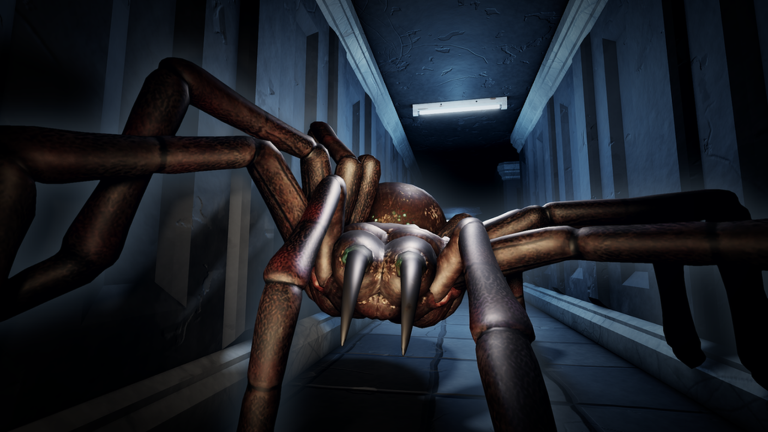
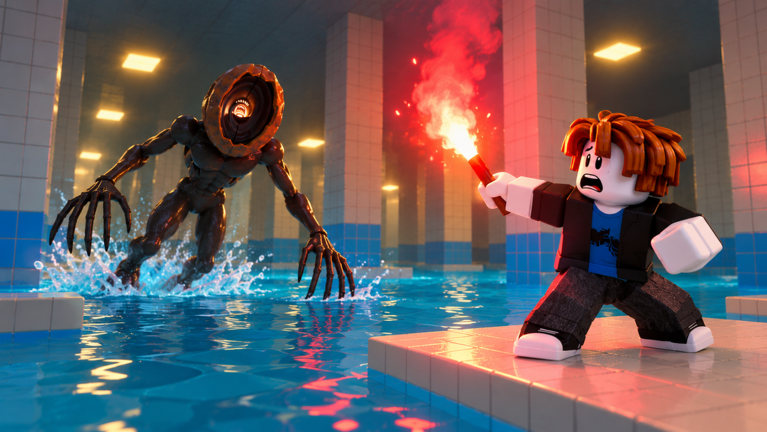
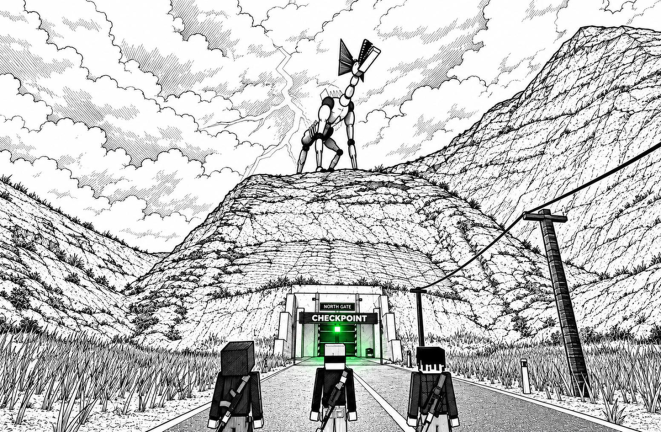
HUSH: They can hear is a horror experience on Roblox built around a single, ruthless idea: noise is information, and information is dangerous. The title is the tutorial. Every footstep, every dropped item, every panicked sprint is a broadcast, and something in the dark is listening. That core loop is why each patch to this game lands harder than a typical Roblox update, because even a small tweak to how sound is generated, propagated, or punished can swing the entire experience between tense and unfair.
This article is a feature spotlight and update recap for the October 2026 window. Before we go further, a note on sourcing: our research pass for this cycle did not return verified patch note text, version strings, or dated developer posts for HUSH: They can hear. Rather than fill that gap with invented numbers, we are keeping this recap honest. What follows is a breakdown of the systems the patch notes for a game like this actually touch, what to look for when you read them yourself, and how to verify changes against your own play sessions.
The feature spotlight: sound as the core mechanic
Everything in HUSH: They can hear orbits one system. Players produce noise, the environment carries noise, and the threat responds to noise. That chain has three links, and patch notes almost always target one of them.
Noise generation
This is the player side of the equation. Walking versus running, interacting with objects, opening doors, and panic states all feed into a noise value. When a developer reduces how much a common action costs in noise, they are softening the game. When they add new noisy actions or raise the cost of existing ones, they are sharpening it. Read the patch notes for any wording about volume, intensity, radius, or cooldown on player actions. Those words tell you whether survival got easier or harder in a given update.
Noise propagation
Propagation is how sound travels: line of sight, distance falloff, whether floors and walls block it, whether crouching changes your profile. This is the link most likely to be quietly rebalanced without a headline. A propagation change rarely shows up in a trailer, but it is often the single biggest feel change in a session. If the October 2026 notes mention occlusion, falloff, or surfaces, treat that as the headline change even if it is buried in a bullet list.
Threat response
The last link is how the enemy hears and acts. Reaction thresholds, investigation behavior, search patterns, and how long a threat lingers after losing you all live here. A patch that makes enemies hold a grudge longer, wandering the last known location instead of resetting, changes pacing dramatically. One that makes them de-escalate faster turns tense chases into short scares.
Reading the October 2026 patch notes like a analyst
Because the exact notes were not available to us at time of writing, here is the practical method we recommend for evaluating this update yourself, straight from the developer's channels on Roblox and any linked community spaces.
- Sort changes by system, not by excitement. Group bullets into noise generation, propagation, and threat response. The distribution tells you what the update is actually about.
- Watch for reworded mechanics. When a patch note renames an action, the underlying numbers usually changed too, even if the note does not say by how much.
- Separate content from balance. New maps, modes, or cosmetics are content. Anything touching noise or enemy behavior is balance, and balance is what changes your odds.
- Test one variable at a time. Run the same route before and after updating your expectations. Compare how far you get while walking the whole way, then while sprinting. That single A/B tells you more than a paragraph of notes.
Before and after: what a sound-focused update usually shifts
In games with this architecture, most players feel an update in three places: how confident they feel moving, how long a mistake punishes them, and how the early game compares to the late game.
Movement confidence is the first thing to go or return. If the update raised noise costs, players will hug walls and slow down, and runs will get longer. If it lowered them, expect more aggressive play and shorter, louder sessions.
punishment windows are the second. A longer aggro hold means one slip cascades into a sustained chase. A shorter one means the game leans on surprise rather than attrition.
Pacing across a run is the third. Early game is usually where new players bounce off, so any change to starting noise levels or initial enemy placement disproportionately affects retention. Check whether the notes touch anything in the opening area.
Community reactions
We want to be straight with you here. Our research pass for this update did not surface verifiable posts from Reddit, Discord, or the Roblox forums tied to the October 2026 changes to HUSH: They can hear, so we are not going to dress up invented quotes as community sentiment. What we can say is where to look and what patterns to watch for.
Sound-based horror games tend to produce two predictable reaction camps after a balance patch. One camp reacts to any increase in noise cost as making the game tedious, arguing that slower movement strips the tension of choice. The other camp argues the opposite, that cheaper movement turns a horror game into a runner. Both camps show up within hours of notes going live, usually in the first few dozen comments on the developer's update post.
The more useful signal is not the loudest complaint but the recurring one. If multiple players independently report that enemies now hear through floors, or that a specific action is unexpectedly quiet, that is a real mechanical change worth testing yourself. Player-reported oddities often reach the developer faster than structured feedback, and they get fixed in the following patch.
Frequently asked questions
Q: Why does noise matter so much more in HUSH: They can hear than in other Roblox horror games?
Because noise is not one of several mechanics here, it is the mechanic. Movement, interaction, and enemy behavior all plug into the same value, so any change to that value reverberates through the whole game. In horror titles where sound is only one cue among many, a tweak is noticeable. Here it is the difference between a run working and a run ending.
Q: How do I tell whether the October 2026 update made the game easier or harder without relying on the patch note wording?
Run a controlled comparison. Pick a fixed route, walk it without sprinting, and note how far you get and how often enemies investigate you. Repeat the same route after absorbing the update. Walking versus sprinting across the same stretch isolates the noise generation changes from anything else, and it works even when the notes are vague.
Q: Where should I check for official HUSH: They can hear patch notes and update dates?
Start with the game's official page on Roblox, where developer update logs and event banners are posted first. Then check any community spaces the developer links from that page, such as a Discord server or group wall. Community wikis and fan pages are useful cross references, but treat them as secondary because they sometimes lag behind the live build.
Conclusion
The October 2026 window for HUSH: They can hear is best understood through the lens of its sound system: how much noise you make, how far it travels, and how long the threat cares. If you take nothing else from this recap, take the method. Sort the official notes into those three buckets, run a single controlled route before and after, and watch which complaints keep repeating across community spaces. That combination tells you more about what an update really did than any summary, including this one, ever could. Check the developer's official channels for the confirmed version details, and go in with your headphones on. Something is listening.
Active HUSH: They can hear Codes (October 2026)
No verified active codes are available right now for HUSH: They can hear.