Jump Color Block Steal Brainrots: Evaluating the Essential Rebirth System and Its Impact on Progression (April 2026)
In the ever-evolving landscape of Roblox experiences, Jump Color Block Steal Brainrots carves out its niche with a blend of platforming, collection, and incremental progression. As of April 2026, the game continues to engage a dedicated player base, largely thanks to its straightforward yet addictive core loop and, most notably, its pivotal Rebirth system. This review delves into how the game's progression, content loop, and player retention are shaped by its unique mechanics, offering an honest look at its strengths, weaknesses, and overall value.
The Core Gameplay Loop: Jump, Collect, Earn
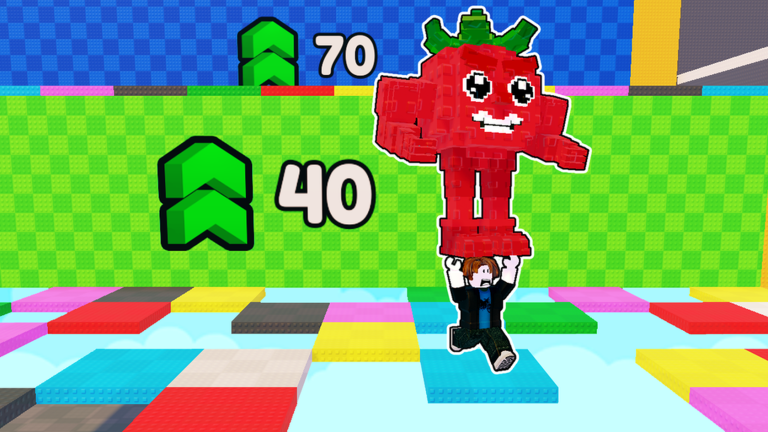
At its heart, Jump Color Block Steal Brainrots presents a deceptively simple premise. Players are tasked with navigating a series of color-changing block platforms, requiring quick reflexes to land on the correct color as indicated, or risk falling. The primary objective is to 'steal' various Brainrot characters found on these platforms. Each Brainrot collected must then be brought back to a player's personal base. Once placed, these Brainrots begin generating in-game cash over time, forming the backbone of the game's idle income system.
This cash is crucial for progression, primarily used to upgrade the player's 'jump power.' Increasing jump power allows access to higher, more challenging platforms and floors, which in turn house rarer and more lucrative Brainrots. As players ascend, they encounter environmental obstacles like spiky logs and moving boulders, adding a layer of challenge to the platforming. A distinctive, albeit controversial, element is the ability to 'steal' Brainrots directly from other players' unlocked bases. While this can be a quick way to acquire valuable Brainrots, it comes with risks: the thief is slowed, stripped of items, and the original owner is alerted, making them vulnerable to counter-attacks.
Strengths: Addictive Simplicity and Clear Goals
- Engaging Progression Path: The game offers a clear and satisfying sense of progression. Players always have a tangible goal, whether it's earning enough cash for the next jump upgrade, reaching a new floor, or saving up for a Rebirth.
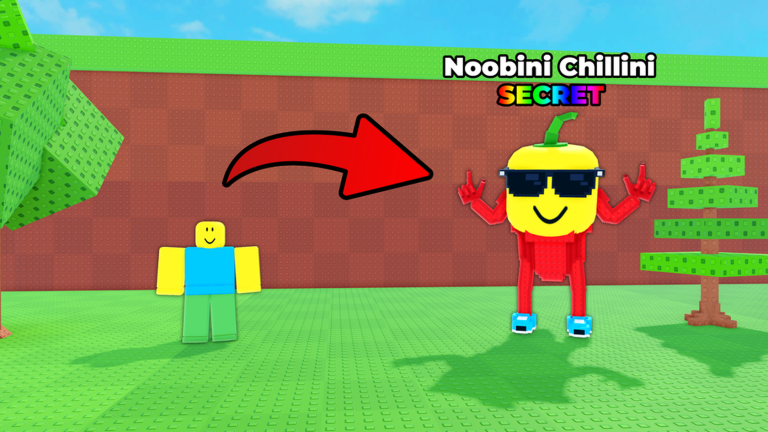
- Collecting Variety: The sheer number of Brainrot characters, categorized by rarity (Common, Rare, Epic, Legendary, Mythic, Brainrot God, Secret, and OG), provides a strong collecting incentive. Each Brainrot's rarity, traits, and mutations directly influence its cash generation, encouraging players to seek out the best combinations.
- Social Dynamics: The 'stealing' and 'gifting' mechanics, while potentially frustrating, introduce a layer of player interaction that can be both competitive and cooperative.
- Event-Driven Content: Periodic 'Admin Abuse' events and hourly events keep the game fresh by offering opportunities to acquire rare Brainrots or temporary luck boosts, adding excitement to the grind.
Weak Points: Frustration and Monetization Concerns
- Repetitive Gameplay: While the core loop is addictive, it can become repetitive over extended play sessions. The constant jumping and collecting, without significant variation in mechanics, might lead to burnout for some players.
- The 'Stealing' Mechanic: While a core feature, the ability for other players to steal hard-earned Brainrots can be a major source of frustration, particularly for younger players who may experience intense emotional responses to losing valuable items.
- Monetization Transparency: Some players have reported feeling 'scammed' by Robux purchases, specifically regarding Lucky Blocks that did not yield expected results. This lack of transparency or perceived unfairness can erode player trust.
- 'Brainrot' Aesthetic: The game's aesthetic and simple mechanics, while appealing to some, have led to criticism that it contributes to 'brainrot' content on the platform, with some finding the gameplay 'pointless' or 'boring.'
Progression and Monetization Analysis: The Rebirth Engine
The progression in Jump Color Block Steal Brainrots is heavily anchored by its Rebirth system. This mechanic is not merely an optional reset but an essential component for long-term advancement and retention. Rebirthing allows players to reset their money and Brainrot collection (though access to certain Brainrots, cosmetics, and account-wide bonuses are retained) in exchange for significant, permanent benefits.
Each Rebirth typically requires a substantial amount of cash and specific Brainrots, acting as a major milestone. In return, players gain permanent money-boosting multipliers, unlock new features, acquire additional items, and expand their base with more Brainrot slots. For instance, the second Rebirth adds a second floor to the base, and subsequent Rebirths further increase capacity, allowing players to hold up to 27 Brainrots at 18 Rebirths. The game also rewards players for completing the 'index' – collecting one of every Brainrot variant – with a cash multiplier increase, adding another layer to the collection-driven progression.
Monetization in Jump Color Block Steal Brainrots is multifaceted. Direct in-game purchases using Robux include items like '2x cash' boosts and VIP status, both of which enhance income generation. Lucky Blocks, purchasable with Robux, offer a chance at acquiring rare Brainrots, though the perceived value and actual returns can be inconsistent. The option to 'return to base' for Robux also highlights a convenience-based monetization strategy.
Beyond direct purchases, a significant real-money trading market exists for rare Brainrots. Top-tier Brainrots, especially those with rare mutations and stacked traits, can command substantial real-world prices, sometimes thousands of dollars. This external economy, while not directly controlled by the developers, underscores the high value placed on rare in-game items and can create pressure for players to engage in monetization to acquire them, or risk being left behind in the pursuit of the rarest Brainrots. This aspect, coupled with the game's addictive nature, has raised concerns among some parents regarding its impact on children.
Who the Game Suits
Jump Color Block Steal Brainrots is best suited for players who enjoy incremental progress, the thrill of collecting, and tycoon-style mechanics. Those who appreciate a clear, albeit repetitive, progression path and are motivated by seeing numbers grow will find satisfaction here. The competitive aspect of stealing Brainrots and striving for top leaderboard positions also appeals to players who thrive on social rivalry. Its simple controls and meme-inspired aesthetic make it particularly accessible and appealing to a younger audience, though parents should be aware of the game's potentially addictive qualities and the emotional responses tied to losing valuable in-game items.
Frequently Asked Questions
Q: How do I get stronger or progress faster in Jump Color Block Steal Brainrots?
A: To progress faster, focus on upgrading your jump power to reach higher floors where rarer and more valuable Brainrots can be found. Regularly collect cash from your Brainrots and, most importantly, perform Rebirths as soon as you meet the requirements, as Rebirths provide permanent income multipliers and unlock new features.
Q: What are 'Brainrots' and why are they important?
A: Brainrots are collectible characters in the game that, once placed in your base, generate in-game cash over time. They come in various rarities, and their value (cash generation rate) is influenced by their rarity, traits, and mutations. Collecting rarer Brainrots is key to increasing your income and advancing through the game.
Q: Is the 'stealing' mechanic fair, and how can I protect my Brainrots?
A: The 'stealing' mechanic is a core, competitive part of the game where players can take Brainrots from unlocked bases. To protect your Brainrots, ensure your base is locked. While a thief is slowed and alerted, a locked base prevents others from entering and stealing your valuable collection.
Verdict
Jump Color Block Steal Brainrots offers a compelling, albeit repetitive, journey through its unique blend of platforming and idle tycoon mechanics. The game's progression, driven by the essential Rebirth system, provides a clear and rewarding path for players dedicated to collecting rare Brainrots and maximizing their income. While the 'stealing' mechanic and certain monetization practices can be sources of frustration and concern, the game's addictive loop and constant pursuit of higher tiers ensure a strong retention rate for its target audience. For players who enjoy incremental progress, collecting, and a dash of competitive interaction, Jump Color Block Steal Brainrots remains a noteworthy, if occasionally contentious, experience on the Roblox platform in April 2026.
This article was compiled by the RoUniverse automation pipeline in April 2026 using publicly available sources and is kept up to date as new information becomes available.
Active Jump Color Block Steal Brainrots Codes (April 2026)
0 verified codes available for Jump Color Block Steal Brainrots · 8 unverified
This article was researched and generated using AI tools, then reviewed by the RoUniverse editorial team.