Why Play Style Changes Everything in Magic Loot
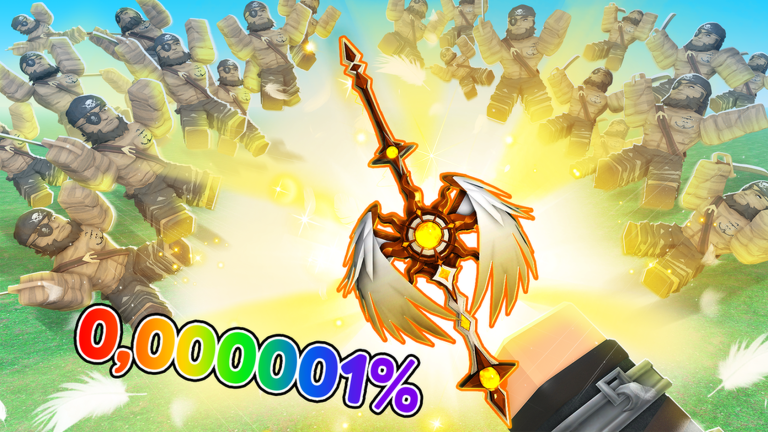
Magic Loot is a dungeon style action game where spells replace swords. You push through a tunnel packed with magical monsters, blast them with spells to grow your power, then sell their dropped loot for money so you can afford stronger gear and push deeper. That loop is deliberately grindy, and how you handle the grind shifts dramatically depending on whether you are running the tunnel solo or with a squad.
Both routes reach the same destination, better gear and richer loot tables, but they demand different priorities. Solo play rewards tight resource management, since every Potion you brew and every gold coin you spend is yours alone. Squad play rewards specialization, since shared damage output lets a group trade health for raw clearing speed. In October 2026, the players climbing fastest are the ones who recognize which approach suits their current Magic level and gear score, and who swap between them at the right moment.
Where Solo and Squad Runs Diverge
The core difference is how risk is distributed. In a solo tunnel run, your Magic stat is both your offense and your insurance, because higher Magic means fewer hits per monster, which means less health lost per chamber. In a squad run, your teammates soak hits alongside you, so raw Magic damage matters less than consistency and support timing. Loot economics split the same way. Solo players bank 100 percent of the money from selling drops, funding gear upgrades in larger, slower chunks. Squad players split the tunnel between them, but clear it faster and can rotate into deeper chambers that solo players reach only after many attempts.
Solo Run Strategy: Train First, Spend Second
When you play alone, the smartest opening move is investing early gold into Magic training rather than cosmetics or situational gear. Magic training compounds, and faster kills in the early chambers shorten every run that follows. Brew a standard Potion or a Training Potion before you enter the tunnel, not during it. Drinking before the first encounter keeps your health topped up for the opening swarm, and brewed Potions are always stronger than whatever you scrounge mid run.
Sell loot the moment you clear a chamber instead of hoarding it for a big payoff later. Immediate money lets you upgrade gear between chambers, and the compounding effect of earlier upgrades outweighs any bulk sell bonus. If you hit a boss chamber solo, budget at least two Potions. Bosses punish slow clears, so if your Magic training is behind the recommended level for that depth, retreat one chamber and farm instead of forcing the fight.
Adapting to Squad Play
Group runs change your rotation. Instead of dumping every spell on the first monster you see, hold your highest damage spell for elites and bosses while your teammates handle the trash mobs. Squad clearing speed is capped by the weakest link, so leveling your Magic alongside your friends before pushing deeper saves everyone from wasted runs. Split the loot you pick up by role rather than greed, and sell as a group so the team can pool money for shared upgrades.
Squad Potions are also different. With multiple players, healing items stretch further, but boss damage spikes still shred unprepared groups. Have at least one member carry extra Potions as insurance, and drink before the boss door, never after.
Suggested Roles for Team Runs
- Burst caster: Highest Magic stat in the group. Focuses spells on bosses and elite monsters so the team clears deep chambers quickly.
- Sustain support: Prioritizes Potion brewing and carries surplus healing. Keeps the squad alive through boss phases without wasted deaths.
- Loot runner: Sells dungeon drops promptly and funds gear upgrades for the whole group, accelerating the team's power curve.
When to Switch Between Solo and Squad
Switch to solo when your Magic level is far above the tunnel depth you are farming, since extra damage is wasted on a group and your personal loot share shrinks. Switch to squad when you hit a wall, meaning bosses one-shot you or chamber clears drain Potions faster than you can brew them. Seasonal events and limited time resource drops are also better tackled as a group, since faster clears mean more runs per session.
Frequently Asked Questions
Q: Does Magic training matter more than gear upgrades when I play alone?
Yes, for most of the tunnel. Magic training lowers the hits needed per monster, which cuts health loss and Potion costs on every chamber. Gear purchases should follow your training, not replace it.
Q: Which Potion should I brew before a boss chamber in a squad run?
Brew the strongest healing Potion available to you and drink it before the boss door. Squad bosses spike damage early, and pre-drinking guarantees full health at the start of the fight.
Q: Should I sell loot mid tunnel or save it for the end of a run?
Sell as you go. Immediate money funds gear upgrades between chambers, and earlier upgrades compound across the rest of the run.
Conclusion
Solo and squad runs in Magic Loot are not competing play styles, they are tools. Solo play maximizes your personal gold and rewards disciplined Magic training, while squad play accelerates deep tunnel progress through specialization and shared survival. Read your current stats honestly, pick the route that matches them, and swap the moment the tunnel stops giving. That flexibility is what separates steady progress from a stalled grind.
Active Magic Loot Codes (November 2026)
No verified active codes yet for Magic Loot; 9 unverified codes are being tracked.