Introduction to Solo and Squad Tactics in PAINT or DIE
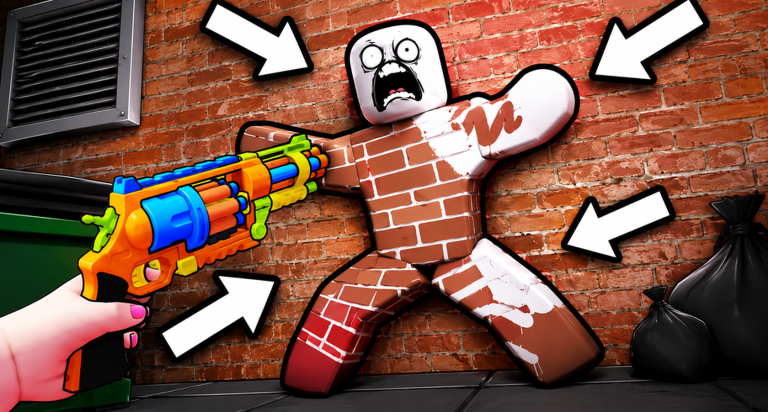
PAINT or DIE from Flip Flap Studios throws you into a high-stakes hide-and-paint battle where Criminals use paint to blend into surfaces while Sheriffs hunt for visual tells. The August 2026 meta emphasizes advanced paint-matching mechanics and minimap awareness, making your approach to solo versus squad play critical for survival. This guide explores the key differences between playing alone and with a team, offering specific strategies rooted in game mechanics like minimap dots, paint finish checks, and map-specific hiding spots. Whether you queue solo or coordinate with friends, adapting your tactics can turn the tide of each round.
Key Differences Between Solo and Group Play
Playing solo in PAINT or DIE means you bear full responsibility for your survival. Without teammates to relay Sheriff movements, you must rely on the minimap dot system, which flickers gray when your paint does not match the surface texture. Check your minimap dot every few seconds to avoid detection. In contrast, squad play allows role specialization, such as assigning a spotter to monitor the minimap for Sheriff positions and flickering dots from other Criminals. Solo players should prioritize low-traffic spots that require minimal repainting, while squads can take riskier positions because teammates can create distractions and call out threats. For example, on the School map, solo Criminals should avoid obvious spots like lockers and instead blend into matte walls with matching paint finishes.
Advanced Strategies for Solo Criminal Play
When playing alone, your primary tool is the minimap dot and paint finish inspection. Use the zoom feature to examine your character: glossy paint will reflect light on matte surfaces, giving you away, while matte paint appears dull on glossy metal beams in maps like the Warehouse. Choose hiding spots that are out of direct line of sight from common patrol routes. On the Office map, ceiling tiles and shadowed corners offer great concealment if your paint matches the texture. Always repaint immediately if your minimap dot flickers, indicating a mismatch. Solo players should also consider map size: on large maps like the Mall, stick to static spots with perfect paint blends, while on small maps like the House, you can move between safe spots when the Sheriff is distant.
Adapting Your Tactics in Squad Play
Group play thrives on communication and role coordination. Use voice chat or in-game signals to relay Sheriff movements. A spotter can watch the minimap and call out directions, such as "Sheriff heading to the north corridor," allowing hidden players to stay still or quietly repaint. Decoy players can intentionally show a flickering minimap dot to lure Sheriffs away from the main group. For instance, in the Park map, a decoy might repaint near a dappled bush to draw attention while others remain hidden. Squad tactics also involve splitting up across maps: in the Warehouse, remember that metal beams are glossy, so the spotter should track which Criminals use matte paint to avoid texture mismatches. If a teammate is caught, they should shout the Sheriff's location, giving others a chance to reposition.
Role Suggestions for Effective Team Play
Successful squads assign clear roles to maximize efficiency. The Spotter focuses on the minimap, calling out Sheriff positions and flickering dots from teammates. The Decoy intentionally repaints in visible areas to attract attention, then blends away. The Greenhead selects a challenging spot, like a complex texture in the Park map, and stays stationary all round. The Runner moves between safe spots only when the spotter confirms the Sheriff is far away. For Sheriffs in a squad, one player can zoom in on textures while another scans the minimap for flickers, creating a near-impossible environment for Criminals to hide. Role rotation based on map features, such as using glossy paint on metal structures in the Warehouse, can further enhance coordination.
When to Switch Between Solo and Squad Mindsets
Adaptability is key in PAINT or DIE. Even within a squad, if communication breaks down, treat the round as a solo run and rely on your own minimap checks and hiding skills. On large maps like the Mall, Sheriffs have more ground to cover, so use cautious, well-matched spots. On small maps like the House, take calculated risks with mobile hiding strategies. Switch from stationary to mobile play when the Sheriff has checked your area and moved on, but only if your minimap dot is stable. In lobbies with many Sheriffs, solo players should prioritize low-visibility spots, while squads can leverage decoys to divert attention.
Frequently Asked Questions
Q: How do I know if my paint finish matches a surface in PAINT or DIE?
A: Use the zoom feature to inspect your character's texture. Glossy paint will shine on matte surfaces, and matte paint will look flat on glossy metal. Additionally, monitor your minimap dot: if it flickers, your paint is mismatched, and you should repaint immediately or change position.
Q: What is the best map for solo Criminals to hide effectively?
A: The Office map offers ceiling tiles and shadowed corners that are less frequently searched by Sheriffs. Focus on blending into matte walls with matching paint finishes to avoid detection, and use the minimap to stay aware of patrol routes.
Q: How can squads counter Sheriffs who use texture scanning?
A: Assign a spotter to track Sheriff movements and call out when they are zooming in on surfaces. Decoys can repaint to create false signals, drawing Sheriffs away from hidden teammates. On maps with glossy surfaces like the Warehouse, ensure all Criminals use appropriate paint finishes to minimize mismatches.
Conclusion
Mastering solo and squad play in PAINT or DIE requires a deep understanding of paint-matching mechanics, minimap signals, and map-specific strategies. By adapting your tactics based on whether you play alone or with a team, and by assigning clear roles in groups, you can significantly improve your survival and detection rates. Remember to use the zoom feature for paint inspection, monitor your minimap dot closely, and choose hiding spots tailored to each map's layout. With practice, these strategies will help you dominate the August 2026 meta in this fast-paced hide-and-paint game.
Active PAINT or DIE Codes (September 2026)
No verified active codes yet for PAINT or DIE; 4 unverified codes are being tracked.