Introduction: A Social Game First
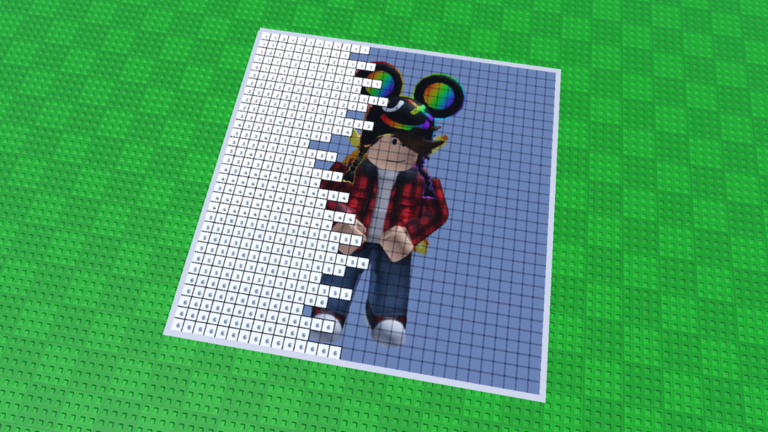
Paint your Friends! is a Roblox hide-and-seek game with one clever twist: you paint your avatar so it matches the walls, floors, and props around you. Rather than tucking behind a crate, you become the crate. Rounds split the lobby into hiders and seekers, hiders get a short window to blend in, and seekers get a limited timer to scan the map and tag everyone they can find. Coins flow out at the end of each round based on how long you survived or how many players you caught, and those coins go straight into cosmetic unlocks such as skins and poses.
This review looks at the game from a community angle, because that is where Paint your Friends! lives or dies. The loop itself is small on purpose. What keeps a paint-and-hide game running month to month is whether people show up together, talk to each other, and bring friends back. As of October 2026, the title sits in a quiet live-service window: there are currently none to redeem when it comes to promo rewards, and no rewards can be claimed yet for Paint your Friends!. This page is monitored and updates the moment codes drop.
Discord and Social Media Activity Level
The developer ecosystem around paint-style Roblox games is built on Discord first and Roblox groups second. In the wider genre, communities like the Trix Co. group and official Discord servers are where update announcements, milestone drops, and reward notices land before anywhere else. That pattern matters for Paint your Friends! because there is no in-game news feed carrying the load. If the Discord is quiet, the whole live-service layer feels quiet.
Practical advice for players: join the game's Discord and the linked Roblox community group, and turn on notifications. Developers in this space tend to publish new content around updates, player milestones, and holiday events, and those are exactly the moments when redemption rewards appear. Social media chatter tends to spike right after a map or cosmetic batch lands, then settle between updates.
In-Game Social Features Quality
The social design is the strongest part of the package. The title itself tells you who it is for: a group of friends who want to embarrass each other. Private servers exist, so a friend group can run rounds without strangers diluting the tension. Round structure naturally creates shared moments, because every hider is quietly betting that their color choice will fool the seeker, and every spectator knows exactly where the seeker is looking.
Compared with genre siblings like Paint and Hide or Paint and Seek, the core communication surface is simple: proximity to the map and the read of other players. There is no elaborate lobby hub or club system reported for Paint your Friends!, so most of the culture happens outside the game client. That is a strength for tight friend groups and a weakness for solo players who log in alone.
Trading Economy Health
There is no player-to-player trading system reported for Paint your Friends!. Coins are earned from rounds and spent in the shop on skins, poses, and cosmetics, which keeps the economy internal and predictable. Because unlocks are cosmetic only, there is no stat advantage on sale and no pay-to-win pressure. The trade-off is pace: shop prices outpace casual match earnings for players who only play a few rounds a night. Expect to unlock the cheapest cosmetics quickly and to feel the wall when you chase the premium items.
Toxicity and Moderation Issues
Friction points in this genre are predictable and mostly mechanical rather than social. The seeker role can feel unfair when well-camouflaged hiders disappear into busy maps, and a few fruitless rounds can sour a player's mood. That tension is design, not toxicity. Compared with competitive shooters or trading-heavy simulators, the social temperature here is low, because rounds are short, stakes are cosmetic, and most sessions are played with friends.
Players who prefer voice chat or large public lobbies may find the experience thin. Roblox's standard reporting and moderation tools apply, and nothing in the current evidence suggests a moderation problem specific to Paint your Friends!.
Content Creator Ecosystem
Paint-style games travel well on video platforms. Similar titles such as Paint and Seek have been covered by community channels on YouTube, and the format reads clearly on camera: a seeker scans a room, a hider holds perfectly still, and the reveal either lands as comedy or as a close miss. Paint your Friends! inherits that clip-friendly structure, especially in private servers where friends can stage close calls.
The creator scene is thinner than in marquee Roblox titles, though. There is no large wave of ongoing series reported for this game specifically, so most coverage is short-form and highlight-driven rather than a steady content pipeline.
Is the Community Welcoming to Newcomers?
Yes, with a caveat. Controls are minimal: move, paint, hide, or scan and tag. A newcomer understands the rules inside one round, and nobody's progress is set back by losing. The caveat is social: the game rewards groups, so a solo newcomer in a public lobby gets a quieter experience than a player who arrives with three friends.
- Best fit: friend groups, casual sessions, players who enjoy creative camouflage over combat.
- Worst fit: players seeking deep progression, ranked ladders, or a busy solo lobby experience.
- Entry tip: join the Discord and Roblox group so you see update announcements the moment they go out.
How the Reward Code System Works
Paint your Friends! uses the standard Roblox redemption flow seen across this genre: a dedicated Codes entry point in the interface, where a player types a string and confirms to receive coins. Codes are normally published by the developer around updates, milestones, and seasonal events, and they expire on a schedule, which is why lists shrink over time. There are currently none to redeem, so players must rely on match earnings for now. When new codes are released, they will appear in the live list on this page, so check back after major updates.
Frequently Asked Questions
Q: What is the main mechanic that sets Paint your Friends! apart from normal hide-and-seek?
You paint your avatar to match nearby surfaces, so hiding is about matching color and texture rather than finding cover. Seekers have to do genuine visual scanning instead of checking a list of hiding spots.
Q: Can Paint your Friends! be enjoyed without a friend group?
Yes. Public lobbies work fine and the rules are easy to learn, but the design clearly favors private servers with friends, where the teasing and near-miss moments carry the session.
Q: Are there any rewards to redeem in Paint your Friends! in October 2026?
There are currently none to redeem. This page is monitored and updates the moment codes drop, and no rewards can be claimed yet for Paint your Friends!.
Verdict
Paint your Friends! is a small, honest party game that does one thing well. Its camouflage painting loop creates readable, funny tension, its economy stays cosmetic and fair, and its private server support makes it a good pick for a friend group looking for a low-stress session. Weaknesses are equally clear: shallow map variety, a seeker role that can feel punishing against skilled hiders, and a slow cosmetic grind while the reward pipeline is empty.
Play it if you want creative stealth with people you know. Skip it if you need long-term progression, ranked structure, or a bustling solo lobby. As a live-service title it is currently between content beats, and the community angle will improve the moment the developer starts shipping new maps and fresh social events.
Active Paint your Friends! Codes (November 2026)
No verified active codes yet for Paint your Friends!; 10 unverified codes are being tracked.