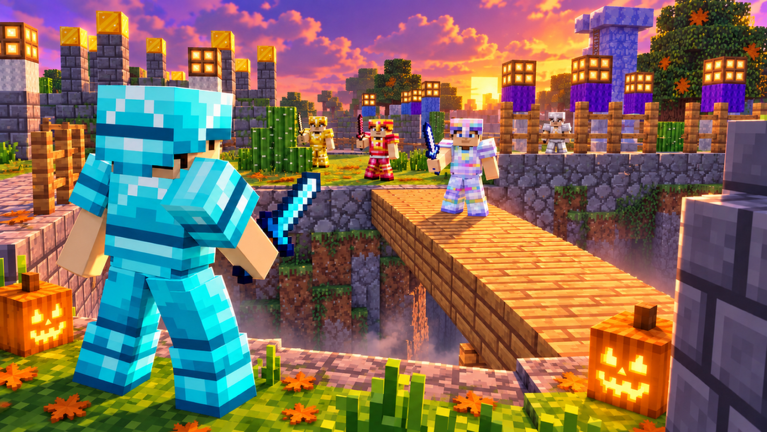
Portal based Roblox experiences reward players who understand the systems hiding underneath the flashy teleport effects. In PORTALS, and in games that share its design language like Portal Keeper, progress comes down to three things: reading the portal, building a roster that survives the wave, and spending resources at the right moment instead of hoarding forever. This guide breaks down the loadout decisions and route choices that separate stalled players from climbing ones.
Why the Sustain Build Beats the All Damage Build Early
The most common early mistake is stacking everything into damage and hoping the wave ends before your frontline collapses. Community strategy notes for Portal Keeper make the tradeoff explicit: if you fail the same wave three times, switch one role, not five units at once, and the missing piece is usually sustain or AoE. That single swap is more efficient than a full rebuild because fusion materials spent on a complete roster reset slow you down for the next portal tier.
The sustain build works best in the early portals, where waves are long and enemy pressure is steady rather than burst heavy. Your priority is keeping the frontline alive past the second wave, because weapon crafting only starts to matter once that survivability threshold is met. Think of the first few portals as a gear check for your roles, not your damage numbers.
When the AoE Loadout Is the Stronger Option
As portals open into harder tiers, enemy density changes the math. AoE focused roles clear groups faster and reduce the total damage your frontline absorbs over the wave, which makes them the better pick when you are pushing a new wave for the first time. The community rule of thumb applies here too: change one role at a time and retest. If your sustain build is already surviving two waves comfortably, swapping one damage role into an AoE slot is usually the upgrade that breaks the wall.
Higher ranks unlock harder portals and higher crafting tiers, so the AoE investment pays off twice: it clears the current wave and it prepares your roster for the next portal bracket you unlock.
Fusion Timing and Crafting Priority
Fusion is where most players either accelerate or stall. Lower tier duplicates should be fused into higher tier versions as soon as the fusion menu unlocks. Hoarding commons past your first core team is pure dead weight on your progression. Collect duplicates and material drops from portal milestones, then fuse immediately rather than banking them.
Weapon crafting has its own timing rule: craft when your roster has stable roles, because a weapon spike only moves the needle once your frontline survives two waves. Crafting before that point spends materials on damage you cannot deliver. Long term, plan fusion around events or patches that add new units, because saving everything indefinitely slows progression in a measurable way.
Reading Portals: Visual Cues and Activation Rules
Portals in Roblox range from simple doorways to scripted teleportation devices built in Roblox Studio with Lua, and the visual language is fairly consistent across titles. Glowing lights, swirling animations, and distinctive sound effects usually signal an interactive portal. Learn to scan for those cues instead of walking into every archway you see.
Some portals require specific actions first, such as pressing a key or completing a quest condition. Puzzle style portals gate access behind a series of tasks or conditions you must meet before teleporting to the next area, so arriving under equipped usually means a wasted run. Adventure and role playing titles like Tower of Hell, Adopt Me, and Jailbreak all use teleportation elements in different ways, but the underlying lesson is identical: check what the portal expects before you step through.
The Daily Loop That Keeps Ranks Climbing
Consistency beats bursts. The efficient daily loop is: clear the portals you can auto win for guaranteed materials, fuse duplicate units, enchant one priority weapon, then push exactly one new wave before logging off. Check your in game rank rewards after each session, because rank milestones are what open the next portal tier and the next crafting bracket. Pushing one new wave daily keeps your fusion economy flowing without draining materials you need for the next rank.
FAQ
Q: How many times should I retry a wave before changing my loadout in PORTALS?
Three failures on the same wave is the signal. At that point, swap one role instead of rebuilding the whole roster, and check whether sustain or AoE is the piece missing from your team.
Q: Should I fuse duplicate units or save them for later in Portal Keeper?
Fuse them as soon as the fusion menu unlocks. Holding commons past your first core team stalls progression, and saving everything for a hypothetical future patch slows you down more than a bad fusion ever will.
Q: When is the right moment to craft weapons in PORTALS?
Craft after your roster has stable roles and your frontline consistently survives two waves. Before that threshold, weapon damage does not change wave outcomes, so your materials are better spent on fusion and role coverage.
Conclusion
The players climbing fastest in PORTALS treat portals as a system, not a shortcut. Read the visual cues, gate your pushes behind stable role coverage, fuse duplicates immediately, and swap exactly one role when a wave stalls three times. Stack sustain early, layer in AoE once you survive two waves, and check rank rewards after every session so you always know which portal tier you are building toward. Do that loop daily and the progression curve flattens fast.
Active PORTALS Codes (October 2026)
No verified active codes are available right now for PORTALS.