What landed in Rocket Rush this month
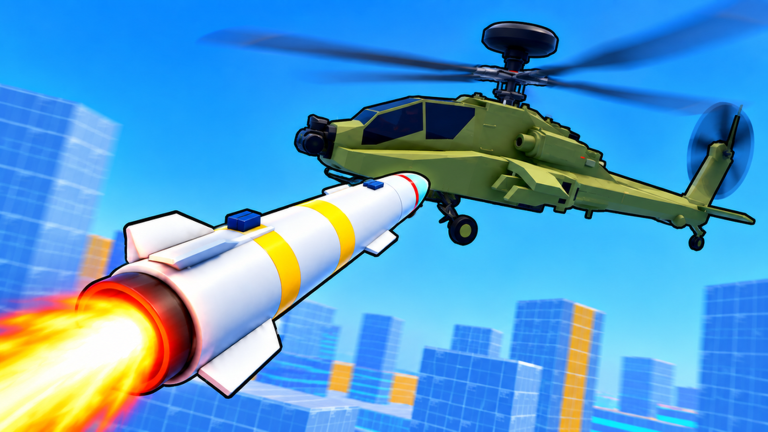
Rocket Rush, the rocket flight game by VOXELIFIED, got its biggest competitive talking point of October 2026 on October 3, when a wave of detailed coverage went live across the game's guide ecosystem. The headline feature under the microscope is Afterburn, described in the new breakdown as a set of boost mechanics covering burn timing, boost rings, fuel drain rates and pro throttle techniques. Alongside it, four companion pieces dropped the same day: an all trophies unlock guide, a base game overview covering fuel management, upgrades and rebirths, a blueprint guide laying out fuel-first upgrade order and pickup routing, and the standing tier list that ranks rockets and pets from S to C tier.
For a game where the entire loop is steer toward the crosshair, fire, manage limited fuel and survive the course, a boost system with its own drain curve is not a side feature. It changes how far a good run goes, and it changes which upgrade order pays off first.
What the meta looked like before
Before this Afterburn deep dive, the accepted competitive script for Rocket Rush was straightforward and almost entirely economy driven. Runs were built around coin-efficient progression: buy fuel capacity first, feed the early coin loop, bank rebirth tokens, and spend distance goals into trophies. Pickup routing mattered more than reflex, and throttle discipline was treated as a survival tool rather than a scoring one. The independent rocket-rush.wiki guide set frames the pre-update player plan the same way: prepare a course practice plan, make fuel decisions conservatively, and treat every unknown value as unconfirmed until the game itself proves it.
In practical terms, a cautious pilot who never touched a boost ring and simply conserved fuel was a safe pilot. Safe meant consistent, and consistent meant near the top of most public boards.
The specific changes the numbers describe
VOXELIFIED has not published a raw numeric balance table for this pass, so competitive players are reading the shift from the documented mechanics rather than from a changelog. What is documented is specific:
- Afterburn burn timing: a timed throttle window that the new guide treats as a skill check rather than a passive bonus.
- Boost rings: environmental pickups that now interact directly with the afterburn window instead of acting as simple speed pads.
- Fuel drain rates: burn output is now explicitly tied to fuel smart flight routes, so aggressive throttle has a measurable cost per second.
- Trophy milestones: distance goals, rebirths, upgrades and event rewards all feed the same milestone tracker, per the October 3 trophy walkthrough.
- Tier structure: the tier list still runs the full S to C range for rockets and pets, which means lower tier entries remain viable for early progression while S tier entries anchor optimized routes.
The scope of the October 3 drop is itself the version signal: four separate systems guides published on a single date, covering afterburn, trophies, base mechanics and blueprint build order.
Winners and losers: which builds rise and fall
Risers: fuel-first blueprints with a rebirth plan behind them. Because fuel drain now scales against throttle aggression, the pilot who banks fuel capacity early can afford to trigger afterburn on demand and still land with reserves for pickup routing. Trophy hunters also gain, since distance goals and event rewards feed the same milestone track.
Fallers: the pure conservation build. Holding a steady throttle through boost rings wastes the ring entirely, and the trophy track rewards distance, not restraint. Players who ranked highly by never risking a boost now face a mechanic that pays out for exactly the risk they avoided.
Held steady: anti-air and enemy target routes through World 1 and the World 2 Factory. The enemies guide still lists tanks, helicopters, planes and anti-air zones without confirmed health, attack or drop values, so no one can claim a combat nerf yet.
Adaptation tips for competitive players
- Rehearse the afterburn window in a low stakes course before taking it into a trophy run. Burn timing is called out as a technique, which means it is repeatable with practice.
- Sequence boost rings into your route so you cross them inside the afterburn window instead of before or after it.
- Keep the fuel-first upgrade order from the blueprint guide as your baseline, then layer throttle aggression on top once fuel headroom exists.
- Verify World 2 Factory access before committing a long session, since independent guides flag it as a place that still needs confirmation in the current beta.
- Track your own distance per rebirth rather than trusting a leaderboard screenshot. The trophy guide ties milestones to rebirths, upgrades and event rewards together.
Community reactions
The conversation is happening on the wikis rather than in one big Reddit thread, and the tone is cautious. The independent rocket-rush.wiki is openly running a record of details that still need confirmation in the current beta, and its enemies page deliberately leaves health, attacks and drops unclaimed instead of guessing. That editorial stance is a direct reaction to guide sites publishing confident numbers the game has not shown.
On the other side, rocketrushwiki.wiki pushed hard into coverage mode on October 3, 2026 with four same-day articles plus a tips and tricks section built around pro habits that add distance no upgrade can buy. Its community stance is that afterburn technique, not spending, is the new differentiator.
One practical warning players are circulating: do not mix up titles. Rocket Rush is VOXELIFIED's flight game, while Rocket Rush Simulator is a separate adventure game by Babble Games first released on April 4, 2022, whose own page was last updated October 6, 2026. October coverage gets cross-linked constantly, and rewards described for one game will not exist in the other.
FAQ
Q: When did the Rocket Rush Afterburn coverage go live?
The afterburn, trophies, base overview and blueprint guides were all published on October 3, 2026, which is the date competitive players are treating as the meta reset marker for the month.
Q: Does afterburn replace fuel management as the main skill in Rocket Rush?
No. Fuel drain rates are still the limiting factor, and the new guides describe afterburn as a throttle technique you spend fuel on, not a replacement for fuel smart flight routes.
Q: Which worlds are currently documented for competitive runs?
World 1 and World 2 Factory are the two documented worlds, with the Factory place identity flagged for verification by independent guides before players plan a first clear.
Q: Is Rocket Rush Simulator the same game as Rocket Rush?
No. Rocket Rush is VOXELIFIED's rocket flight game, while Rocket Rush Simulator is a separate Roblox adventure title by Babble Games released on April 4, 2022.
The bottom line
The October 3, 2026 guide wave turned Afterburn from a background mechanic into the defining competitive question in Rocket Rush. Boost rings and throttle timing now reward pilots who act, while pure fuel conservation quietly stops paying. Rebuild around fuel first, then spend that headroom on timed afterburn, and keep one eye on the trackers and wikis that flag unconfirmed beta values before you trust them.
Active Rocket Rush Codes (October 2026)
No verified active codes yet for Rocket Rush; 7 unverified codes are being tracked.