Introduction: The Garden That Grows With Community
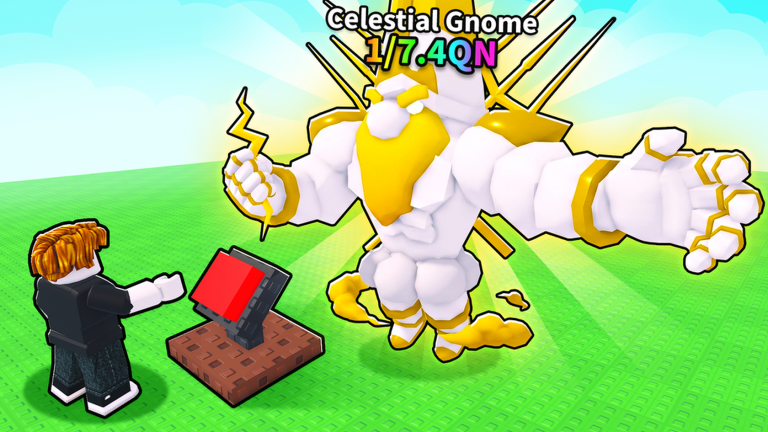
Roll A Gnome, developed by 8 Digit Bros, blends idle collection with gacha rolling in a cozy garden setting. While the core loop of rolling for rare gnomes, growing crops, and expanding your garden is engaging solo, the game's social ecosystem plays a subtle yet important role. This review focuses on how the community interacts through wikis, social media, and in-game features, based on current research from player resources and official channels. We'll explore whether Roll A Gnome fosters a welcoming environment or leaves players to fend for themselves.
Discord and Social Media Activity Level
The Roll A Gnome community is active across multiple platforms. Independent wikis like roll-a-gnome-wiki.wiki and roll-a-gnome.wiki serve as hubs for guides, code tracking, and updates. These sites show regular updates, such as an experience record change noted on August 11, 2026, indicating ongoing developer attention. Community posts from platforms like Roblox forums and YouTube channels, referenced in the wikis, demonstrate player engagement through gameplay videos, such as "Roll a Gnome in Roblox" and "CAN I BECOME THE RICHEST PLAYER ON ROLL A GNOME?". While no official Discord server is mentioned in the evidence, the presence of fan wikis and community content suggests a grassroots social scene where players share tips and experiences.
In-Game Social Features Quality
Roll A Gnome's in-game social features are limited but functional. The game does not emphasize direct player interaction like trading or co-op; instead, the social aspect emerges from showcasing gardens. Players can visit each other's gardens to view collections, though this is not heavily promoted in the research. The wiki mentions garden expansion and gnome placement, which indirectly encourages social comparison. However, the evidence does not highlight robust in-game chat or social hubs, meaning most community interaction happens externally through wikis and social media. This keeps the focus on personal progression but may leave players seeking deeper social engagement wanting.
Trading Economy Health
There is no player-to-player trading system in Roll A Gnome. The in-game economy revolves around growing and selling crops for money, which is then used to roll for gnomes or expand gardens. From the wiki, crops have defined growth times and sale values, and gnomes are obtained via rolling with odds that require in-game verification. The economy is self-contained and balanced around patience and luck. Duplicate gnomes are typically sold or used, but no evidence suggests a trading market exists. This keeps the economy fair but solitary, as players cannot exchange items directly, relying instead on individual progress.
Toxicity or Moderation Issues
Based on the provided research, there are no reported toxicity or moderation issues in Roll A Gnome. The community posts mentioned are positive, focusing on gameplay achievements and guides. The wikis provide a supportive environment with beginner guides and cautionary notes about misinformation, such as avoiding invented tier orders for gnomes. The game's description and player reviews on Rolimon's show a high rating of 93.060%, indicating overall player satisfaction. While no explicit moderation systems are detailed, the absence of negative reports suggests a generally safe and positive community space.
Content Creator Ecosystem
Content creation around Roll A Gnome is thriving, as seen in the community posts. Players create videos on platforms like YouTube, sharing gameplay highlights and guides. Examples from the wikis include series like "Roll a gnome part.1" and "I PLAYED ROLL A GNOME!". These creators help new players understand mechanics like offline growth and luck bonuses. The wikis themselves act as content hubs, offering tier lists, scripts overviews, and progression planners. This ecosystem supports player retention by providing resources that fill gaps in in-game information, such as exact odds and timers.
Is the Community Welcoming to Newcomers?
Yes, the community appears welcoming to newcomers. The wikis prioritize beginner guides, such as the Roll A Gnome Beginner Guide, which walks players through their first session. The free +100% luck bonus for liking the game and joining the official group is a smart incentive that eases early progression. Community posts focus on sharing experiences rather than gatekeeping, and the absence of toxicity points to a friendly atmosphere. New players might feel overwhelmed by the lack of clear in-game explanations for mechanics, but the active wiki community bridges this gap effectively.
Progression and Monetization Analysis
Progression in Roll A Gnome is driven by money accumulation and rare gnome rolls, with offline growth ensuring steady advancement even when logged out. The wiki emphasizes strategies like maintaining a money reserve and setting stop conditions for rolling, highlighting the game's patient grind. Monetization includes game passes like the Lucky Rolls pass, which can reduce RNG frustration, but nothing is pay-to-win. The free luck bonus for social engagement offers a fair alternative to spending Robux. Overall, monetization is fair but tuned for players who enjoy long-term collection goals rather than quick wins.
FAQ
Q: How does the offline growth system work in Roll A Gnome?
Offline growth allows crops to continue growing while you are not playing, so you return to sellable produce. The wiki notes that exact caps and timers are not clearly stated in-game, so community guides help verify these details.
Q: What is the best way to handle duplicate gnomes in my collection?
Duplicate gnomes are usually sold for money or used as currency, though handling can vary by version. The wiki advises checking current game mechanics, as inventories and odds may change.
Q: Are there any social features for visiting other players' gardens?
Players can visit gardens to view collections, but this is not a core feature. Most social interaction occurs through external wikis and community posts rather than in-game systems.
Verdict: A Cozy Solo Experience With External Community Support
Roll A Gnome excels as a relaxed idle game with a satisfying collection loop, but its social ecosystem is primarily external. The in-game features are minimal, pushing players to wikis and social media for community engagement. For those who enjoy solitary progression with occasional community tips, it's a great fit. However, if you seek deep social interaction or trading, you might find it lacking. The community is welcoming and resourceful, making it accessible for newcomers willing to use external guides. As of September 2026, there are no active codes to redeem, but the system is in place for future rewards. Overall, Roll A Gnome offers a chill, strategic grind backed by a supportive community, ideal for players who value patience and collection over real-time social play.
Active Roll A Gnome Codes (September 2026)
No verified active codes are available right now for Roll A Gnome.