Split or Steal Brainrot: Navigating the High-Stakes Trust and Betrayal Loop (May 2026)
In the ever-evolving landscape of Roblox experiences, some games capture attention not with sprawling worlds or complex mechanics, but with a simple, yet profoundly engaging social dilemma. Split or Steal Brainrot, a game rooted in the viral 'brainrot' meme culture, stands out as a prime example. This review delves into its core gameplay, progression, monetization, and overall appeal as of May 2026, focusing on how its unique trust-or-betrayal loop defines the player experience and drives retention.
The Core Gameplay Loop: A Test of Trust and Greed
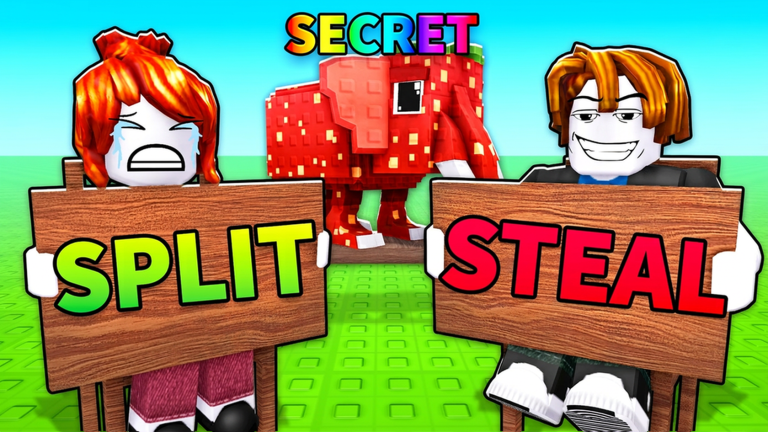
At its heart, Split or Steal Brainrot presents players with a straightforward, high-stakes decision-making scenario. Players sit at a table, often with a stranger, and are presented with a reward, typically a sum of in-game currency or 'brainrots'. Simultaneously, both players must choose one of two options: 'Split' or 'Steal'.
- If both players choose to Split, the reward is divided equally between them, and both walk away with a portion of the prize. This outcome fosters a sense of cooperation and mutual benefit.
- If one player chooses to Steal and the other chooses to Split, the player who chose to Steal takes the entire reward, leaving the splitting player with nothing. This is the ultimate act of betrayal, often leading to strong emotional reactions from the victim.
- If both players choose to Steal, neither player receives any reward, and both lose out. This outcome highlights the risks of mutual distrust and greed, often resulting in frustration for both parties.
This simple mechanic creates an incredibly dynamic and often chaotic social environment. Each round is a psychological battle, forcing players to weigh the potential for a shared gain against the allure of a larger, selfish reward, all while anticipating their opponent's move. The quick, repetitive nature of these decisions forms the addictive core of the game, making it easy to jump into "just one more round".
Progression and Retention: Climbing the Leaderboards
Progression in Split or Steal Brainrot is primarily tied to the accumulation of in-game currency and the subsequent upgrading of one's character or profile. Successful 'splits' or 'steals' contribute to a player's overall wealth, which can then be used to enhance their in-game presence. While the game doesn't feature a complex 'Rebirth' system like some other 'Brainrot' themed games, it does offer avenues for players to invest their earnings. Players can upgrade their characters, which likely provides cosmetic changes or minor statistical advantages, and strive to climb the global leaderboards. The desire to see one's name among the top players, fueled by strategic (or lucky) decisions, serves as a significant retention driver. The game's community also engages in discussions around strategies to maximize winnings and achieve higher rankings, sometimes involving trusted friends to ensure consistent 'splits' for rapid accumulation.
Strengths: The Thrill of the Gamble
The primary strength of Split or Steal Brainrot lies in its raw, unfiltered social interaction. The game distills the classic prisoner's dilemma into a fast-paced, accessible Roblox experience. This creates:
- Intense Psychological Engagement: Every decision is a gamble on human nature. The anticipation of whether an opponent will cooperate or betray is genuinely thrilling.
- High Replayability: The quick rounds and unpredictable outcomes mean no two sessions are exactly alike. Players are constantly learning, adapting, and reacting to different opponents.
- Meme-Driven Humor: The 'brainrot' aesthetic, characterized by bizarre, AI-generated meme characters, adds a layer of absurdist humor that resonates with a younger, internet-savvy audience.
- Strong Social Dynamics: The game encourages communication (or lack thereof) and creates memorable moments of both camaraderie and dramatic betrayal, which are often shared and discussed within the community.
Weak Points: The 'Brainrot' Can Be Real
Despite its addictive qualities, Split or Steal Brainrot is not without its drawbacks:
- Frustration from Betrayal: While the thrill of stealing is a draw, being repeatedly betrayed can be incredibly frustrating and lead to players quitting sessions prematurely. The game's design inherently encourages this negative interaction.
- Repetitive Core Mechanic: For some players, the novelty of the 'split or steal' decision might wear off, leading to a feeling of repetitiveness over extended play sessions. The lack of diverse game modes or objectives beyond accumulating wealth could limit long-term engagement for those seeking more variety.
- 'Brainrot' Aesthetic: While a strength for its target audience, the intentionally low-effort, meme-centric visuals and themes might be off-putting to players looking for more polished or traditional Roblox experiences.
Monetization Analysis: Luck, Upgrades, and the Leaderboard Chase
Split or Steal Brainrot, like many popular Roblox games, incorporates monetization to support its development and offer players ways to enhance their experience. While specific in-app purchases (IAPs) are not explicitly detailed in all public sources, the game's monetization likely revolves around speeding up progression and offering cosmetic or luck-based advantages. Hints from gameplay discussions suggest that Robux might be used to acquire "bonus luck" or to accelerate the accumulation of wealth needed for significant upgrades or leaderboard aspirations. The game's overall monetization performance, including daily IAP net revenue and average revenue per daily active user, indicates a successful model. However, the exact balance between free progression and paid advantages is crucial for maintaining a fair and engaging experience for all players.
Who the Game Suits: Gamblers, Socializers, and Meme Enthusiasts
Split or Steal Brainrot is best suited for players who:
- Enjoy social deduction and psychological games where player interaction is central.
- Are comfortable with high-stakes gambling and the potential for both significant gains and frustrating losses.
- Appreciate the chaotic and often humorous nature of internet meme culture.
- Seek quick, engaging play sessions rather than deep, long-term narratives or complex skill-based gameplay.
- Are motivated by competitive leaderboards and the desire to accumulate in-game wealth.
FAQ
Q: What is the main objective in Split or Steal Brainrot?
A: The main objective is to accumulate as much in-game currency or 'brainrots' as possible by making strategic 'Split' or 'Steal' decisions against other players, and then using that wealth to upgrade your character and climb the leaderboards.
Q: How does the 'Split or Steal' mechanic work?
A: Two players simultaneously choose to 'Split' the reward (both get half), 'Steal' (one takes all if the other splits), or both 'Steal' (neither gets anything). It's a test of trust and betrayal.
Q: Can I play Split or Steal Brainrot with friends?
A: Yes, playing with friends can be a strategic advantage, as you can coordinate 'splits' to consistently accumulate wealth, though the temptation to betray a friend for a larger payout always looms.
Verdict: An Addictive, If Repetitive, Social Experiment
Split or Steal Brainrot, in May 2026, continues to thrive on its deceptively simple yet deeply engaging core mechanic. It's a game that taps into fundamental aspects of human psychology: trust, greed, and the thrill of the gamble. While its 'brainrot' aesthetic and repetitive nature might not appeal to everyone, its ability to generate intense social interactions and unpredictable outcomes makes it a compelling experience for its target audience. The progression system, centered around accumulating wealth and climbing leaderboards, provides enough motivation to keep players returning for "just one more round." For those who enjoy quick, high-stakes social games and don't mind the occasional betrayal, Split or Steal Brainrot offers an undeniably addictive, albeit sometimes frustrating, slice of Roblox fun.
This article was compiled by the RoUniverse automation pipeline in May 2026 using publicly available sources and is kept up to date as new information becomes available.
Active Split or Steal Brainrot Codes (May 2026)
0 verified codes available for Split or Steal Brainrot · 30 unverified
This article was researched and generated using AI tools, then reviewed by the RoUniverse editorial team.