Introduction to Mutation-Driven Strategies
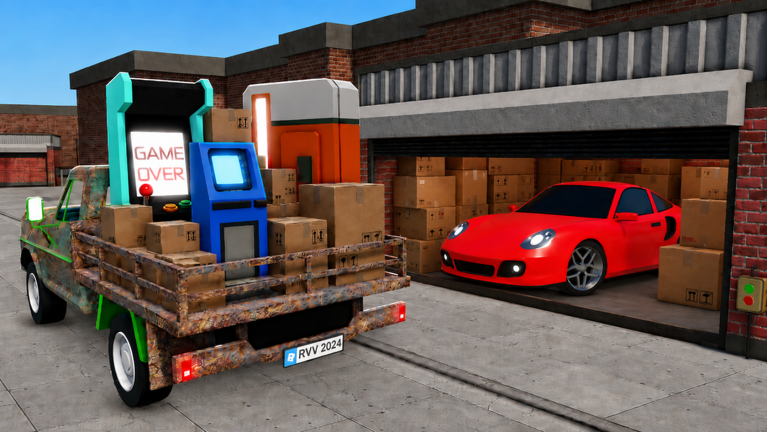
Storage Hunters: Open World, developed by Absolute Zero!, thrives on high-stakes auctions where lockers contain items with varying mutation multipliers that determine value. The Void mutation currently holds a 35x multiplier, making it the top confirmed value, while Hologram, Chrome, and Timeless mutations form a high-value band below it. Secret and Rainbow mutations lack numeric values in the community table, adding risk. Success requires adapting your approach based on whether you play solo or in a squad, with focus on mutation evaluation, quest farming, and auction tactics.
Key Differences Between Solo and Squad Approaches
Solo play grants full control over every decision, from bidding on lockers to selling items, but it also means bearing all risks alone. You must carefully manage cash flow and avoid unconfirmed mutations like Secret or Rainbow unless starting bids are minimal. In contrast, squads can divide tasks and pool funds, allowing bids on expensive lockers that solo players might skip. Squads also share risks when testing unknown mutations, and they can coordinate using the mutation table from the player hub to target high-value opportunities. The core difference lies in risk tolerance and resource allocation: solo play is methodical and conservative, while squad play enables aggressive, coordinated bids.
Best Strategies for Solo Players
When playing alone, prioritize steady income through NPC quests like Forecourt Cleanup and the basketball quest. These repeatable quests provide cash without relying on auction luck, helping you build a bankroll for strategic bids. Focus on lockers with known mutation multipliers, such as Void at 35x, to maximize item value. Use the player hub's source tracker to check the latest mutation table and profit loops before each session. Avoid bidding on Secret or Rainbow lockers unless the price is very low, as their values remain unconfirmed. When selling, list items with Hologram, Chrome, or Timeless mutations quickly to maintain cash flow. Always scout locker conditions visible in the auction yard to estimate mutation value, and manage your bid to stay within budget.
Adapting Strategies for Group Play
In a squad, leverage teamwork to target bigger prizes. Assign players to specific roles: one monitors the mutation table and calls out lockers with Void or high-value band mutations, another manages the auction timer and shared wallet, and a third handles the shop listing. This reduces downtime and allows bidding on multiple lockers simultaneously. Squads can experiment with Secret or Rainbow mutations by pooling small bids, as the loss is shared. Use the official Discord server for real-time coordination, especially during rare auction events when player count spikes. Focus on profit loop comparisons from the player hub to identify demand for specific mutation types, and adjust bids based on market trends.
Role Suggestions for Optimal Team Play
For a three-player squad, assign the following roles: the Scout examines locker conditions and estimates mutation value using the community table, the Bidder watches the auction floor and manages the shared budget to decide when to raise or fold bids, and the Seller stays at the shop to list items immediately after purchase. If you have a fourth player, make them the Runner, who completes quests like Forecourt Cleanup or the basketball quest to generate steady cash during auctions. Rotate roles each session to ensure everyone learns the full loop. This specialization minimizes inefficiencies and maximizes profit potential by covering all aspects of the game from scouting to selling.
When to Switch Between Approaches
Your play style should shift based on goals and game conditions. Solo play is ideal for daily questing and building a safe bankroll, especially when saving for items like a gavel trophy or auction pass. Switch to squad play during weekends or events when player count increases and lockers become more competitive, as squads can handle higher bids and share risks. Monitor the source tracker for updates to the mutation table, and adjust your route if new multipliers are confirmed. If profit loop comparisons show strong demand for a specific mutation type, coordinate with a squad to target those lockers. Use solo play for low-risk farming and squad play for high-reward auctions.
Frequently Asked Questions
Q: What is the current multiplier for Void mutations in Storage Hunters: Open World?
A: According to the latest community table from the player hub, the Void mutation carries a 35x multiplier, making it the highest confirmed value for optimizing auction bids and sales.
Q: How can I earn extra cash between auctions without relying on luck?
A: Focus on repeatable NPC quests such as Forecourt Cleanup and the basketball quest. These provide steady income by completing specific tasks in the game world, independent of locker outcomes.
Q: Should squads risk bidding on Secret or Rainbow mutations in auctions?
A: Squads can consider small, shared bids on Secret or Rainbow lockers if the starting price is low, as the risk is divided. However, since these mutations lack confirmed numeric values, base decisions on the latest community table and auction trends to avoid losses.
Conclusion
Mastering Storage Hunters: Open World requires adapting strategies to mutation values and play style. Solo players should emphasize quest farming and low-risk bids on confirmed multipliers like Void, while squads can leverage role specialization and shared resources for aggressive plays. Always reference the mutation table from the player hub and adjust based on market conditions to maximize profits. Whether playing alone or with friends, focus on the core mechanics of scouting, bidding, and selling to thrive in the auction yard.
Active Storage Hunters: Open World Codes (September 2026)
No verified active codes are available right now for Storage Hunters: Open World.