Introduction: The Cheapest Streaming Rig on Roblox
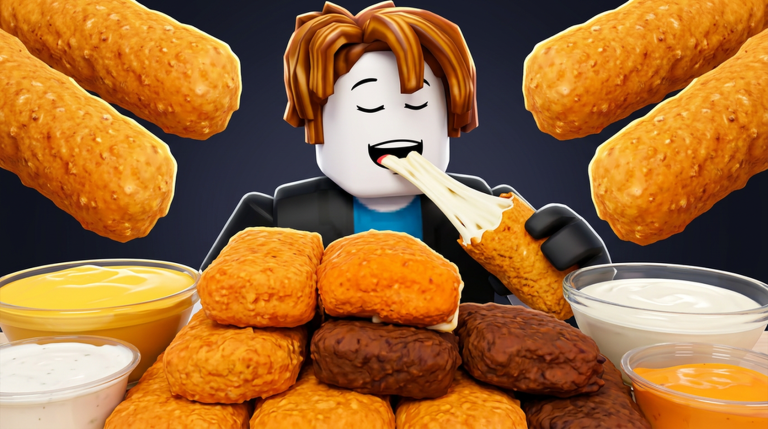
Stream a Cheese Pull asks a simple question of its players: can you build a cheese filming empire without spending a single Robux? In this October 2026 review, we look specifically at free-to-play viability and monetization fairness, because this is a game where the entire progression ladder is built out of two objects, desks and crates, and where the developer leans heavily on a code distribution system to hand out boosts. The loop is exactly what it sounds like. You film a cheese pull on a desk, viewers watch, you earn Cash, and you reinvest that Cash into a better setup. Desks serve as your streaming stations, and crates contain cheeses and random desks that let you upgrade those stations. It is a dairy-focused take on the streaming simulator genre, and it is more disciplined about its economy than its goofy premise suggests.
How the Monetization Model Actually Works
Available coverage of Stream a Cheese Pull is dominated by its economy rather than by any storefront, which itself tells you something about where the pressure points sit. Everything documented in recent sources is tied to in-game Cash: desks raise your earning rate per pull, crates supply the cheeses you stream and the desks you deploy, and helper units such as fast workers are framed as accelerants for your setup. The game is free to enter, and there is no evidence in current sources of a mandatory purchase gate blocking core content. Where the model gets interesting is that crates are randomized. Opening one nets a desk, and that desk could be a low tier or a genuinely high tier that would ordinarily arrive much later in a normal playthrough. That randomness is the same mechanic that makes loot-style systems feel generous on a lucky day and stingy on an unlucky one.
What Free Players Can Reach Without Paying
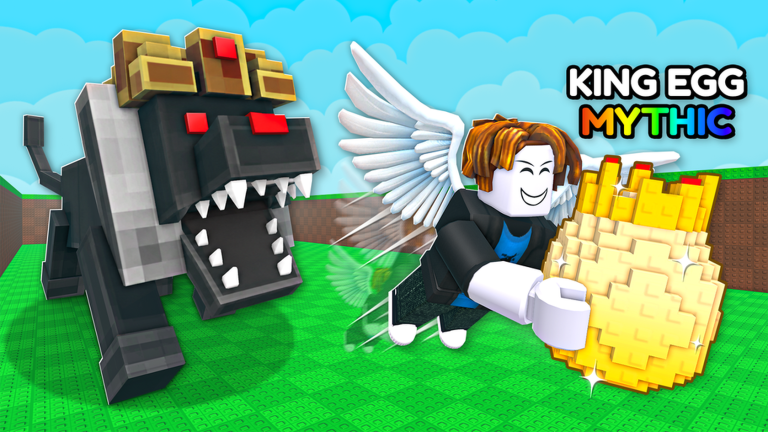
Practically everything that defines progress is reachable for free. Your first streaming rig comes from the tutorial, which walks you through acquiring a stream setup and buying your first crates of cheese. From there, Cash earned from cheese pulls buys more crates and better desks, and the shop menu on the left side of the screen is where all of that happens. Reward types circulated by the developers in the past include companion pets like a cat, cosmetic-leaning collectibles such as a dino egg, and functional boosts like a fast worker. None of these appear to sit behind a hard paywall in the sources we reviewed. The real question is not access, it is tempo. Free players get everything, just later, and that gap is where the fairness argument lives.
The Grind Wall: Where Patience Gets Tested
The honest friction point is the opening stretch. Your starter desk earns slowly, and until you land a meaningfully better desk from a crate, every session feels like you are streaming to a nearly empty room. Because crates are random, progression is uneven by design: one lucky pull can skip you ahead several tiers, while a string of low rolls can leave you grinding pulls for a long stretch with no visible change. There is also a depth ceiling. The core action stays the same from minute one to hour ten, so retention depends almost entirely on watching numbers climb. Players who need events, side modes, or strategic layering to stay engaged will hit a wall here faster than players who are content with incremental growth.
Cosmetic or Power: What Each Purchase Is Really Buying
The reward taxonomy splits fairly cleanly. Desks and fast workers are power purchases, since they directly change how much Cash your streams generate and how quickly your setup runs. Pets and collectible eggs sit on the cosmetic side, functioning as visible proof of progress rather than raw income. That split matters for fairness, because it means the strongest items in the game are the ones you can grind toward, not the ones you are most encouraged to buy. It is a healthier arrangement than many Roblox simulations, where the biggest upgrades are routinely locked behind premium currency. The caveat is that current sources do not fully document the developer's Robux storefront, so free players should watch for tiered desk bundles as the game matures.
Codes as the Free Player Safety Net
Codes are the single most important free-to-play support system in Stream a Cheese Pull, and understanding how they work explains a lot about the game's economy. Redemption happens in the shop menu: scroll to the bottom, enter the code in the box, and confirm. Codes are not case-sensitive, so capitalization never costs you a reward. The developer has historically distributed them around updates and community pushes, including video coverage from creators walking new players through the current content. As of this review there are none to redeem for Stream a Cheese Pull, so no rewards can be claimed through that channel right now. This page is monitored and updates the moment new ones drop, and they will appear in the live list below when released. Codes expire for standard live-service reasons: they are time-boxed promotional hooks tied to update windows, they are capped in circulation, and retiring old strings keeps the reward flow pointing at new content instead of stale launches. For a free player, redeeming early is the difference between a slow start and a desk that would have taken hours to earn.
How It Compares to Genre Norms
Against other Roblox streaming and simulation titles, Stream a Cheese Pull is narrower and less punishing. It does not bury its upgrade path behind multiple currencies or layered prestige systems, and its tutorial gets you productive inside the first minute. What it trades away is variety. Rivals in the genre usually pad retention with unlocks, maps, or events; this game bets entirely on the satisfaction of a better desk. That makes it a cleaner free-to-play experience, but a thinner one.
FAQ
Q: How do you redeem codes in Stream a Cheese Pull?
Launch the game in the Roblox client, complete the tutorial by setting up your stream and buying a few crates of cheese, then open the shop menu from the left side of the screen. Scroll all the way down, type the code into the box at the bottom, and press redeem. Codes are not case-sensitive, so a lowercase entry works just as well as the uppercase version.
Q: Why do Stream a Cheese Pull rewards expire so quickly?
Codes are promotional tools tied to update cycles and creator pushes, so developers retire them to keep incentives pointed at current content. They also get pulled when a distribution run is complete or when a reward would distort the progression curve for new players joining later. Checking a monitored page before you start a session is the reliable habit.
Q: Can a crate actually skip me ahead in desk progression?
Yes. Crates contain a random desk, and documentation of the system notes that a crate can hand a newcomer a high-tier desk that would normally be earned much later in a playthrough. That variance is also why a string of low rolls can slow you down, which is exactly what makes the free-to-play experience swingy rather than steady.
Verdict
Stream a Cheese Pull is fair for free players in structure and slightly stingy in pacing. Nothing essential is walled off, the desk and crate loop is transparent, and the code system is a genuine equalizer for anyone willing to check in before they play. What holds it back is monotony: the same cheese pull, repeated, with progression riding on randomized desk rolls rather than new mechanics. Play it if you want a low-stress numbers-go-up simulator with a genuinely goofy theme and a forgiving economy. Skip it if you need more than one button and a dream. For free players specifically, this is worth your time, provided you keep an eye on the code list for the occasional desk that saves you an hour of grinding.
Active Stream A Cheese Pull! Codes (October 2026)
No verified active codes yet for Stream A Cheese Pull!; 6 unverified codes are being tracked.