Surf And Rescue is built around a simple loop: grab an animal, hold it, decide whether to release it, then reinvest what you earned into training and your pool. That loop plays completely differently when you are grinding alone compared to when you are running with a group. The video guide from VendoPlus walks through the full beginner loop, and a separate community upload chasing the number one leaderboard spot shows where the real competition lives. This guide compares both paths so you can pick the approach that fits how you actually play.
Why Solo and Squad Sessions Reward Different Habits
When you play alone, your attention is entirely on the catch timing. You hold the animal, you stop at the right moment, and you repeat. Every second you spend idle is a second nobody else is spending for you. The VendoPlus guide points out that you can enable the auto clicker on the left button, which is the single biggest time saver in a solo session because it removes the manual clicking burden while you focus on the release decision.
When you play with a group, your personal clicking speed matters less than how the group splits the work. One person can stay in the catching rhythm while others bank time into training and pool upgrades. The catch loop still runs, but the growth side of the game gets attention at the same time instead of after you stop playing.
The real difference: attention budget
- Solo: your attention budget is spent on catch timing, the stop moment, and choosing when to release.
- Group: your attention budget shifts toward upgrading, training, and keeping the loop running without you personally babysitting every click.
Best Strategies When You Are Playing Alone
Turn on the auto clicker for the left button before you start your first catch. In the VendoPlus walkthrough the presenter enables it early so the clicking never becomes the bottleneck. With that handled, your only real decision is when to stop the catch and whether the animal is worth keeping or releasing.
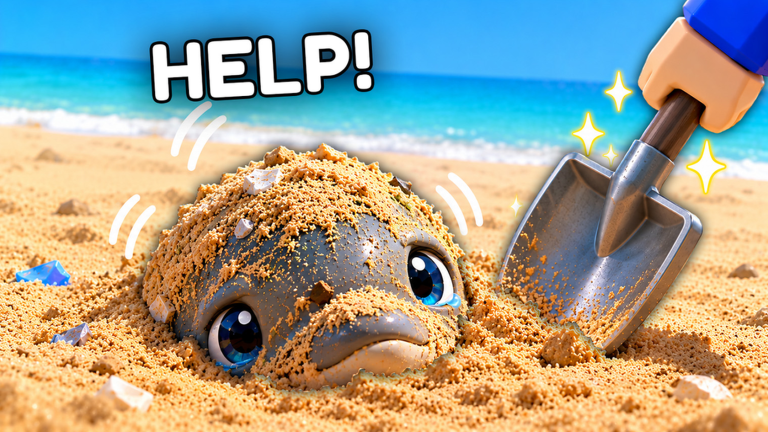
Watch the release moment closely. The guide shows a crab being caught and then released, which is a good example of treating animals as currency rather than trophies. If you are chasing leaderboard position, a release that funds a pool upgrade or a training session is usually worth more than holding the animal for no gain.
- Enable auto clicker on the left button before your first attempt.
- Run the catch and stop sequence on repeat while you build a rhythm.
- Release animals like the crab when the payout funds your next upgrade.
- Spend downtime on training and pool upgrades instead of idle catching.
Do not skip the pool
The guide specifically calls out that you can upgrade the pool if you want. Pool upgrades are the offline edge you build for yourself. In a solo session you have no teammate to lean on, so the pool and your training are the only things improving while you are between catches.
How to Adapt When You Are in a Group
Group play changes the priority order. Instead of doing every upgrade yourself after each catch, keep the catch loop moving and let the group absorb the upgrade work. The leaderboard chasing video from the community side makes the goal clear: consistent volume over a session beats a few perfect solo catches.
Set a simple handoff rule. One player stays in the catching rhythm, and the others cycle between training and pool upgrades. This keeps the loop alive while the growth side of the account keeps climbing. Rotate the catcher role so nobody burns out on the repetitive stop timing.
Role Suggestions for Team Play
- Catcher: owns the auto clicker and the stop timing, and calls out when a release is worth banking.
- Upgrader: converts released animals into pool upgrades and keeps the pool level rising for the whole group.
- Trainer: sits in the training area and keeps sessions running so raw stats do not stall between catches.
Three roles cover everything the game exposes in the current loop. If you are short a player, fold the trainer role into the upgrader and keep the catcher untouched.
When to Switch Between Approaches
Switch to solo mode when you are close to a specific leaderboard push and you need clean, uninterrupted catch timing. Switch to a group setup when you are underleveled for your next stretch, because training and pool upgrades are faster with someone else handling them while you keep catching.
A good rule of thumb: if your last few sessions produced animals but no meaningful upgrade progress, you have been playing too much like a solo player in a game that rewards splitting the work.
Frequently Asked Questions
Q: Should I leave the auto clicker on the left button running the entire session?
Yes for solo play. The VendoPlus guide enables it early precisely so clicking never becomes your bottleneck. Keep it on while you focus on the stop timing and the release decision, and only touch it when you are moving to training or a pool upgrade.
Q: Is it better to hold a crab or release it in Surf And Rescue?
The walkthrough shows a crab being caught and then released, which suggests releases are a normal part of the loop rather than a failure. Release when the payout funds training or a pool upgrade, and only hold when you have nothing meaningful to spend on.
Q: Do pool upgrades matter if I only play solo?
They matter more solo. In a group the upgrader role can cover them while you keep catching. Alone, your pool and your training sessions are the only systems improving between catches, so budget for a pool upgrade whenever you bank a release.
Conclusion
Solo Surf And Rescue is a timing game: auto clicker on, stop the catch, release, reinvest into training and the pool. Squad play is a scheduling game: keep one catcher in the loop while the others handle upgrades and training so growth never pauses. The players climbing the leaderboard are the ones who know which mode they are in and stop mixing the two habits together. Pick your role for the session, commit to it, and let the loop do the rest.
Active Surf And Rescue Codes (October 2026)
No verified active codes are available right now for Surf And Rescue.