Introduction
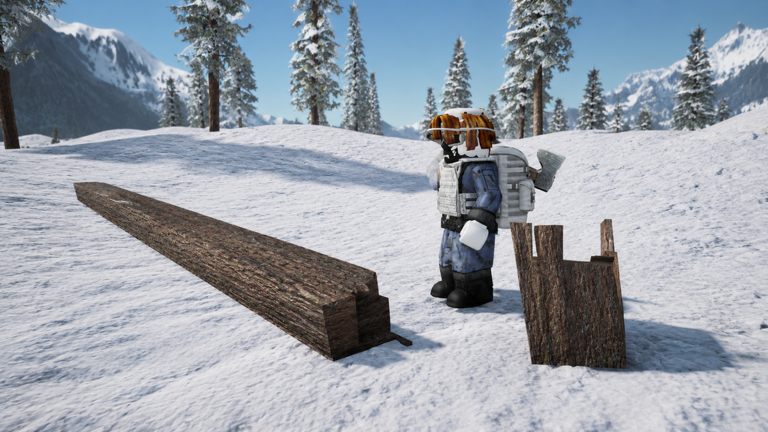
Survive 7 Days In Arctic is a Roblox survival experience from the verified group 10K Steps. Launched on May 30, 2026, the game has already passed 10 million visits and regularly hosts more than 14,600 players online, with 25 people per server. You are stranded in a frozen wilderness, and the only goal is to reach Day 7, when rescue arrives. Until then, every night is a race against hunger, freezing temperatures, and poor planning.
Before we begin, a quick note about codes. Survive 7 Days In Arctic does not have a code redemption system yet, so there are none to redeem. This page is monitored and will update the moment that changes. When new codes are released, the live list below will show them immediately. For now, your progress comes from surviving, not from entering strings.
The Core Systems That Decide Your Run
The community wiki breaks the game into three survival systems. Understanding them before you load in is the difference between a wasted run and a Day 7 rescue.
- Shelter and Fire Management: Warmth and fuel planning are the two mechanics that kill new players most often. A shelter needs to be placed before nightfall, and a fire pit needs fuel to keep your temperature meter from dropping.
- Fishing and Food Route: Fishing is the reliable food source. Catch fish from frozen lakes, cook them on your fire, and coordinate co-op resource runs so everyone stays fed without wasting daylight.
- Day 7 Rescue Plan: The final stretch requires stockpiled food, fuel, safe travel routes, and clear job assignments among your teammates.
Step-by-Step Starting Plan for the First Hour
Follow this sequence to secure your first night and set up a strong run:
- Sprint to the nearest tree cluster. Sprinting is your best early tool. It covers ground fast, and the community has a dedicated sprint guide for a reason. Do not stop to fight animals.
- Chop wood and gather stone. Wood builds your shelter frame and fuels the fire. Stone anchors a proper fire pit. Gather only what you need for a small hut.
- Place a compact shelter. A small 2x2 build works. Put it near trees and a lake so you can gather without wandering far from warmth.
- Build a fire pit inside the shelter. An open fire works, but a stone fire pit burns longer. Keep it placed so smoke does not block your vision.
- Craft a fishing rod and catch fish. Head to the nearest frozen lake. Cook the fish on your fire. Raw fish does nothing for hunger, so always cook in batches.
- Stockpile firewood and cooked fish. Each night consumes fuel. The more you have before sunset, the less time you spend outside freezing.
Strongest Early Upgrades and Priorities
Your first upgrades should target survival efficiency, not cosmetics. The wiki lists Shelter and Fire Management as the most important systems. Use stone for the fire pit first. It lasts longer and gives you more control over fuel. Keep a reserve stack of wood near the fire so you never have to run outside at night.
Once your shelter is secure, move to the Fishing and Food Route. A fishing rod and a cooking spot are your fastest path to steady hunger. In multiplayer, assign one player to fishing while others chop wood. The shared inventory means fewer wasted trips. A storage chest is worth crafting after you have food and heat, but only after those two basics are solved.
Practical Advice for Efficient Play
Here are proven tips from the community wiki and gameplay guides:
- Use sprint when traveling. The dedicated sprint guide shows how to outlast the cold by reaching shelter quickly.
- Do not wander after dusk. Night brings extreme cold and low visibility. Stay near your fire unless absolutely necessary.
- Build next to a lake. Frozen lakes are prime fishing spots. A shelter close to water means you can fish and return inside within seconds.
- Coordinate co-op jobs. In a full 25-player server, split into wood crews, fishing crews, and scouts. The wiki recommends safe travel routes and clear roles.
- Cook food in batches. Fish spoil, but cooked fish remain edible for a full day. Cook five or six at a time to cut down on trips.
Frequently Asked Questions
Q: Does Survive 7 Days In Arctic have a code redemption system?
A: Not yet. As of August 2026, the game does not have a code redemption feature, so no codes can be used. This page is monitored and will list any future codes in the live widget below as soon as they are released.
Q: What is the fastest way to survive the first night in Survive 7 Days In Arctic?
A: The community wiki recommends gathering wood immediately, placing a shelter before sunset, and lighting a fire inside. Sprint to a tree cluster, chop wood, build a small hut with a stone fire pit, and fish nearby so you have cooked food ready.
Q: How does co-op help in Survive 7 Days In Arctic?
A: With 25 players per server, teams can assign wood, fishing, and scouting jobs. The shared inventory reduces wasted trips, and the Day 7 Rescue Plan runs much smoother when everyone has a role and a safe travel route.
Conclusion
Survive 7 Days In Arctic is a punishing but fair survival title. Master the core systems first: shelter, fire, food, and the Day 7 rescue plan. Build small, stockpile fuel, and coordinate with your team. Check back here for updates, because this page is monitored and will show any future codes as soon as they drop. Until then, survive the cold and make it to Day 7.
Active Survive 7 Days In Arctic Codes (October 2026)
No verified active codes are available right now for Survive 7 Days In Arctic.