Is Symphony Orchestra Simulator Free to Play for Real?
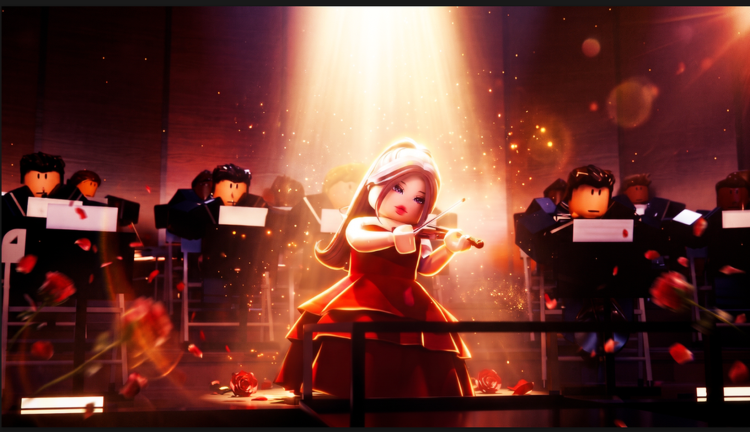
Symphony Orchestra Simulator launched on Roblox on 21 October 2026 from developer merpug01, and within a month it had already piled up more than 838k visits with roughly 3.8k players in servers at the time of writing. It is a Music and Rhythm experience built around one simple fantasy: take a seat in a grand concert hall, claim an instrument, and play classical music alongside 35 other people per server. The big question for anyone scrolling past it in November 2026 is whether that fantasy survives without a wallet. This review looks at the real gameplay loop, the progression feel, and how fair the monetization pressure actually is for a free account.
The Monetization Model at a Glance
The game is listed as free-to-play on the platform, which is the baseline expectation for Roblox music titles. What matters more is what sits behind the curtain. Symphony Orchestra Simulator is built around 16 instruments, including violin, cello, trumpet, flute, harp, and timpani, and the core loop is communal rather than competitive. Everyone keeps their seat song after song, the crowd votes on the next piece, and solos are handed out as spotlight moments. That structure matters for the money question, because it means progression is largely social rather than power-gated.
What Free Players Actually Get
From the outside looking in, the free experience covers the parts that make the game worth playing at all:
- Access to the concert hall and the full 35 player server experience.
- Choice from the 16 instrument roster, so you are never locked out of a seat you want.
- The full song vote system, with community-chosen pieces such as Ode to Joy and Swan Lake.
- Solo spotlight chances, since any player can be picked to take the spotlight.
- The audience voting layer, where the crowd responds with roses or tomatoes.
- Coin earning through normal play, which feeds back into solo-related unlocks.
That list is important because it shows the headline features are not walled off. The parts of Symphony Orchestra Simulator that people actually talk about, taking the spotlight, keeping your seat, swaying the crowd, are available from the first minute with no purchase.
The Grind Wall: How Coins Really Flow
Coins are earned during play and used to unlock solo entries, which means your access to spotlight moments is tied to time spent in servers rather than to a shop swipe. For a free player this is a comfortable arrangement, because the currency comes from the activity you would be doing anyway. The grind is soft rather than punishing, and there is no evidence of an aggressive daily-chore treadmill designed to funnel you toward a purchase. The real friction point is patience: solos are spotlight moments, and the crowd decides how they land, so you will sometimes wait through several songs before your turn arrives. That is pacing, not paywalling.
Cosmetic Versus Power Purchases
The fairness test for any free-to-play game is whether spending buys power or buys style. Symphony Orchestra Simulator leans hard toward style. Your performance in the hall comes from timing and audience reaction, not from an item shop upgrade. Instrument tiers exist as a way to compare seats for solo odds, visibility, and fun, and the community wiki has already started ranking them, but tiers read as a knowledge layer for players rather than a locked ladder of paid power. There is no indication that a paying player can buy a louder applause or a guaranteed spotlight over a free player.
Codes as Free-to-Play Support
This is where the November 2026 picture gets cautious. As of 22 November 2026, Symphony Orchestra Simulator has no confirmed codes, and this page verifies and lists codes the moment the developer releases them. There are currently none to redeem. The redemption flow is standard Roblox practice: when a promo gift goes live, it will be entered through the game interface and credited to your account. Codes in this genre typically expire quickly once a promotion ends or a patch lands, so the reason they disappear is usually a limited event window rather than anything sinister. When new codes are released, they will appear in the live list below. Until then, coins earned in play remain your main free progression fuel, which keeps the game honest.
How It Compares to Genre Norms
Plenty of Roblox music and rhythm games push hard on boosters, revives, and score multipliers. Symphony Orchestra Simulator instead builds its retention around seat continuity, audience voting, and shared spotlight moments. The wiki ecosystem around it, covering beginner guides, instrument tiers, solo tips, coin farming, and concert walkthroughs, suggests a player base that engages with the game as a system to learn rather than a store to shop. That is a healthier norm for a free player than the usual score-chasing shop loop.
Strengths and Weaknesses
Strengths: a genuinely communal loop, 16 instruments available without gating, audience voting that gives every player a role, and a coin economy earned through participation. The developer keeps a visible presence, with October launch notes and a November 2026 wiki refresh already tracked.
Weaknesses: the game is young, with only about a month of live updates behind it, so long-term content cadence is unproven. Solos depend on being picked, which can feel random, and third-party tools that promise shortcuts carry real account risk, so the safe path is always the in-game one.
Frequently Asked Questions
Q: Can a free player take a solo in Symphony Orchestra Simulator?
Yes. Any player can be picked for a spotlight solo, and the audience decides how it lands with roses or tomatoes. Solos are not a paid privilege.
Q: What are coins used for in Symphony Orchestra Simulator?
Coins are earned during normal play and spent on solo-related unlocks, so your progression comes from time in the concert hall rather than from purchases.
Q: How many instruments can I choose from as a new player?
The roster has 16 instruments, including violin, cello, trumpet, flute, harp, and timpani, and you keep your chosen seat from song to song.
The Verdict
Symphony Orchestra Simulator passes the free-to-play fairness check in November 2026. Its core attractions, the 16 instrument roster, the seat-keeping loop, the song votes, the rose and tomato crowd, and the spotlight solos, are all reachable without spending, and the coin economy rewards participation rather than purchases. It is best for players who want a relaxed, social rhythm experience where the reward is the performance itself, not a leaderboard number. It is less suited to anyone chasing fast, solo-driven progression, since spotlight moments are shared and paced. As a month-old title, its update quality is promising rather than proven, but the foundations are solid. If you like the idea of taking a seat in a virtual orchestra and playing alongside a few dozen strangers, this is an easy recommendation to try for free.
Active Symphony Orchestra Simulator Codes (November 2026)
No verified active codes are available right now for Symphony Orchestra Simulator.