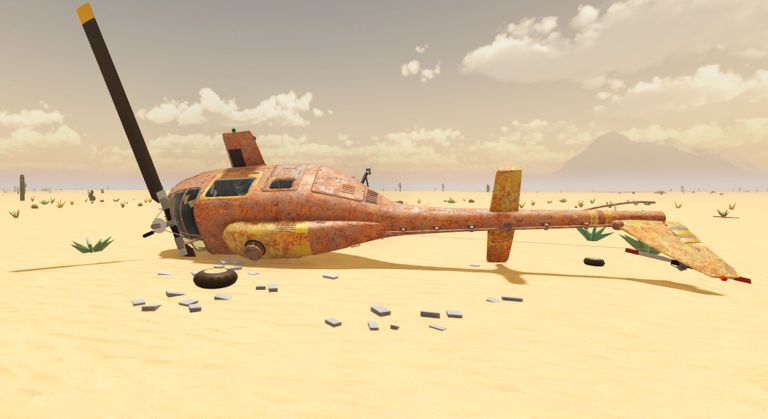
Why Optimization Matters in A Long Flight [SANDBOX]
A Long Flight turns every journey into a fight to stay airborne. You are handed an old plane, an endless desert, and a fuel gauge you genuinely cannot afford to ignore. Every trip puts your aircraft and supplies to the test, and the difference between a short hop and a long, profitable run usually comes down to small decisions: when you scavenge, when you repair, and how you spend Tokens before the next flight.
This guide is built for players who already survive their first landings and want to squeeze more distance, more upgrades, and more stability out of each session. Everything below comes from how A Long Flight actually handles fuel, repairs, Tokens, and cosmetics in its current sandbox build.
The Strongest Advanced Tips
Treat the fuel gauge as your primary routing tool
Fuel is not a background stat in A Long Flight, it is the whole loop. Because the desert is massive and the plane is deliberately rickety, your fuel reading should decide your destination before your curiosity does. The advanced habit is to read the gauge, pick the next reachable landing zone, and only then commit. Players who fly first and check fuel second consistently strand a repairable aircraft in open sand.
Repair before upgrade, always
Repairing a damaged airframe keeps future flights possible, while a cosmetic or performance upgrade does nothing if the plane never leaves the ground. In practice this means any Tokens you earn should first cover the repairs and gear that keep the engine running, then go toward upgrades that extend range. Upgrades purchased on top of a failing aircraft are the single most common wasted investment in the sandbox mode.
Scavenge with purpose, not compulsion
Supplies such as fuel and salvage are scattered across the abandoned landscape, but stopping at every wreck burns the very fuel you are collecting. The efficient pattern is to plot two or three high yield stops between landings and ignore the rest. A Long Flight rewards planned pickup loops far more than wandering collection.
Efficient Routes and Loadout Setups
Because the desert layout stays consistent between runs, good players build a repeatable route instead of improvising each time. A solid route has three parts:
- A launch segment: a short, low risk hop from your starting area to a reliable fuel or salvage cluster close to home.
- A mid route collection leg: two or three stops chosen for density, where you top up without draining the tank you just filled.
- A repair window: an arrival point where you can service the airframe before the next long stretch rather than mid desert.
Set up your shop priorities in the same order: repair capability first, fuel and gear second, cosmetics last. Tokens earned from milestones and visits can be redirected straight into this priority chain, and the plane skins available in the shop are best treated as a victory purchase once your route is already profitable. Spending Tokens on a fresh look for an aircraft that still strands you is the classic trap.
Hidden Mechanics Worth Exploiting
Cosmetics do not change reliability, but planning does
A Long Flight lets you customize your aircraft with different skins, and it is easy to mistake visual variety for progression. Skins change appearance only. Real progression comes from how comfortably you service the plane and manage fuel between stops, so keep cosmetic purchases at the end of your spending list.
The game is easiest before you commit to a flight
Preparation happens from the main interface, before any flight begins. That window is where you should check your Token balance, confirm your gear, and decide your route. Once you are airborne, options narrow quickly and every correction costs fuel.
Community updates move fast
The developers behind A Long Flight, VSC Games, rotate new content and reward drops regularly, and the official VSC Games Discord is where those announcements land first. Checking it before a session tells you whether new skins, Token bonuses, or balance changes are live, which can change your spending order for the day.
Practical Strategy Examples
Example one: the conservative opener. Launch short, collect from one nearby fuel cluster, land, repair fully, and only then attempt a longer leg. This route builds a stable Token economy and rarely strands the aircraft, making it ideal after a crash that cost you supplies.
Example two: the long haul run. Once repairs are covered, chain two collection legs into a single extended flight, using mid route stops purely to top up rather than to explore. This is where range upgrades finally pay for themselves, because you are converting extra fuel capacity directly into more ground covered per session.
FAQ
Q: What should I spend Tokens on first in A Long Flight [SANDBOX]?
Prioritize repairs and essential gear that keep the plane flying, then range or performance upgrades, and only then cosmetics such as plane skins. Upgrades do you no good if the aircraft cannot complete a flight.
Q: How does the fuel gauge change my routing decisions?
Read it before choosing a destination. The gauge determines which landing zones are actually reachable, so plan your next stop from the current reading instead of flying first and checking later.
Q: Where do I find new A Long Flight updates and rewards?
The official VSC Games Discord is the primary channel for announcements about new content, skins, and Token rewards, and keeping an eye on it before you play helps you time your spending.
Conclusion
A Long Flight [SANDBOX] is won in the preparation, not in the air. Read the fuel gauge first, repair before you upgrade, scavenge along planned routes instead of wandering, and treat cosmetics as the last thing you buy. Do that consistently and each run in the desert gets longer, cheaper, and far more rewarding.
Active A Long Flight [SANDBOX Codes (October 2026)
No verified active codes yet for A Long Flight [SANDBOX; 3 unverified codes are being tracked.