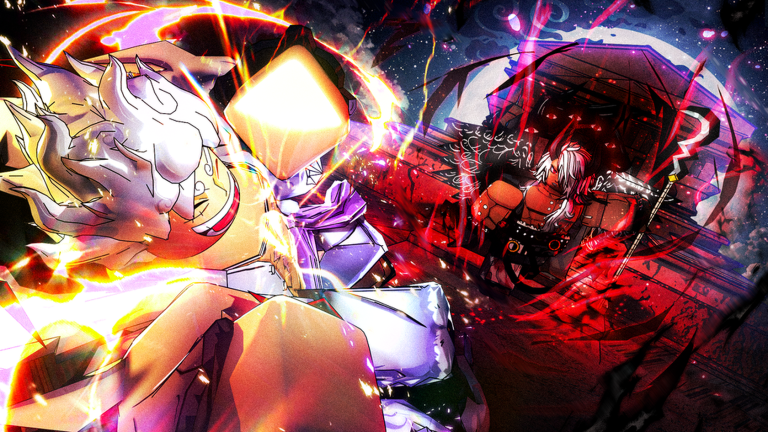
Anime RNG Defense is a Roblox tower defense game where you summon units based on popular anime franchises and defend your base from increasingly brutal enemies and bosses. Most players treat every roll as pure luck, but the truth is that the game runs on documented systems: an RNG pity timer, status effects like Burn, unit traits, and a tier list maintained by the developers on the official board. In this September 2026 guide we break down the hidden mechanics of Anime RNG Defense and show you how to actually use them instead of guessing.
The RNG Pity Timer Is Your Most Important Hidden System
The official board documents a Game Mechanics column that explains core systems, including RNG pity timers. A pity timer guarantees that after a set number of rolls without a Mythic, the game will hand you one. That means every roll you spend is not random in the way it feels: the closer you are to the pity threshold, the more value each additional roll has.
Why this matters: players who panic roll right after a fresh Mythic are burning Roll currency at the worst possible moment, while players who track how many rolls have passed since their last Mythic get maximum expected value. Treat Roll as a meter you fill, not a slot machine you pull.
How to use the pity timer in practice
- Keep a rough mental count of rolls since your last Mythic, and push hard when you believe you are close to the pity threshold.
- Bank your Roll currency between updates. The JJK update flooded demand for new Mythic units, and players who had rolls banked got first access.
- Do not spend your roll stockpile immediately after pulling a Mythic. The next pity cycle starts from zero, so that is the lowest value moment to roll.
Status Effects Stack, and Burn Makes Bleed Worse
The Game Mechanics card also documents status effects, with Burn being the clearest example. Mythic Cleave/Dismantle applies Bleed Stacks and delivers high single-target DPS, making it one of the strongest early-wave picks. Because status effects interact rather than overwrite each other, Burn applied alongside Bleed stacks extra damage over time on the same target.
This is a lesser-known interaction: most players place their highest DPS unit and forget about status overlap. Pairing a Burn-applying unit with Cleave/Dismantle at the same chokepoint multiplies damage during long boss health bars, where damage over time matters most.
How to build around status overlap
- Place Mythic Cleave/Dismantle where enemies linger longest, since its Bleed Stacks only pay off if a target stays alive long enough to bleed.
- Add a Burn source on the same lane so both effects tick on the boss.
- Check traits before locking a loadout. Traits like Rapid, Sniper, Swift, Bleed, and Tanky change how a unit behaves, and a trait that boosts attack speed feeds Bleed Stacks faster.
Shadow Summoner Changes Lane Control
Shadow Summoner is a Legendary unit that spawns allied units. That makes it a lane-control tool rather than a pure damage dealer: the summons absorb hits and hold enemies inside your damage zone while Cleave/Dismantle keeps stacking Bleed. In a game where defense placement is one of the core decisions on the official board, a summoner that manufactures its own blockers is a mechanic many players underuse.
Use it at forks or wide lanes where summoned allies can spread out, and pair it with your Burn and Bleed sources so everything the summons hold still takes layered damage.
Common Mistakes That Sabotage Smart Players
- Ignoring the Trello. The official board is the game's database for unit stats, drop rates, and hidden mechanics. Guessing instead of reading it wastes rolls.
- Rolling with no pity awareness. Spending your entire Roll balance without tracking your last Mythic throws away the pity timer's value.
- Stacking raw DPS only. Units with the same role do not multiply each other. Bleed, Burn, and summons fill different jobs and should share a lane.
- Skipping roll milestones. Roll totals of 10k, 25k, 50k, and 100k unlock bonus rewards, so long-term rolling has compounding payoffs beyond any single pull.
Frequently Asked Questions
Q: How does the RNG pity timer actually work in Anime RNG Defense?
The official board's Game Mechanics section explains that the pity timer tracks how many rolls you have made since your last Mythic, then guarantees one once the threshold is reached. Every roll in that window brings you closer to the guarantee, so roll steadily toward the threshold instead of stopping early.
Q: Why should Burn be combined with Mythic Cleave/Dismantle?
Cleave/Dismantle builds Bleed Stacks for high single-target DPS. Because status effects are handled as separate systems, Burn ticks alongside Bleed instead of replacing it, adding extra damage over time on the same target. This is especially valuable on boss waves where enemies survive long enough for both effects to run.
Q: Is Shadow Summoner worth a slot if it is only Legendary?
Yes. Shadow Summoner spawns allied units, which act as extra blockers that keep enemies inside your damage lanes. Those held enemies then take Bleed and Burn from your DPS units, so its value comes from control rather than raw damage numbers.
Conclusion
Anime RNG Defense rewards players who treat its systems as systems. Track the RNG pity timer so every Roll counts, layer Burn with Bleed Stacks through Mythic Cleave/Dismantle, and use Shadow Summoner's summons to hold enemies inside that damage. The official board documents all of it, and the players who read it before they roll are the ones climbing the tier list.
Active Anime RNG Defense Codes (October 2026)
No verified active codes yet for Anime RNG Defense; 30 unverified codes are being tracked.