The High Stakes of Every Flip
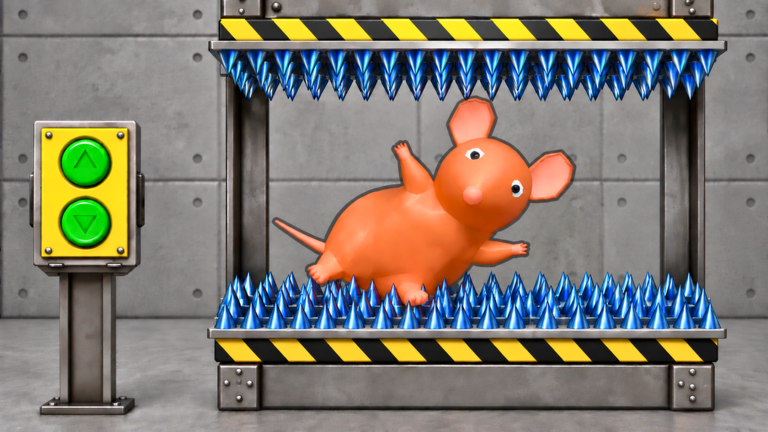
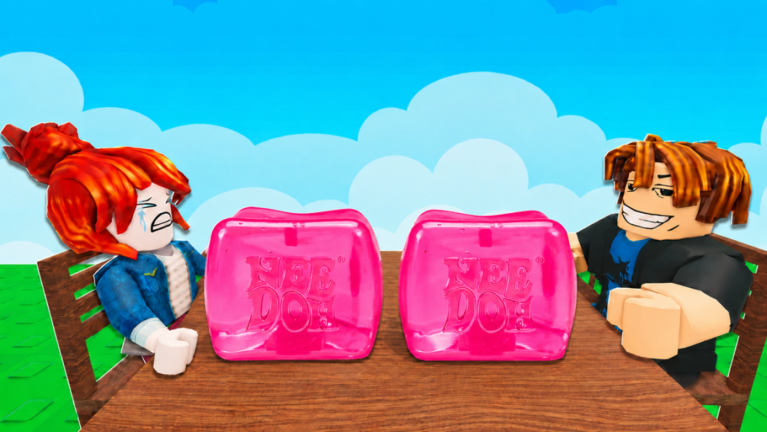
ASMR Matching! sounds like a casual tile flipper, but the description tells you exactly what is at stake: "Test your memory with relaxing ASMR sounds! Go head-to-head and match your tiles to win! ✨ BE CAREFUL! One wrong move = GAME OVER!" That single rule turns every flip into a high pressure decision. You cannot afford to wander around the grid hoping for a lucky pair. You need a deliberate scanning route, a fixed pattern that lets you gather information with minimal risk. In this August 2026 guide, we compare the two best scanning routes for ASMR Matching!: the sound-first route and the visual-first route. We also explain when to use each one and how to steal information from your opponent during head-to-head matches.
Route 1: The Sound-First Scanning Route
The sound-first route uses the game's ASMR audio as your primary memory trigger. Every tile flip produces an audio cue, and matching tiles tend to share a similar tone, texture, or rhythm. Put on headphones and clear your ears of distractions. Start at a corner, usually the top-left of the grid, and work your way across each row in a slow S-curve. The key is to never flip a second tile until you have fully processed the first tile's sound. Ask yourself: is it a soft whisper, a tap, a crinkle, or a pop? How long does it last?
As you build a mental library of sounds, you can start grouping tiles before you ever see their icons. When you flip a tile that sounds like one from your memory, do not immediately guess. Flip the remembered tile first if you can, or mark its position and confirm on the next safe turn. This route is ideal for quiet sessions where you can genuinely rely on audio. Because ASMR Matching! ends the run on a single wrong move, the slower pace of sound-first scanning is a feature, not a bug. It forces you to stop rushing and listen.
Route 2: The Visual-First Scanning Route
The visual-first route ignores audio and builds a spatial map of icons, colors, and shapes. This is the safer option in noisy rooms, and it is also easier for players who do not trust their audio memory. Instead of flipping tiles immediately, spend the first few seconds observing the board without touching anything. Use the grid as your coordinate system, row and column numbers, and try to memorize clusters of identical icons.
When you do flip tiles, use a fixed pattern such as left-to-right, top-to-bottom. Compare each flipped icon to your mental map and immediately call out any match. Since the game is head-to-head, visual memory is often faster than audio memory when the icons are visually distinct. You can also create natural groups, like all animal tiles, all food tiles, or all geometric shapes. The visual-first route works well when you are playing in a café, watching a stream, or dealing with ASMR sounds that all blend together.
When to Switch Between Routes
The best ASMR Matching! players do not lock themselves into one route. In the opening seconds, use the sound-first route to discover one or two pairs safely. The board is fresh, and your audio memory has no interference yet. After those first pairs, switch to the visual-first route to track the remaining tiles. Your audio memory will start to blur after six or eight sounds, but your visual map can handle the full grid. In longer matches, treat the two routes as complementary: sound for the initial sweep, vision for the clean-up.
If your opponent is aggressive and flips tiles very quickly, switch to pure visual-first mode. Every tile your opponent reveals is free information. Watch their grid position and icon, and add it to your mental map without risking your own run. In a head-to-head match, this effectively doubles your memory pool. If you only rely on your own flips, you are playing at half speed.
Advanced Head-to-Head Tactics
Once you have a reliable scanning route, add these advanced tricks to dominate matches. First, use the game-over rule against your opponent. If they have made several near-miss flips, they will probably play scared. Slow down your own flips and force them to wait. The pressure of a silent board can cause them to make a reckless guess. Second, practice the "safe confirm" method. If you think you know a pair, flip the tile you are less sure about first. If you are wrong, the run is over, so this only works when your confidence is high. If your confidence is medium, use your scanning route to gather one more piece of evidence before committing.
Third, develop a rhythm. Some players flip tiles in quick succession to create a wall of sound, making it hard for a sound-first opponent to track individual cues. If you notice the opponent hesitating, speed up your flips and break their audio map. Fourth, learn to read your opponent's physical tells. When they hesitate before a tile, they probably do not remember its pair. When they flip quickly, they already know the match. Use that information to adjust your own route.
Finally, always keep your scanner moving. Stand still for too long and you accomplish nothing. But move too fast and you will eventually make the one wrong move that ends the game. A disciplined route is the difference between a lucky streak and a consistent win rate in ASMR Matching!.
FAQ
Q: What is the best scanning route in ASMR Matching! for beginners?
A: Beginners should start with the visual-first route because it does not depend on audio equipment or a quiet room. Use the left-to-right, top-to-bottom sweep to build a mental grid, and only switch to sound-first once you have identified two or three pairs.
Q: Can the sound-first route really help in ASMR Matching!?
A: Yes, if you play with headphones and in a quiet environment. The game uses distinct ASMR audio cues for each tile, and matching tiles often share tonal patterns. The sound-first route is slower but safer, and it perfectly suits the one wrong move equals game over rule.
Q: How do I recover after a near-miss flip in ASMR Matching!?
A: You do not recover from a wrong flip because the run ends immediately. Before a risky flip, switch to visual-first scanning and confirm the tile's pair location from memory. Use your opponent's revealed tiles as free information to build confidence before committing.
Conclusion
ASMR Matching! is a memory duel with no margin for error. The sound-first scanning route gives you an audio edge in quiet settings, while the visual-first route keeps you stable in chaotic ones. The best players blend both, use the opponent's flips as free data, and stay disciplined under pressure. Pick one route for your next match, practice the safe confirm, and you will survive far more rounds. Good luck, and remember: one wrong move is all it takes, so make every flip count.
Active ASMR Matching! Codes (October 2026)
No verified active codes are available right now for ASMR Matching!.