Why Route Choice Decides Your MONOCHROME Run
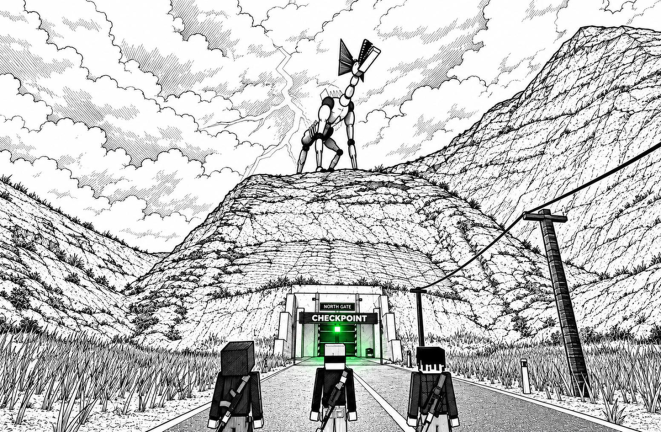
MONOCHROME, the grayscale horror escape room from developer @paramodal, launched in August 2026 and has since passed 31 million visits. The objective never changes: pry the planks off the doorway marked DO NOT ENTER, descend into a repeating corridor maze, pull four keys out of dresser drawers, find the four-digit elevator code printed on a slip of paper inside the level, and reach the elevator before the creature from the _Boisvert analog horror series catches you.
What separates a clean escape from a five minute restart is not raw speed, it is which route you commit to. This guide compares three proven route types, explains when each one works best, and walks through a concrete example run so you can pick the right approach before you even load in.
The Three Strongest Route Types Compared
Route 1: The Drawer Sweep
The drawer sweep is the fastest option and the one most full walkthrough runs use. Keys only ever appear inside dresser drawers in the corridor network, never on floors, shelves, or tables. You walk up to each dresser, press E to open the drawer, and watch for a Take Key prompt. The sweep strategy is to check every drawer in one corridor branch before turning back, rather than doubling back after each key.
When it works: Best on a fresh server where you know the elevator code slip has not been read yet by another player route, and best when you sprint between dresser clusters. Remember that Shift sprint burns stamina, so use it for open stretches and drop to a walk once you are pressing E on drawers.
Route 2: The Closet Stealth Route
The closet route trades time for survival. The monster does not sprint and does not announce itself, but it dims the lights as it nears, and that light drop is your entire warning system. On this route you move corridor by corridor, and at the first sign of dimming you press E on a nearby closet, climb in, and wait until the lights return.
When it works: This is the route to pick when you are on your last life, when the HUD lives counter is low, or when you are playing a build without the Radar gamepass that the tutorial slides describe. It is slower but it almost never ends in a reset to the start.
Route 3: The Landmark Mapping Route
The corridor halls repeat and look almost identical, which is the single biggest reason players get lost. The landmark route fixes this by having you track which closets you pass as you walk, treating them as numbered markers rather than scenery.
When it works: Ideal for groups splitting up in a party, and essential after an update, since code placements and key positions can shift between patches. If you have not played since the September 2026 patch cycle, map first and sweep second.
A Concrete Example Run
Here is how the routes combine into one efficient session:
- From the party menu, press Enter the House, then read the tutorial slides covering the monster, the escape objective, and the Radar gamepass.
- Stand at the boarded DO NOT ENTER doorway and hold E to strip the planks, then head down the stairs.
- Run the drawer sweep through your first corridor branch, opening every dresser with E and collecting each Take Key prompt without re-checking empty drawers.
- When the lights dip, switch instantly to closet stealth: press E, hide, wait. The creature patrols but never sprints, so a single closet wait is usually enough.
- Locate the paper slip on a pale block inside the maze and read your elevator code before you reach the keypad, not after.
- With all four keys in hand, drop the sweep entirely and run straight to the elevator with no detours.
Game Specific Tricks That Support Any Route
- E is your universal interaction: it pries boards, opens drawers, opens closets, and opens doors. Never hunt for a separate keybind mid-run.
- Sprint is a budget, not a habit: stamina drain means saving Shift for the final elevator sprint after key four.
- Light is a trade: the flashlight helps you spot the paper slip in dark corners, but it works against stealth, so carry it only while searching and stow it while moving.
- Empty drawers are dead ends: re-checking them is the most common time sink in beginner runs.
- Check the Roblox page before a session: updates can move keys and code positions, which invalidates a memorized route.
FAQ
Q: Where exactly do keys spawn in MONOCHROME?
Keys only appear inside dresser drawers in the corridor network. Walk to a dresser, press E to open the drawer, and take the key from the Take Key prompt. They never spawn on floors, shelves, or tables, so ignore any spot that is not a drawer.
Q: How do I know the monster is close?
The creature dims the lights when it is near. That light drop is your only warning, because it never sprints or makes an announcement. The moment the corridor darkens, press E on the nearest closet and wait inside until the lighting returns to normal.
Q: Which route should a brand new player use first?
Start with the closet stealth route paired with landmark mapping. Check drawers as you move, but treat hiding as the priority while you learn how the repeating halls connect. Once the corridor layout feels familiar, swap to the drawer sweep to cut your escape time down.
Conclusion
MONOCHROME rewards planning more than reflexes. The drawer sweep wins when you need speed and have stamina to spend, the closet stealth route wins when survival matters more than the clock, and the landmark mapping route wins whenever patches shuffle the maze. Run each one a few times, note which closets you passed, read the elevator code slip early, and always finish with a no detour dash to the exit. Pick your route before you spawn, and the corridor maze stops being scary and starts being routine.
Active MONOCHROME Codes (October 2026)
No verified active codes are available right now for MONOCHROME.