Why Hidden Mechanics Decide Your Cash Flow
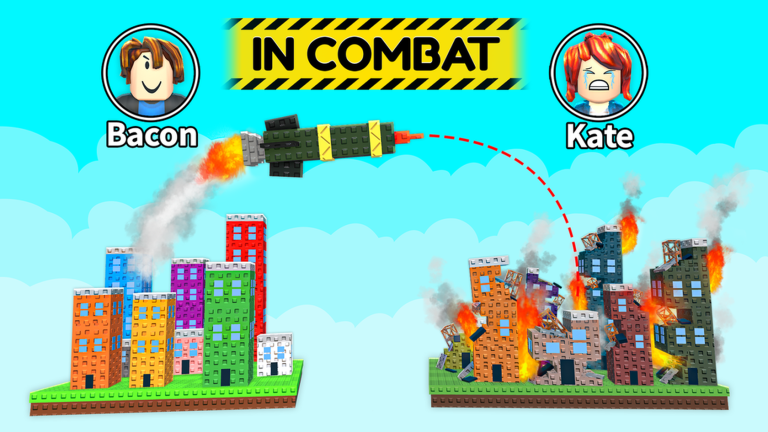
Missiles vs Cities, the Roblox Simulation and Tycoon PvP experience from developer veedio gaems, runs on a deceptively simple loop: build a city, launch missiles, destroy rival buildings, collect cash. The players who pull ahead in September 2026 are not the ones firing the most ordnance. They are the ones who understand the quieter systems sitting underneath that loop, specifically missile range, launch upgrades, base positioning, and the yield value of individual enemy targets.
The unofficial community wiki snapshot from July 9, 2026 recorded 9,558 players and just under 1.5 million visits, and the game still held roughly 3.09K concurrent players in public listings. With that many active rivals on 8-player servers, small mechanical edges compound fast. This guide covers the lesser-known interactions, why they matter, exactly how to exploit them, and the mistakes that quietly stall progression.
The Hidden Systems Most Players Overlook
Missile Range, Launch Upgrades, and Base Positioning
Missile range is one of the least discussed stats in the game, yet community research treats it as a core efficiency lever. Range mechanics cover three linked pieces: how far targeting distance extends, how launch upgrades push that distance further, and where your base sits relative to enemy structures. Together they determine whether your first salvo lands on a high-value cash building or wastes reloads on an empty edge structure.
Range also interacts directly with PvP farming efficiency. A city placed deep in a corner spends travel time reaching anything worth hitting, which means fewer cycles per minute and slower cash accumulation. A city positioned with clear approach lanes lets S-Tier missiles clear buildings faster because less of each attack window is spent crossing empty ground.
Target Yield: Not All Buildings Pay Equally
The second hidden system is target yield. Cash farming is most effective when you deliberately strike high-value enemy buildings rather than firing randomly. High-yield structures are the ones carrying visual upgrades, such as decorated cash facilities and upgraded city centers. Untouched low-tier buildings pay out far less for the same missile, which means firing at them is a net loss of reload time.
The tier list reinforces this. S-Tier missiles hold the highest destruction-to-cost ratio and the fastest building clearing speed, but that advantage only pays off if you point them at targets worth the cost. A-Tier missiles have balanced cost and reload speed and work as a consistent farming option when you are still reading the field. B-Tier is cheap starter ordnance, and C-Tier is a low-impact placeholder that should never absorb serious investment.
Why These Interactions Matter Economically
The economy in Missiles vs Cities is a reinvestment loop, not a scoreboard. Cash destroyed from buildings is only half of the equation; the other half is where that cash goes. Prioritization should shift from city growth in the early game to high-damage missile loadouts in the mid-game, then reinvest rewards into city infrastructure so income stays stable for the long term.
This is where range and yield interact. Better range means more buildings reachable per minute. Better target selection means each of those buildings pays maximum cash. Stronger missiles mean each cycle finishes faster. Chain all three and the same five minutes of play produces dramatically more cash than random firing ever will.
How to Use These Mechanics Step by Step
- Early game, build income before over-attacking: Focus on city growth, cash-generating structures, and the beginner path so income exists before you spend heavily on ordnance. Use B-Tier starter missiles to learn target selection and attack timing against unguarded low-tier buildings.
- Mid-game, shift priority to missile loadouts: Unlock A-Tier as your workhorse and begin reading enemy buildings for wealth signals. Strike decorated cash facilities and upgraded city centers first, and skip structures that show no upgrades until nothing better is in range.
- Mid-game, buy range and launch upgrades: Treat launch upgrades as income upgrades. Every extra unit of targeting distance is another high-yield target available without repositioning, which directly raises cash per minute.
- Reposition your base deliberately: Place your city so approach lanes to rival structures stay short. Tight positioning shortens travel time and keeps S-Tier clearing speed working for you instead of against you.
- Late game, run S-Tier as the primary tool: S-Tier is the destruction engine for clearing buildings at the highest speed. Keep A-Tier as a backup for flexible farming, and reinvest a meaningful share of rewards into city infrastructure so the income loop never breaks.
- Watch for balance shifts: Community guidance recommends checking the official veedio gaems community page for hidden stats or balance updates, since a patch can move a missile between tiers and invalidate yesterday's loadout.
Common Mistakes That Stall Progression
- Firing randomly instead of choosing targets: Random volleys burn reloads on low-yield structures and are the single fastest way to waste a farming cycle.
- Heavy spending on C-Tier: C-Tier requires minimal investment but returns minimal damage. Money routed there delays the jump to A-Tier and then S-Tier.
- Ignoring range while stacking damage: High damage means nothing if the target is out of reach. Launch upgrades and positioning are force multipliers, not optional extras.
- Spending every reward immediately: Draining cash into upgrades with zero reinvestment into city infrastructure starves the income side of the loop and causes a mid-game stall.
- Skipping community status checks: Public stats, player counts, and balance notes move quickly. Decisions based on stale information lead to outdated loadouts.
FAQ
Q: Does missile range actually change cash farming results in Missiles vs Cities?
Yes. Range, launch upgrades, and base positioning decide which enemy structures you can reach each cycle. Shorter approach distances mean more attacks per minute against high-yield buildings, which is why community research treats range as a farming efficiency stat rather than a cosmetic one.
Q: Which missile tier should carry my mid-game loadout?
A-Tier is the recommended mid-game workhorse because of its balanced cost and reload speed. Hold B-Tier only as starter ordnance, avoid investing in C-Tier, and shift your priority to S-Tier once you can afford its high damage and fast building clearing speed.
Q: How do I know which enemy building is worth attacking first?
Look for visual upgrade markers such as decorated cash facilities and upgraded city centers. Those are the high-value targets. Structures with no upgrades pay far less for the same missile, so clear the upgraded ones before touching anything else in range.
Conclusion
Efficient grinding in Missiles vs Cities comes down to reading systems that most players never examine. Missile range and launch upgrades set your reach, base positioning sets your travel time, target yield sets your payout per volley, and reinvestment into city infrastructure keeps the whole loop alive. Start with income, shift to high-damage loadouts in the mid-game, point S-Tier ordnance at upgraded structures only, and keep checking the veedio gaems community page for balance shifts. Do that and the difference between a stalled base and a dominant metropolis is simply how well you played the systems underneath the explosions.
Active Missiles vs Cities Codes (October 2026)
No verified active codes are available right now for Missiles vs Cities.