Why Your Play Style Decides Which Ending You Get
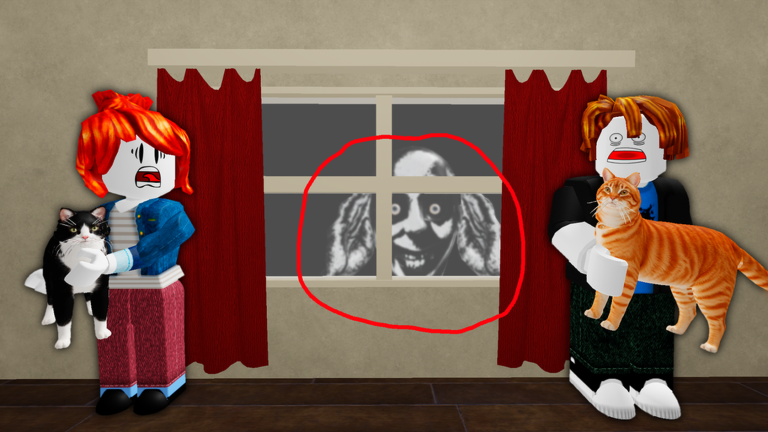
7 Days Cat-Sitting is a Roblox survival experience from HELP ME PLEASE studios where you look after Whiskers for seven days. Each day repeats the same care chores, and the house keeps throwing strange events at you that you have to answer before bed. The fan community wiki puts the warning bluntly: feed Whiskers, lock the door, and do not trust the hallway. On 4 October 2026 the Roblox record showed 15,118,087 visits and 61,438 favorites, and the place was marked updated on 2 October 2026 with no public changelog. Servers hold 16 players, which is exactly why solo runs and squad runs end up feeling like different games.
Where Solo and Group Approaches Actually Split
The daily loop never changes: fill Whiskers' bowl, clean the litter box, finish laser play, collect the mail, shut and lock the front door, eat a microwave dinner, and close the fridge. In a solo run, that entire checklist runs through one player's memory, so the failure point is almost always a merged door and appliance check. You finish the microwave dinner, turn away, and the fridge stays open, or you lock the front door and then forget to check it again after a house change event.
In a group run, the chore loop splits across bodies, which removes merge errors but creates a new problem: coordination. With up to 15 other people in the server, nobody is sure who owns the litter box or whether someone already answered the hallway event. Solo play is a memory game, group play is an ownership game.
Best Strategies When Playing Alone
- Fix the chore order into a physical path. Bowl, litter box, laser play, mail, front door, microwave dinner, fridge. Walk that route in the same direction every single day so the muscle memory holds when a strange event interrupts you mid-run.
- Do door and appliance checks as a separate pass. The wiki flags door and appliance checks as easy to merge. After you sleep-proof the night, walk back and confirm the front door is shut and locked and the fridge is closed before you head for bed.
- Answer the house event before you touch the chores again. The hallway, the windows, the toilet, and HIDE each need their matching response. A solo player who tries to squeeze in one more chore while the house is mid-event is the classic bad ending setup.
- Hunt ending badges one at a time. Because the chore loop is identical for all seven days, a solo run is the cleanest way to isolate a single variable and trigger one specific ending, then reset.
How to Adapt When You Are in a Full Server
Group play changes the risk profile. Announce your route out loud in chat when you start the loop so the server knows Whiskers' bowl is taken. Then treat the strange events as a call-and-response: one player names the event, for example the hallway, and one player gives the response. The worst squad outcome is two people both answering the same event, or nobody answering because everyone assumed someone else did.
Second adaptation: designate a door watcher. With 16-player servers, the front door gets opened and closed by people rotating through the house. A single player whose only job is to confirm shut and locked status before anyone sleeps removes the most common group wipe.
Role Suggestions for Team Play
- Whiskers handler. Owns the bowl, litter box, and laser play every day, so pet chores never get doubled or skipped.
- Household runner. Handles mail, microwave dinner, and fridge close, keeping the appliance pass in one pair of hands.
- Event responder. Watches for hallway, window, toilet, and HIDE prompts and calls the correct answer before the group sleeps.
- Door and ending scout. Verifies the front door lock and, once the routine is stable, experiments toward the ending badges the group has not unlocked yet.
When to Switch From Squad to Solo
Switch to solo when you are chasing a specific ending badge and need every variable under your own control. The recorded entry system on the community wiki, with 54 recorded entries, makes it easy to see which endings you still owe. Switch back to a squad when the group is trying to clear all seven nights consistently, because a shared chore loop covers more ground and covers the door check that solo players tend to merge.
Q: Which part of the daily loop causes the most bad endings in 7 Days Cat-Sitting?
Skipping a step. The community breakdown is explicit that skipping one of those steps is how most of the bad endings start, and the step most often skipped is the front door lock or the fridge close.
Q: Does the number of players in a server change how I should play?
Yes. Servers hold 16 players, so in a busy server the risk shifts from forgetting chores to duplicate or missing event answers, while a quiet solo server puts the full burden on your own route memory.
Q: How do players track progress toward the reported endings?
Through ending badges, which you can hunt one at a time, plus the community wiki's ending table and its 54 recorded entries, last updated 4 October 2026.
Conclusion
Solo play in 7 Days Cat-Sitting is about protecting the chore loop from merge errors, while squad play is about naming owners for each task and each house event. Run solo when you are isolating one ending badge, run grouped when you want a clean seven-night clear, and keep the front door locked either way. The hallway is still not to be trusted.
Active 7 Days Cat-Sitting Codes (October 2026)
No verified active codes are available right now for 7 Days Cat-Sitting.